

Have you ever opened a toy or an electronic gadget and wondered what holds the batteries in place? That small, simple part plays a big role in making your device work smoothly.
Knowing what this battery holder is called can help you fix your toys or find the right replacement parts faster. You’ll discover exactly what this essential piece is, why it matters, and how understanding it can save you time and frustration.
Keep reading—you’ll be surprised how something so small can make such a difference!

Credit: www.amazon.com
Common Names For Battery Holders
Battery holders have various names depending on their use. These names help identify the type or purpose of the holder. Knowing these terms makes it easier to find the right part for toys or electronics. The names often describe the size, shape, or function of the holder.
Terms Used In Toys
- Battery Compartment – The most common term in toy manuals.
- Battery Case – Refers to the plastic part holding batteries inside toys.
- Battery Slot – Indicates the space where batteries fit.
- Battery Box – Used when the holder is a separate removable unit.
- Battery Tray – Sometimes used for holders that slide out for easy battery replacement.
Names In Electronics
- Battery Holder – The standard term in electronic component catalogs.
- Battery Clip – Used for holders with metal clips securing batteries.
- Battery Socket – Describes holders designed for easy battery insertion and removal.
- Battery Connector – Focuses on the electrical connection aspect of the holder.
- Battery Mount – Used when the holder is fixed onto a circuit board.
Credit: www.walmart.ca
Types Of Battery Holders
Battery holders come in different designs to fit various toys and electronics. Each type serves a specific purpose, making it easy to install and replace batteries. Choosing the right holder depends on the device’s size and power needs.
Snap-in Holders
Snap-in holders secure batteries by snapping them into place. They are common in small toys and gadgets. These holders provide a firm grip and easy battery replacement. Users can quickly change batteries without tools.
Slide-in Holders
Slide-in holders let batteries slide into a compartment. They keep batteries tight and aligned. These holders are popular in remote controls and handheld devices. Their design ensures stable power connection during use.
Wire Leads Holders
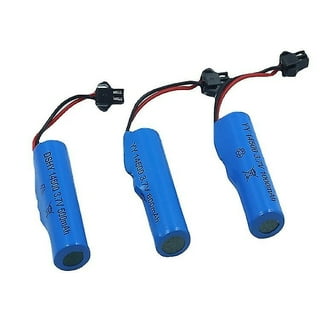
Wire leads holders use wires to connect batteries to the device. They are flexible and suit custom electronic projects. These holders often come with leads for soldering or plugging into circuits. They work well for DIY and repair tasks.
Materials And Design Features
The materials and design features of a battery holder play a crucial role in how well it functions in toys or electronics. These components must provide a secure fit for the batteries while allowing easy replacement. The choice between plastic and metal parts, along with the type of contact mechanism, directly affects durability, safety, and performance.
Plastic Vs Metal Components
Plastic is the most common material used for the body of battery holders. It is lightweight, inexpensive, and can be molded into various shapes to fit different battery sizes. You might notice that many toy battery compartments are made of plastic because it’s safe and reduces the overall weight of the device.
Metal parts, on the other hand, are usually found in the contact areas where they touch the battery terminals. Metals like nickel-plated steel or copper alloys are popular because they conduct electricity well and resist corrosion. Have you ever had a toy stop working because of a rusty battery contact? That’s a sign the metal choice or coating wasn’t up to the task.
Contact Mechanisms
The contact mechanism inside a battery holder ensures a steady electrical connection. Spring contacts are very common; they push against the battery terminals to keep them tightly in place. This design helps maintain contact even if the toy or gadget is shaken or dropped.
Another type uses flat metal tabs that the battery presses against. While simpler, these can sometimes lose tension over time. Some holders combine both methods to balance reliability and cost. Think about your own devices—have you noticed how some batteries slip out easily while others stay firmly put? That difference often comes down to the contact design.

Credit: www.amazon.com
Choosing The Right Battery Holder
Choosing the right battery holder is crucial for the performance and safety of your toys or electronic devices. The battery holder isn’t just a simple casing; it ensures secure connections and proper fit for the batteries, affecting how well your device works. Selecting the correct type helps avoid common issues like poor contact, short circuits, or battery damage.
Size And Compatibility
The battery holder must match the size of the battery you plan to use. Are you working with AA, AAA, coin cells, or a special battery type? Using a holder that fits perfectly keeps the battery steady and maintains a good electrical connection.
Check the voltage and current requirements of your device before choosing a holder. Some holders are designed for multiple batteries in series or parallel arrangements, which impacts power output. Ensuring compatibility avoids performance drops and potential damage to your electronics.
Durability And Safety
Battery holders endure constant handling and environmental exposure, so durability matters. Look for holders made from high-quality plastic or metal that resist wear and heat. This reduces the risk of cracks or deformation over time.
Safety features like insulation and secure locking mechanisms prevent accidental shorts and battery falls. Think about where your device will be used—is it prone to drops or moisture? Choosing a holder with added protection can save you from costly repairs or hazards.
Frequently Asked Questions
What Is A Battery Holder In Toys?
A battery holder in toys is a small compartment that safely holds batteries in place. It connects batteries to the toy’s electronic circuit, providing power to operate the toy efficiently and securely.
Why Do Electronics Use Battery Holders?
Electronics use battery holders to securely house batteries while ensuring easy replacement. They protect the batteries from damage and maintain reliable electrical connections for device functionality.
Are Battery Holders Different For Various Battery Types?
Yes, battery holders vary based on battery size and type, such as AA, AAA, or button cells. Each holder is designed to fit specific batteries, ensuring proper contact and safety.
Can Battery Holders Improve Toy Safety?
Battery holders improve toy safety by preventing battery leakage and short circuits. They keep batteries firmly in place, reducing risks of damage and accidental ingestion in children.
Conclusion
Battery holders are crucial in toys and electronics. They secure batteries safely. This component ensures a device works well. Different types exist for various needs. Some holders are built-in. Others are removable. Knowing the right type helps maintain your device.
Always check battery holders for damage. Replace if needed. This ensures long-lasting performance. Understanding these basics aids in better device care. It’s simple but important. With this knowledge, your devices will stay in good shape. Keep exploring to learn more about your gadgets.