
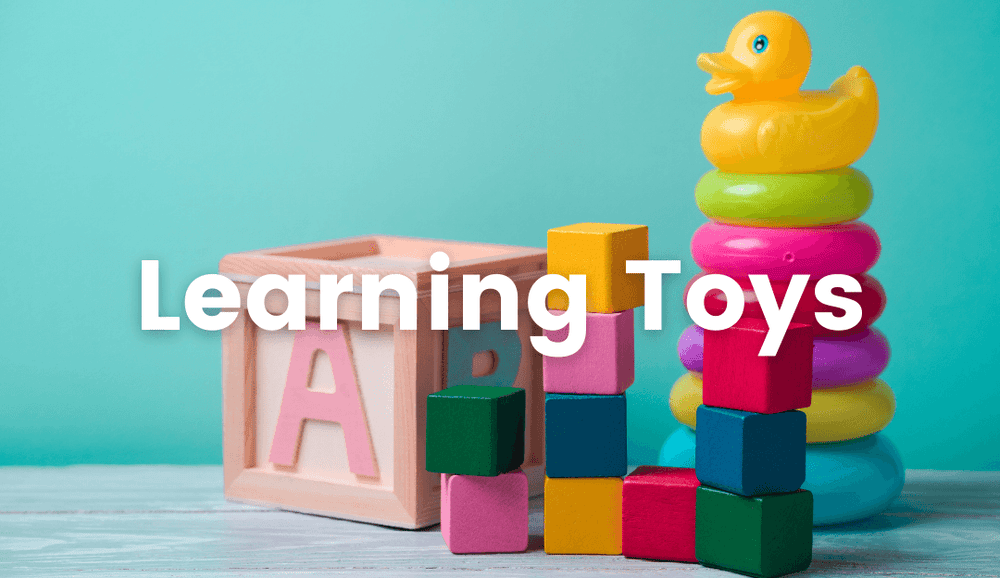
Imagine watching your child play with a toy. It’s not just about fun; it’s about discovery, learning, and growth.
Educational toys hold a unique power. They turn playtime into a valuable learning experience, sparking curiosity and enhancing development. As a parent, you want the best for your child, and choosing the right toys can make a significant difference. Have you ever wondered how these toys can shape your child’s future?
By understanding their importance, you can unlock a world of possibilities. Dive into this article to uncover how educational toys can be a game-changer in your child’s life.
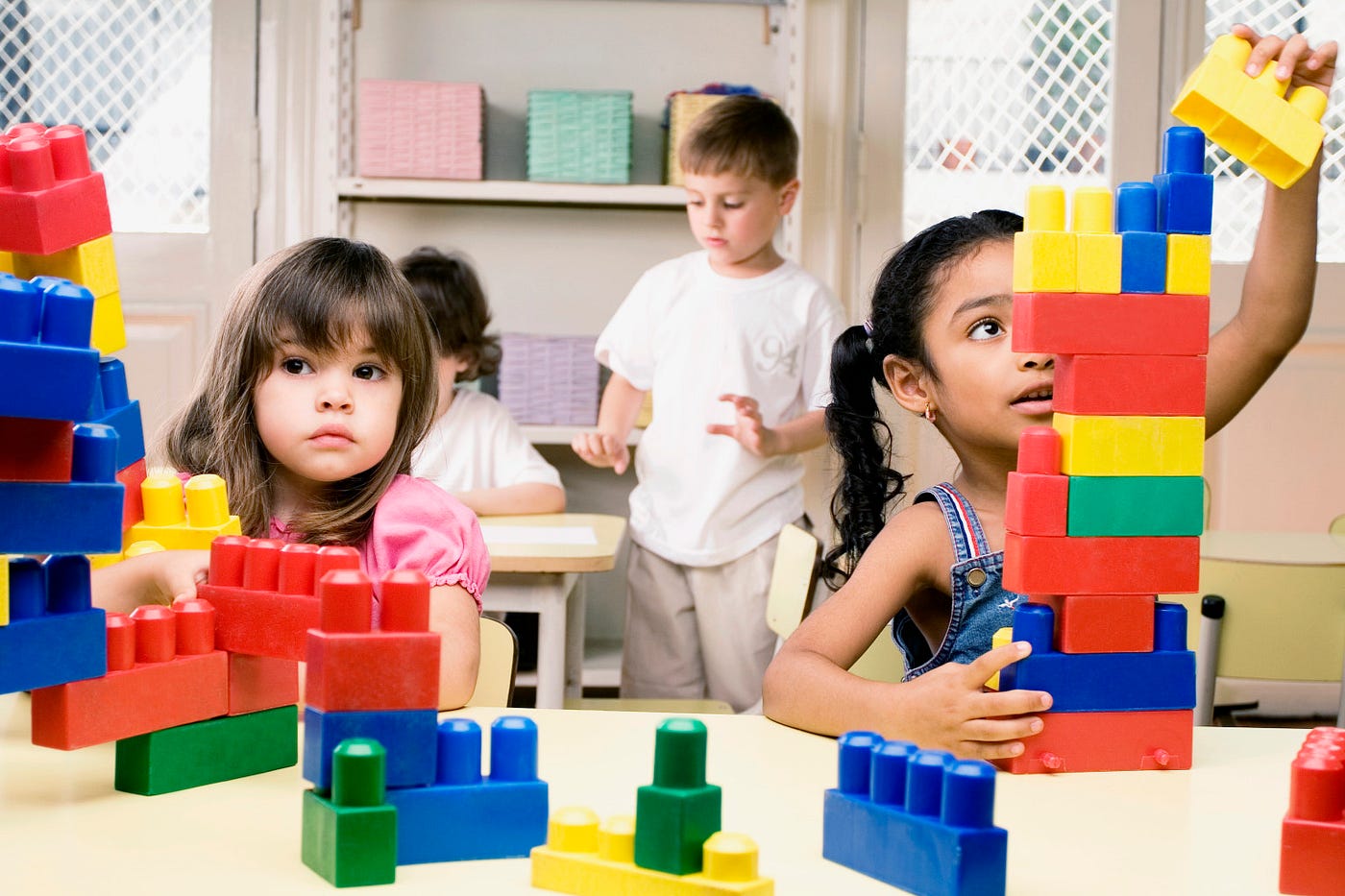
Credit: medium.com
Boosting Cognitive Skills
Educational toys play a key role in boosting cognitive skills. They help children think clearly and solve problems. These toys make learning fun and interactive. Kids use their brains actively while playing. This active engagement improves memory, attention, and understanding.
Enhancing Problem Solving
Educational toys challenge children to find solutions. Puzzles and building blocks teach kids to think step-by-step. They learn how to plan and test ideas. This process strengthens their problem-solving skills. Kids become better at handling new situations and tasks.
Encouraging Creativity
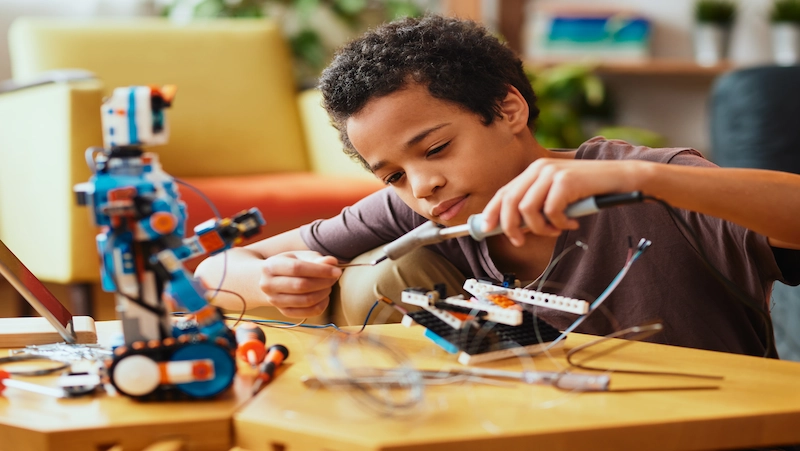
Creative toys inspire children to imagine and create. Art sets and building kits allow kids to explore ideas freely. They learn to express themselves in unique ways. Creativity helps children develop flexible thinking. This skill is important for learning and adapting in life.
Credit: keyirobot.com
Supporting Emotional Growth
Educational toys play a key role in a child’s emotional growth. They help children understand their feelings and express them in healthy ways. These toys create safe spaces for kids to explore emotions and develop important social skills. Emotional growth is essential for building strong relationships and self-awareness. Through play, children learn to manage emotions like joy, frustration, and empathy.
Building Confidence
Educational toys give children a chance to try new things. Success with these toys boosts their self-esteem. Children feel proud when they solve puzzles or complete tasks. Confidence grows as they see their progress. This belief in their abilities encourages them to face challenges. Toys that adapt to skill levels help maintain this confidence.
Fostering Patience
Some educational toys require time and effort to master. Children learn to wait and keep trying. This builds patience and persistence. It teaches kids that mistakes are part of learning. Patience helps children handle frustration calmly. Toys that encourage step-by-step progress support this skill.
Improving Social Abilities
Improving social abilities is a key benefit of educational toys that often goes unnoticed. These toys create opportunities for children to interact, share, and understand others better. You might see your child naturally learn to work with peers or express their feelings more clearly while playing.
Promoting Cooperation
Educational toys encourage kids to work together, which builds cooperation skills. When children play with puzzles or build something as a team, they learn to take turns and listen to each other’s ideas.
Have you noticed how sharing a toy can lead to better teamwork? Simple games like board games or group challenges teach kids the value of patience and compromise.
Developing Communication
These toys also help children develop communication skills by encouraging them to explain their thoughts and ask questions. Role-playing toys, for example, invite kids to practice conversation and storytelling.
Think about how your child describes their play scenario or negotiates rules with friends. This kind of interaction sharpens their ability to express themselves clearly and understand others.
Preparing For Academic Success
Preparing for academic success begins early. Educational toys build a strong foundation for learning. They help children develop essential skills needed in school. These toys create a fun way to practice focus and basic concepts.
Strengthening Focus
Focus is key to learning in any classroom. Educational toys encourage children to pay attention. Puzzles and building blocks require concentration to complete tasks. This practice helps kids sit still and stay attentive. Over time, children improve their ability to listen and follow instructions.
Introducing Basic Concepts
Educational toys introduce numbers, letters, shapes, and colors. These basic ideas are the building blocks of school subjects. Toys like alphabet blocks and counting beads make learning hands-on. Children understand concepts faster through play. Early exposure to these ideas supports reading and math skills.

Credit: www.slideshare.net
Frequently Asked Questions
What Benefits Do Educational Toys Offer Children?
Educational toys improve cognitive skills, creativity, and problem-solving. They promote hands-on learning and help children grasp complex concepts easily.
How Do Educational Toys Support Early Childhood Development?
They enhance motor skills, language, and social interaction. Educational toys encourage curiosity and build foundational knowledge through play.
Are Educational Toys Suitable For All Age Groups?
Yes, educational toys come in various types tailored for different ages. They grow with children’s developmental stages and learning needs.
Can Educational Toys Improve Academic Performance?
Yes, they reinforce learning concepts and boost memory retention. Educational toys make studying enjoyable and strengthen critical thinking skills.
Conclusion
Educational toys help children learn while they play. They build skills like thinking, solving problems, and creativity. Kids also improve social and language abilities by playing with others. Choosing the right toys supports growth at every age. Parents and teachers can guide play to make learning fun.
These toys prepare children for school and life ahead. Giving kids educational toys is a smart way to help them grow. Play and learning go hand in hand. It matters.