
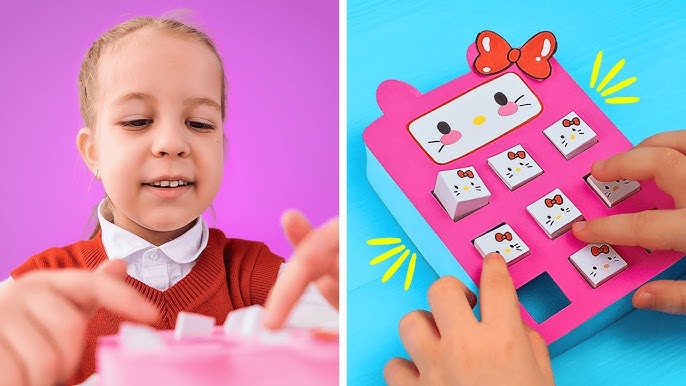
Are you looking to spark your child’s curiosity and creativity without breaking the bank? Discovering how to make easy educational toys at home can be your secret weapon.
These simple DIY projects not only engage your little ones but also enhance their learning experiences. Imagine the joy on your child’s face as they explore and learn through play with toys you created together. In this guide, you’ll find step-by-step instructions and clever ideas that transform everyday materials into fun, educational tools.
Get ready to unleash your inner maker and watch your child thrive!
Simple Materials For Diy Toys
Creating educational toys at home can be simple and fun. The key is choosing easy-to-find materials. Simple materials make DIY projects quick and budget-friendly. They also encourage creativity and learning through play.
Using common items from around the house helps reduce waste. It also teaches children about recycling and reusing. These materials are perfect for making safe and engaging toys.
Household Items To Repurpose
Many household items work well for DIY educational toys. Here are some popular options:
- Cardboard boxes and tubes
- Plastic containers and lids
- Old socks and fabric scraps
- Buttons, bottle caps, and beads
- Paper rolls and egg cartons
- Wooden spoons and sticks
These items can be turned into puzzles, sorting games, or building blocks. They offer endless possibilities for creative learning.
Safe And Eco-friendly Choices
Safety is a top priority when making toys. Use non-toxic paints and glue. Avoid small parts for young children to prevent choking hazards.
Choose natural materials like wood and cotton. These are gentle on the environment and kids’ skin.
Look for items that can be cleaned easily. This helps keep toys hygienic and long-lasting. Eco-friendly materials teach kids to care for the planet too.
Credit: www.theempowerededucatoronline.com
Step-by-step Toy Projects
Creating educational toys at home can be both fun and rewarding. These projects not only save money but also allow you to customize toys to fit your child’s learning style. The following step-by-step projects are simple to make and encourage hands-on learning.
Building A Sensory Bottle
Sensory bottles are calming and stimulate curiosity. Start by filling a clear plastic bottle with water, then add items like glitter, small beads, or colorful buttons. Seal the bottle tightly with glue to prevent leaks.
Shake the bottle and watch how the contents move slowly, helping your child focus. You can customize these bottles with themes such as ocean life using blue water and tiny sea creatures. Have you noticed how small movements can capture your child’s attention for minutes?
Creating Puzzle Blocks
Turn simple wooden blocks into an educational puzzle by painting numbers, letters, or shapes on each side. Use non-toxic paint and let it dry completely before play. These blocks can teach counting, spelling, or shape recognition.
Mix and match the blocks to create different words or patterns. This hands-on approach improves fine motor skills and problem-solving. Would your child enjoy building towers while learning the alphabet?
Making Alphabet Flashcards
Flashcards are easy to make with cardstock or thick paper. Write one letter on each card and add a corresponding picture or word underneath. For example, “A” with an apple drawing.
Use bright colors to make the cards more engaging. You can even laminate them to make them durable. How often do you use flashcards to turn learning into a quick, interactive game?
Incorporating Learning Themes
Incorporating learning themes into educational toys makes playtime both fun and meaningful. Kids engage better when toys connect with real-world skills. Simple themes like numbers, science, and words guide their discovery. These themes build foundational skills through hands-on activities. Easy to make toys with clear learning goals spark curiosity and encourage practice.
Math And Counting Activities
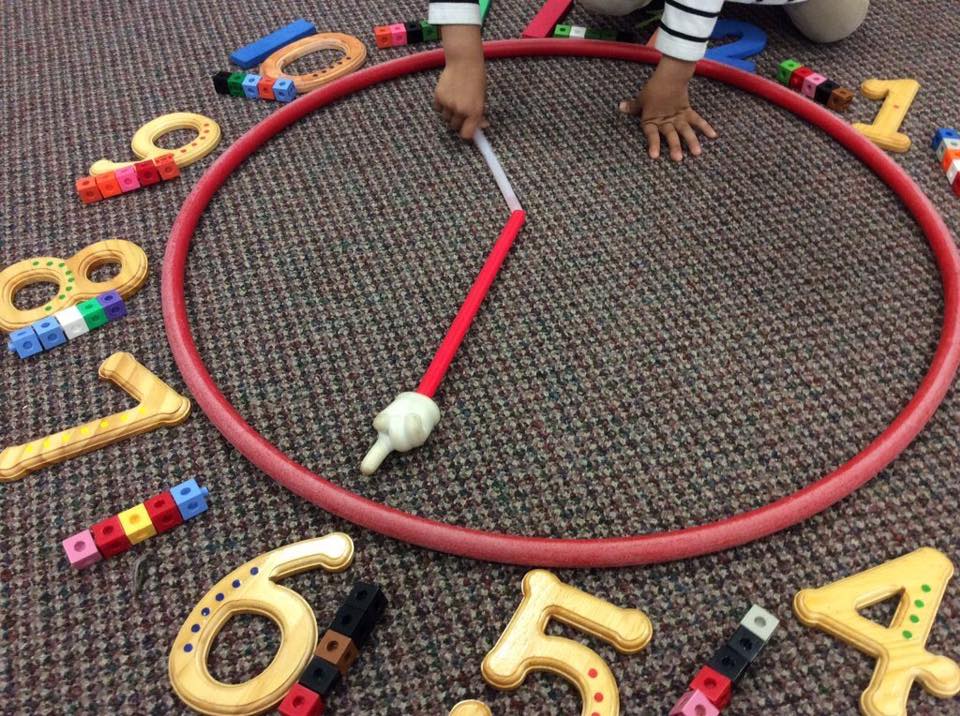
Math-themed toys help children understand numbers and basic math. Use everyday items like buttons or blocks for counting games. Create sorting activities by size, color, or shape. Introduce simple addition or subtraction with visual aids. These toys make abstract numbers concrete and easy to grasp.
Science Exploration Toys
Science toys invite children to explore the world around them. Build simple models like a homemade volcano or plant-growing kits. Use magnifying glasses to study leaves, insects, or rocks. Encourage asking questions and making observations. These toys develop curiosity and critical thinking skills.
Language And Literacy Games
Language toys boost speaking, reading, and writing skills. Craft letter cards or word-matching games using paper or cardboard. Play sound recognition games to build phonics skills. Use picture books or storytelling props to encourage creativity. These games support early literacy in a playful way.
Credit: edgeearlylearning.com.au
Tips For Engaging Kids
Engaging kids with educational toys keeps their interest alive and boosts learning. Toys should spark curiosity and invite active play. Simple changes can make toys more fun and meaningful. Focus on ways to involve children’s minds and hands.
Encouraging Creativity And Imagination
Use toys that allow open-ended play. Blocks, clay, and simple craft materials work well. Kids create stories, shapes, and new uses for toys. Let children choose colors and designs freely. Avoid strict rules that limit how toys are used.
Ask questions that make kids think. “What else can this do?” or “Can you build something new?” Encourage mixing toys together. This promotes imagination and problem-solving skills.
Adapting Toys For Different Ages
Adjust toys to match a child’s age and skills. Younger kids need larger, safer pieces. Older kids enjoy challenges and complex tasks. Change the difficulty by adding or removing parts.
Use simple labels or pictures for young children. For older kids, add instructions or goals. This helps keep toys interesting as children grow. Adapt toys to keep play fresh and engaging.

Credit: www.youtube.com
Frequently Asked Questions
What Materials Are Best For Making Educational Toys?
Safe, non-toxic materials like wood, fabric, and recycled plastic work best. They are durable and child-friendly. Simple household items can also be used creatively for educational purposes.
How Can I Make Educational Toys At Home?
Use everyday items like cardboard, buttons, and strings. Focus on toys that teach colors, shapes, numbers, or letters. Keep designs simple and engaging for easy learning.
Which Age Group Benefits Most From Diy Educational Toys?
Educational toys work well for toddlers to early school-age children. They aid in developing motor skills, cognitive abilities, and creativity during these critical years.
How Do Educational Toys Support Child Development?
They enhance problem-solving skills, hand-eye coordination, and language learning. Educational toys encourage curiosity and interactive learning, fostering overall brain development.
Conclusion
Making educational toys at home can be simple and fun. These toys help children learn while they play. You only need a few materials and a bit of creativity. Kids enjoy toys that teach shapes, colors, and numbers. Parents save money by creating their own toys.
Everyone benefits from hands-on learning experiences. Try making easy educational toys today and watch children grow. Simple steps lead to great learning moments. Give it a try and enjoy the process together.