
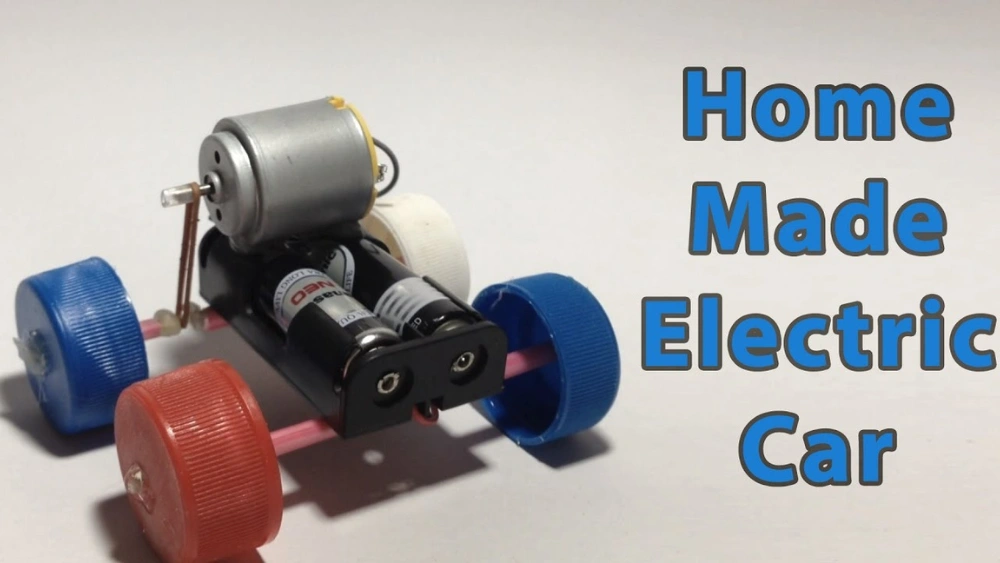
Imagine the joy on a child’s face when they see a toy they built themselves light up or move for the first time. Creating electronic toys isn’t just for engineers or tech enthusiasts; it’s something you can do right at home.
You don’t need a degree in electronics or a fancy workshop. With a few simple materials and a little guidance, you can transform everyday items into fascinating gadgets. This isn’t just about building toys; it’s about sparking creativity, curiosity, and confidence in your abilities.
Ready to discover how easy and exciting it can be to make simple electronic toys? Let’s dive in and turn some basic components into magical playthings that will captivate and educate!
Basic Components Needed
Creating simple electronic toys is a fun way to learn about how electronics work. Before you start building, it’s important to gather the right components. These basic parts will help you turn your ideas into working toys quickly and easily.
Common Electronic Parts
You don’t need a huge collection of components to make simple electronic toys. A few basic parts will get you started and allow you to experiment with different designs.
- Battery– The power source for your toy. AA or 9V batteries are common choices.
- Switch– Lets you turn your toy on and off.
- LEDs– Small lights that add visual effects.
- Resistors– Control the flow of electricity to protect other parts.
- Motors– Create motion, like spinning wheels or moving parts.
- Buzzer– Makes sound to add an interactive element.
- Wires– Connect all the components together.
Have you thought about which part excites you the most? Picking one can guide your project’s focus.
Tools For Assembly
Having the right tools makes building your electronic toy easier and safer. You don’t need a professional setup; a few simple tools will do the job well.
- Soldering Iron– For joining wires and components securely.
- Wire Strippers– Remove insulation from wires cleanly.
- Small Screwdrivers– Handy for tightening tiny screws.
- Multimeter– Checks voltage, current, and continuity to troubleshoot your circuit.
- Helping Hands– A tool with clamps that holds parts steady while you work.
Which tool do you think you’d use the most? Picking the right one can save you frustration later.

Credit: www.instructables.com
Simple Circuit Designs
Simple circuit designs form the heart of basic electronic toys. They help bring your toy to life by creating a path for electricity to flow. Understanding these circuits makes building toys fun and rewarding. You don’t need complex tools or skills to start. A few parts and a clear plan can create impressive results.
Creating Basic Circuits
Start with a simple loop of wire, a power source, and a small device like an LED. The circuit must be closed for electricity to flow. Use wires to connect the battery to the LED. When connected correctly, the LED lights up.
Use a breadboard or a piece of cardboard as a base. Attach components with tape or clips. Test your circuit by turning it on and off. This hands-on approach helps you understand how electricity works.
Using Batteries And Switches
Batteries provide the energy your toy needs to run. Choose small batteries like AA or coin cells for safety and convenience. Connect the positive and negative ends carefully to avoid short circuits.
A switch controls the flow of electricity. It lets you turn the toy on and off easily. Add the switch between the battery and the device. This simple addition makes your toy interactive and fun to use.
Step-by-step Toy Assembly
Assembling a simple electronic toy requires clear steps and careful handling. This part guides you through the key actions to bring your toy to life. Follow each instruction closely to ensure proper function and safety.
Connecting Components
Start by gathering all parts: battery, wires, motor, and switches. Arrange them on a clean surface for easy access. Connect wires to the battery terminals using clips or soldering. Attach the motor wires to the switch terminals carefully. Check that all connections are tight and secure. Avoid loose wires; they cause poor performance or shorts. Use electrical tape to cover exposed wires and prevent shocks. Organize wires to avoid tangling and make the toy neat.
Testing Your Toy
Before final assembly, test each connection. Insert batteries and switch on the toy. Observe if the motor or lights activate correctly. If not, check all wire connections again. Look for loose ends or wrong placements. Use a multimeter to check voltage if needed. Ensure the toy runs smoothly without sparks or heat. Turn off the toy and disconnect the battery after testing. Fix any problems before sealing the toy body. This step saves time and prevents damage.

Credit: www.youtube.com
Safety Tips And Troubleshooting
Creating simple electronic toys is exciting, but safety and troubleshooting should never be overlooked. Paying attention to these aspects keeps your project fun and frustration-free. Knowing how to avoid errors and fix problems fast lets you focus on creativity instead of setbacks.
Avoiding Common Mistakes
One frequent mistake is mixing up battery polarity. Always double-check the positive and negative terminals before connecting power. A quick tip is to mark the wires with colored tape—red for positive and black for negative—to avoid confusion.
Loose connections often cause toys to stop working unexpectedly. Make sure wires are securely twisted or soldered, and test each joint before final assembly. Have you ever had a toy stop working just because a wire slipped out? Prevent that by firmly fastening every connection.
Using the wrong components can also ruin your project. Check the voltage and current ratings of LEDs, motors, and resistors to ensure they match your circuit. If you’re unsure, consult the component datasheet or ask for advice at your local electronics store.
Fixing Simple Issues
If your toy doesn’t turn on, start by testing the battery with a multimeter or swapping it with a fresh one. Dead or weak batteries are the most common cause of failure. Have you tried turning it off and on again? Sometimes, simply resetting your circuit helps.
Wobbly or flickering lights usually mean a loose connection or a bad solder joint. Inspect the wiring carefully and re-solder any suspicious spots. A steady light indicates a solid connection and proper current flow.
If the motor doesn’t spin, check the wiring and ensure it’s connected to the correct terminals. Motors also have polarity, so reversing the wires might make it spin backward or not at all. Testing with a known good power source can help isolate the problem.

Credit: www.youtube.com
Frequently Asked Questions
What Materials Do I Need To Make Simple Electronic Toys?
You need basic components like batteries, wires, LEDs, resistors, and small motors. Simple tools such as a soldering iron, wire cutters, and a screwdriver are also helpful for assembly.
How Can Beginners Safely Build Electronic Toys?
Start with low-voltage batteries and basic circuits. Follow instructions carefully and avoid exposed wires. Always supervise children and use insulated tools to prevent shocks and short circuits.
Which Electronic Circuits Are Best For Toy Projects?
Simple circuits like LED blinkers, motor drivers, and buzzers work well. These circuits are easy to understand and provide fun interactive features for electronic toys.
How Long Does It Take To Make An Electronic Toy?
Basic electronic toys can be completed in 30 minutes to a few hours. Time depends on complexity, skill level, and availability of materials.
Conclusion
Making simple electronic toys can be fun and educational. You can learn about circuits and how things work. Start with easy projects and grow your skills step by step. Use common parts and tools to keep it simple. Creating toys helps you think, build, and solve problems.
Try different ideas and enjoy the process. Remember, practice makes perfect. Keep experimenting and have fun with your creations. This hobby can bring joy and knowledge to anyone. Give it a try today!