

Imagine a world where your little one’s imagination takes flight, transforming everyday moments into magical adventures. This is the power of pretend play toys for 1-year-olds.
As a parent, you might wonder how these simple toys can make a difference in your child’s life. The truth is, they do more than just entertain; they play a crucial role in your child’s development. In this blog post, we’ll uncover the hidden benefits of pretend play toys and explain why they are essential for your 1-year-old.
Get ready to discover how these toys can spark creativity, enhance learning, and bring endless joy to your child’s early years.
Cognitive Development
Pretend play toys are more than just fun for 1-year-olds. They play a crucial role in cognitive development. At this age, children’s brains are rapidly growing. Engaging with pretend play toys helps them explore their surroundings creatively. This exploration is foundational for cognitive skills. Parents notice their babies grasping new ideas and concepts during play.
Understanding Cause And Effect
Pretend play toys teach toddlers about cause and effect. They learn that pressing a button can make a toy move. This helps them understand how actions lead to results. It is a simple yet important lesson. It lays the groundwork for more complex thinking later.
Problem-solving Skills
These toys challenge young minds to solve problems. Figuring out how to stack blocks or fit shapes develops critical thinking. It encourages creativity and persistence. Problem-solving skills are essential for future learning.
Memory Improvement
Pretend play enhances memory skills. Children remember sequences and patterns during play. They recall where they placed a toy or how to build a tower. This repetition boosts memory retention. Strong memory skills aid in academic success.
Imagination And Creativity
Imagination flourishes with pretend play. Toys like dolls and stuffed animals spark creative scenarios. Kids invent stories and roles. This creativity is vital for personal expression. It also fosters emotional understanding and empathy.
Language Development
Pretend play toys encourage language growth. Children mimic sounds and words they hear. They practice speech during playtime. Engaging with toys improves vocabulary. Strong language skills are fundamental for communication.

Credit: www.amazon.com
Social Skills Enhancement
Pretend play toys help 1-year-olds develop social skills. These toys encourage imagination and interaction with others. Children learn sharing, empathy, and communication through playful scenarios.
Introducing your little one to pretend play toys can be a delightful way to enhance their social skills. These toys are not just about fun; they play a crucial role in helping 1-year-olds understand the world around them. Let’s explore how these toys can boost your child’s social skills and help them grow into more confident individuals.1. Encouraging Interaction
Pretend play toys, such as dolls, tea sets, or mini kitchens, invite interaction. When your child plays with these toys, they learn to communicate and express their thoughts. This interaction builds a foundation for effective communication skills. Imagine your child serving you a cup of pretend tea. They’re not just playing; they’re practicing the art of conversation. This simple act teaches them the give-and-take nature of real-life interactions.2. Sharing And Cooperation
Sharing is an essential social skill that pretend play toys naturally promote. When children play with others, they often share toys and collaborate on imaginative scenarios. This sharing fosters a sense of cooperation. Children learn that taking turns and working together makes playtime more enjoyable. It’s a lesson that stays with them, teaching them the importance of cooperation in group settings.3. Empathy Development
Pretend play encourages children to step into someone else’s shoes. When your child pretends to be a doctor or a parent, they explore different perspectives. This role-playing nurtures empathy. As they care for a pretend baby or bandage a stuffed animal’s “injury,” they start to understand the feelings and needs of others. Empathy, developed at this young age, becomes a cornerstone of strong social connections later in life.4. Problem-solving Skills
Pretend play scenarios often present challenges that require problem-solving. Whether it’s building a fort or setting up a tea party, your child learns to navigate obstacles and find solutions. These problem-solving skills are not only crucial for social interactions but also for facing real-life challenges. Encouraging your child to think critically and creatively can have a lasting impact on their development.5. Building Confidence
Confidence blossoms when children feel understood and valued. Pretend play allows them to express themselves freely without judgment. Each time they successfully navigate a play scenario, their confidence grows. This newfound confidence extends to their social interactions, making them more willing to engage with peers and adults alike. As a parent, witnessing this growth is truly rewarding. By embracing pretend play toys, you’re not just providing entertainment; you’re setting the stage for your child’s social success. How will you encourage your little one to explore the world of pretend play today?Physical Coordination And Motor Skills
Pretend play toys are essential for 1-year-olds. They support physical coordination and motor skills development. These toys encourage children to move, grasp, and manipulate objects. This activity strengthens muscles and improves hand-eye coordination.
Physical Movement Through Play
Pretend play toys motivate toddlers to move. Crawling, walking, and reaching become fun challenges. These actions build muscle strength and improve balance. Toys like push carts and ride-ons enhance physical movement.
Enhancing Hand-eye Coordination
Grasping and stacking toys improve hand-eye coordination. Blocks and stacking rings help children connect vision with hand movement. This skill is vital for daily activities as they grow.
Developing Fine Motor Skills
Small toys require precise handling. Buttons, knobs, and small parts refine fine motor skills. Pretend play toys like kitchen sets develop these skills, preparing children for future tasks.
Building Gross Motor Skills
Larger toys engage gross motor skills. Jumping, pushing, and pulling involve larger muscle groups. Toys like wagons and balls promote active play, enhancing overall physical ability.
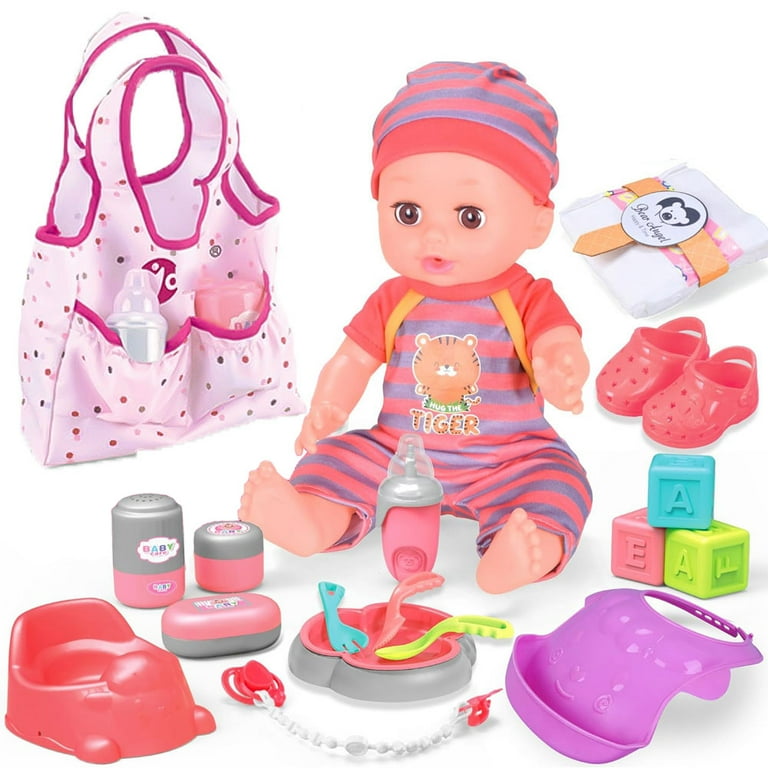
Credit: www.walmart.com

Credit: blog.lovevery.com
Frequently Asked Questions
Why Is Pretend Play Important For Babies?
Pretend play boosts creativity and imagination in babies. It enhances problem-solving skills and emotional development. Babies learn social interactions and empathy through role-playing. This type of play supports cognitive growth and language skills. Engaging in pretend play lays a strong foundation for lifelong learning.
Do 1 Year Olds Play Pretend?
Yes, 1-year-olds engage in simple pretend play. They mimic daily activities like talking on the phone or feeding dolls. This imaginative play supports cognitive and social development. Encourage pretend play by providing toys and props, fostering creativity and learning. Keep interactions fun and engaging to nurture their growing imagination.
At What Age Level Is Pretend Play Encouraged?
Pretend play is encouraged from around age 2. This activity helps develop creativity, social skills, and problem-solving abilities. Children engage in role-playing, imitating adults, or creating imaginary scenarios, which are crucial for cognitive development and emotional growth.
Why Is Doll Play Important For Toddlers?
Doll play enhances toddlers’ creativity and imagination. It boosts emotional expression and social skills by mimicking real-life situations. Handling dolls improves fine motor skills. Role-playing with dolls helps toddlers understand empathy and relationships. Engaging in doll play supports language development and communication skills.
Conclusion
Pretend play toys offer amazing benefits for one-year-olds. They spark creativity and imagination. Little ones learn while having fun. These toys support emotional growth and social skills. They help in understanding the world around them. Parents notice improved problem-solving abilities.
Language skills develop through play. Interaction with toys promotes bonding. This early play foundation is crucial. It sets the stage for future learning. Choosing the right toys makes a difference. Invest in pretend play for your child. Watch them grow and thrive.
Play is the key to development. Simple toys bring big changes. Engage your child today.