

Imagine watching your little one explore a world filled with imagination and creativity. As they pick up a toy phone or a mini kitchen set, their eyes light up with excitement, and their minds begin to weave stories and adventures.
Role-play toys aren’t just about fun; they’re a gateway to a child’s development. You might wonder, how can these simple toys make such a difference for a 1-year-old? The answer lies in their ability to stimulate the brain, enhance social skills, and foster emotional growth.
These toys are more than just playthings; they are tools that nurture your child’s curiosity and help them understand the world around them. By engaging in role-play, your child learns how to communicate, solve problems, and express emotions—all crucial skills as they grow. If you’re eager to discover how these toys can transform playtime into an enriching experience for your toddler, you’re in the right place. Dive into our exploration of the benefits of role-play toys for 1-year-olds, and uncover the hidden potential within your child’s playful moments.
Imagination And Creativity
Role-play toys can significantly boost a child’s imagination and creativity. These toys provide a platform for young minds to explore new worlds. At just one year old, children are naturally curious. They enjoy mimicking adults and experimenting with different roles. This playful exploration helps them understand the world around them. It encourages them to create stories and scenarios. Engaging with role-play toys is more than just fun. It’s a vital part of cognitive development.
Sparking Imagination
Role-play toys allow children to step into different roles. A toy kitchen lets them become a chef. A toy doctor’s kit transforms them into a healer. These scenarios spark imagination. They inspire children to think beyond their immediate surroundings. With each role, they envision new possibilities. This imaginative play is crucial for mental growth. It helps children develop problem-solving skills.
Boosting Creativity
Creativity thrives in an environment of free expression. Role-play toys offer this freedom. Children can create their own stories. They can decide how each character behaves. This process nurtures creative thinking. It allows them to experiment with ideas. They learn to express themselves through play. Each scenario offers a new creative challenge. This fosters an inventive mindset.
Developing Storytelling Skills
Storytelling is a vital skill for communication. Role-play toys help children craft narratives. As they play, they weave stories. These stories may be simple, but they are meaningful. Through storytelling, kids improve language skills. They learn to structure events logically. This strengthens their ability to convey ideas clearly. Role-play toys make storytelling a fun learning experience.
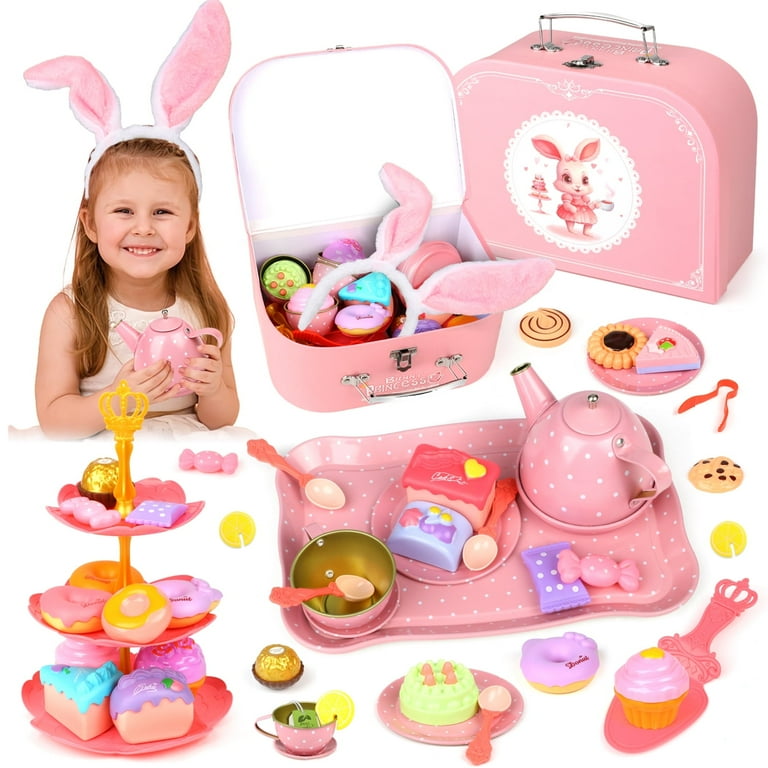
Credit: www.walmart.com
Social And Emotional Skills
Role-play toys help 1-year-olds learn social and emotional skills. These toys encourage sharing and understanding feelings. Children enjoy pretending and exploring different roles.
Role-play toys can be magical tools in a child’s development, especially for 1-year-olds. These toys don’t just entertain; they help in building social and emotional skills. As your little one imitates everyday actions, they learn to understand emotions and interact with others. Let’s dive into the specific benefits role-play toys offer for the budding social and emotional growth of your toddler.
Understanding Emotions
Role-play toys allow children to explore a range of emotions in a safe setting. When your child pretends to feed a doll or tuck it into bed, they begin to recognize feelings like care and empathy. This understanding of emotions forms the foundation for emotional intelligence.
Developing Empathy
By engaging with role-play toys, children learn to see the world from different perspectives. They imagine how others might feel, enhancing their ability to empathize. Consider the time your child pretended their stuffed animal was sad and gave it a comforting hug. This simple act is a step towards developing empathy.
Building Communication Skills
Role-play toys encourage children to express themselves verbally. As they interact with their toys, they practice using words to communicate thoughts and emotions. This can be as simple as your child saying “hello” to a toy phone. These early conversations lay the groundwork for effective communication.
Encouraging Cooperation
Playing with role-play toys often involves turn-taking and sharing, which are crucial social skills. When your child plays house with a toy kitchen, they learn to cooperate by “cooking” together with you or other kids. This cooperative play fosters teamwork and patience.
Enhancing Problem-solving Skills
Role-play scenarios often present small challenges that require problem-solving. Your child might figure out how to fit toy pieces together or decide the best way to “fix” a toy car. These activities enhance cognitive development and instill a sense of accomplishment.
Boosting Self-confidence
As children successfully navigate role-play scenarios, they gain confidence in their abilities. Each small achievement, like “baking” a pretend cake, boosts their self-esteem. This growing confidence helps them face new challenges with positivity. Are you noticing these developments in your child’s playtime? Encourage more role-play activities to nurture their social and emotional skills. These interactions are more than just play; they’re building blocks for your child’s future relationships and emotional well-being.
Cognitive And Physical Development
Role-play toys are more than just fun for one-year-olds. They play a crucial role in cognitive and physical development. These toys help young children understand the world. They encourage exploration and imagination. As children play, they learn vital skills without knowing it.
Understanding Cause And Effect
Role-play toys teach toddlers about cause and effect. They learn that pressing a button makes a sound. This simple action helps them understand consequences. It also boosts curiosity and problem-solving abilities.
Enhancing Memory And Recall
Playing with role-play toys improves memory. Children remember steps to complete tasks. They mimic actions and repeat them. This strengthens recall skills and aids learning.
Developing Fine Motor Skills
Role-play toys require precise movements. Turning knobs or stacking blocks develops fine motor skills. These actions enhance hand-eye coordination. They prepare children for future activities like writing.
Improving Gross Motor Skills
Role-play toys often involve larger movements. Crawling to grab a toy or walking to a play area boosts gross motor skills. These movements build muscle strength. They also improve balance and coordination.
Encouraging Imagination And Creativity
Role-play toys spark imagination. Children pretend to be chefs, doctors, or builders. This creative play expands their thinking. It nurtures storytelling abilities and inventive ideas.
Building Social Skills
Role-play toys promote social interaction. Children share toys and play together. This teaches cooperation and communication. They learn to express feelings and understand others.
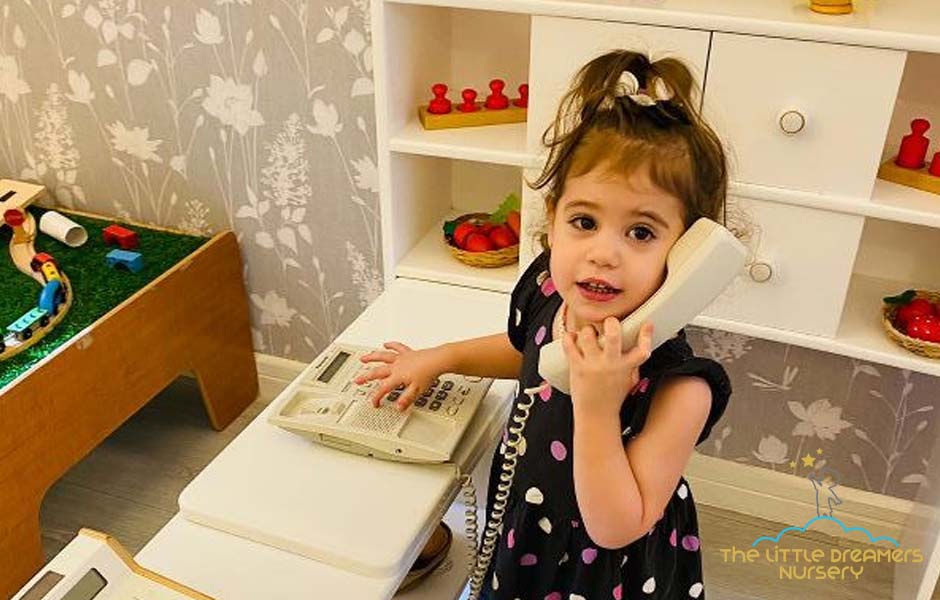
Credit: dreamersnursery.com

Credit: www.amazon.com
Frequently Asked Questions
Why Is Role Play Important For Babies?
Role play boosts creativity and imagination in babies. It enhances language and social skills. Babies learn problem-solving through role play. It helps in emotional development and understanding of real-world scenarios. Role play encourages cognitive growth and fosters empathy in young children.
What Is The Developmental Importance Of Pretend Play?
Pretend play boosts creativity and imagination. It enhances problem-solving skills and social development. Children learn empathy and emotional regulation. This play strengthens language skills and cognitive growth. Engaging in pretend play promotes healthy development.
What Role Do Toys Play In Early Childhood Development?
Toys enhance cognitive skills, creativity, and emotional growth. They improve social interactions and problem-solving abilities. Play fosters physical development and fine motor skills. Selecting age-appropriate toys encourages safe exploration and learning. Engaging toys stimulate curiosity and imagination, laying a strong foundation for lifelong learning.
What Are The Benefits Of Role Play With Baby Dolls?
Role play with baby dolls boosts creativity and imagination. It develops social skills and empathy in children. Kids learn responsibility and caregiving. It enhances language skills through pretend conversations. Engaging in role play helps toddlers understand real-life situations and emotions.
Conclusion
Role-play toys offer many benefits for 1-year-olds. They spark imagination. Encourage social skills. Promote language development. These toys also help with problem-solving. They are safe and fun. Parents can join in playtime. This strengthens bonding. Role-play toys support learning through play.
They make everyday experiences exciting. Choose toys suitable for your child. Ensure they are age-appropriate. Watch your child explore and grow. Enjoy these precious moments together. Investing in role-play toys is wise. Your child’s development will thrive.