

Are you looking for the perfect tactile toys that can keep your 9-year-old engaged and happy? You might have noticed how kids at this age are bursting with energy and curiosity.
They love exploring the world around them with their hands. Tactile toys can be a great way to fuel their imagination and help them learn while they play. But with so many options out there, how do you choose the right ones?
You want toys that not only entertain but also support their development. We’ll dive into the different types of tactile toys that are perfect for 9-year-olds. Discover which toys will captivate your child’s senses and keep them engaged for hours. Let’s explore these exciting options together!
Sensory Play Benefits
Exploring various tactile toys can enhance sensory play for 9-year-olds. Soft clay, textured balls, and kinetic sand stimulate touch and creativity. These toys help improve fine motor skills and concentration, engaging children in fun, hands-on activities.
Sensory play offers great benefits for 9-year-olds. It enhances their learning and development. Engaging with tactile toys boosts cognitive growth and emotional well-being. These toys stimulate the senses through touch, texture, and interaction. Let’s dive into the specific benefits.Enhances Cognitive Skills
Tactile toys challenge the brain. They boost problem-solving abilities. Kids learn better focus and attention. This helps in academic growth.Improves Fine Motor Skills
Manipulating tactile toys strengthens hand muscles. It improves dexterity and coordination. These skills are crucial for writing and daily tasks.Encourages Creativity And Imagination
Tactile toys inspire creativity. Kids explore new ideas and create stories. This nurtures their imaginative thinking.Reduces Anxiety And Stress
Playing with tactile toys calms the mind. It provides a soothing experience. This helps children manage stress better.Promotes Social Interaction
Tactile toys encourage group play. Kids learn to share and collaborate. Social skills improve through fun interactions.Boosts Emotional Development
Tactile play allows emotional expression. Kids understand their feelings better. This leads to healthier emotional development.Choosing Age-appropriate Toys
Tactile toys engage a child’s sense of touch, offering textures like squishy, smooth, or rough surfaces. For 9-year-olds, options include modeling clay, sand kits, and textured puzzles, promoting creativity and sensory exploration. These toys enhance fine motor skills while providing an enjoyable, hands-on experience.
Choosing the right tactile toys for a 9-year-old can feel like navigating a maze. Kids at this age are curious and eager to explore, making it essential to choose toys that are both fun and educational. These toys should stimulate their senses and also challenge their growing minds.Understanding Developmental Needs
At nine, children are honing their fine motor skills and learning through touch. It’s crucial to select toys that can enhance these abilities. Consider toys that require assembly, like building blocks or model kits, which can improve dexterity and hand-eye coordination.Encouraging Creativity And Imagination
Creative toys encourage imagination and storytelling. Craft kits, for instance, can provide a canvas for a child’s creativity. Does your child love to draw or build? Perhaps a set of colorful modeling clay can spark hours of creative play.Prioritizing Safety And Durability
Safety is paramount when choosing toys. Check for non-toxic materials and avoid small parts that could pose a choking hazard. Sturdy, well-made toys not only last longer but also withstand the rough and tumble of active play.Incorporating Educational Value
Toys that teach are invaluable. Look for puzzles or science kits that stimulate problem-solving and critical thinking. These toys can make learning fun and engaging, turning playtime into an educational experience.Engaging Multiple Senses
Tactile toys should engage more than just the sense of touch. Toys with bright colors, interesting textures, or even mild sounds can provide a multi-sensory experience. Think about what senses your child enjoys engaging with the most. Choosing the right tactile toys doesn’t have to be overwhelming. By focusing on developmental needs, creativity, safety, educational value, and sensory engagement, you can select toys that your 9-year-old will love and learn from. What toys will you choose to inspire and delight your child today?Slime And Putty
Slime and putty are popular tactile toys for 9-year-olds. They encourage creativity and sensory exploration. These toys come in various colors and textures, providing endless fun and engagement for children.
Slime and putty have become more than just a passing craze; they are now staples in the world of tactile toys for 9-year-olds. These gooey, stretchy substances offer a sensory experience that is both relaxing and stimulating. Perfect for squishing, stretching, and molding, slime and putty can captivate kids for hours, providing them with an outlet for creativity and stress relief.Varieties Of Slime
Slime comes in various forms, each with its unique texture and appeal. There’s the classic gooey slime that stretches endlessly and the fluffy slime that feels like you’re squishing a cloud. You can also find glitter slime, which adds a sparkling touch to playtime, and glow-in-the-dark slime that makes night-time adventures magical. Some slimes are even scented, offering a multi-sensory experience with every squeeze.Safe Ingredients
Safety is a top priority when it comes to choosing slime for your child. Look for slimes made with non-toxic ingredients. Many brands offer slimes that are free from harmful chemicals like borax, ensuring peace of mind for parents. Always check the packaging for safety certifications and age recommendations. If you’re ever in doubt, a quick glance at the ingredients list can reassure you.Diy Slime Kits
DIY slime kits are a fantastic way to engage your child in a fun, hands-on activity. These kits typically include everything needed to create slime, from the base ingredients to fun add-ins like beads or glitter. Making slime at home can be a great bonding experience. It allows children to experiment with textures and colors, fostering creativity and scientific curiosity. Plus, they get the satisfaction of playing with something they made themselves! Have you ever thought about what kind of slime would be your child’s favorite? Each type offers a unique experience, so why not try a few and see which one sparks the most joy?
Credit: www.amazon.sa
Kinetic Sand
Kinetic Sand offers a unique tactile experience for 9-year-olds. Soft and moldable, it promotes creativity and sensory exploration. Perfect for imaginative play.
Kinetic Sand has become a favorite tactile toy for kids. Its unique texture makes playtime exciting. This sand feels silky and smooth. Kids can mold it easily, creating endless shapes. It doesn’t dry out, providing fun for hours. Parents love its easy cleanup.Benefits Of Kinetic Sand
Kinetic Sand improves motor skills. Kids use their hands to shape it. This strengthens their fingers. It boosts creativity. Kids imagine new designs and structures. It’s also calming. The sand’s movement relaxes the mind.Creative Play Ideas
Kids can create sandcastles indoors. Use molds for different shapes. They can build mountains and valleys. Make pretend food items like pizzas or cookies. Challenge them to create their favorite animal. Organize a mini excavation site. Hide small toys in the sand for them to find.Storage Tips
Store Kinetic Sand in airtight containers. This keeps it fresh and clean. Use small bins for easy access. Label containers with colors or themes. Keep the sand in a dry area. Avoid storing near windows. Direct sunlight can affect its texture. Regularly check for dust or debris. Keep a cleaning brush handy for maintenance.Fidget Toys
Fidget toys come in various forms, perfect for 9-year-olds. Tactile toys like stress balls, sensory rings, and pop-its can help improve focus and provide calming effects. These toys engage young minds while offering a fun way to relieve stress.
Fidget toys have become popular among children and adults. They help with concentration and relaxation. For 9-year-olds, these toys offer a tactile experience. They engage the senses and provide a break from screens. Fidget toys come in various shapes and materials. They are designed to keep hands busy and minds focused.Types Of Fidget Toys
Fidget spinners are a classic choice. They spin between fingers and create a calming effect. Stress balls are soft and squishy. They can be squeezed to release tension. Fidget cubes offer different activities on each side. Buttons, switches, and dials keep hands busy. Tangles are twistable toys that encourage creativity. They consist of interconnected pieces that can be shaped.Focus And Relaxation
Fidget toys enhance focus in children. They provide a soothing distraction for active minds. The repetitive action helps calm anxiety. Children can use them during homework or study time. These toys also aid in managing stress. Squeezing or spinning can reduce nervous energy. This makes it easier to concentrate on tasks.Portable Options
Fidget toys are small and easy to carry. They fit in pockets or backpacks. This makes them perfect for travel or school. Children can use them during long car rides. Or waiting in lines. Portable fidget toys ensure children stay engaged. They’re convenient for any setting.
Credit: www.walmart.com
Building Blocks
Building blocks offer endless fun and creativity for 9-year-olds. These tactile toys enhance problem-solving skills and imagination. With various shapes and colors, they provide engaging learning experiences.
Building blocks capture a child’s imagination and encourage creativity. These tactile toys provide endless fun and learning. They help develop problem-solving skills and hand-eye coordination. For 9-year-olds, building blocks come in various exciting types. Let’s explore some popular choices.Classic Building Blocks
Classic building blocks are timeless. Made from wood or plastic, they offer durability. Kids use them to create towers, houses, and castles. These blocks enhance spatial awareness and fine motor skills. They are simple yet versatile. Classic blocks allow endless configurations. This freedom inspires imaginative play.Magnetic Blocks
Magnetic blocks add a twist to traditional building. They connect easily, making construction simple. Kids enjoy the satisfying click as blocks snap together. These blocks foster creativity and innovation. Magnetic blocks come in various shapes and colors. Children design unique structures without frustration. They boost confidence and promote independent play.Stem Learning
STEM-focused building blocks combine fun with education. They introduce basic science, technology, engineering, and math concepts. Kids learn while they play. These blocks often include gears, wheels, and connectors. They encourage critical thinking and problem-solving. STEM blocks offer hands-on learning experiences. This approach keeps children engaged and curious.Textured Balls
Textured balls provide a tactile experience, enhancing sensory play for 9-year-olds. These toys come in various materials and patterns, offering diverse textures for exploration and development. Ideal for stimulating touch senses and encouraging active engagement during playtime.
Textured balls offer a unique tactile experience for 9-year-olds. These toys come in various shapes, sizes, and materials. They stimulate sensory development and provide endless fun. Textured balls can be squeezed, rolled, or tossed, making them versatile playthings. They are ideal for creative play and learning.Therapeutic Benefits
Textured balls can calm anxious minds. Their varied surfaces engage the senses and promote relaxation. Kids often find comfort in their touch. Rolling or squeezing them reduces stress and increases focus. They can help improve coordination and balance.Variety In Textures
Textured balls come in multiple designs. Some are soft and squishy, others firm with bumps. Materials range from rubber to fabric. Each texture offers a different tactile sensation. These variations keep play interesting and engaging.Games And Activities
Textured balls are perfect for games. Kids can create obstacle courses, using balls for challenges. Tossing games enhance motor skills and social interaction. Creative activities like painting on textured balls offer artistic exploration. These games foster teamwork and creativity.Fabric And Plush Toys
Fabric and plush toys offer various tactile experiences for 9-year-olds. These toys stimulate the senses and improve motor skills. From soft stuffed animals to textured fabric puzzles, each type provides unique benefits.
Fabric and plush toys are more than just cuddly companions for nine-year-olds. They offer a sensory-rich experience that can be both comforting and stimulating. These tactile toys come in various shapes and sizes, providing endless opportunities for imaginative play and sensory exploration.Soft Textures
The allure of fabric and plush toys lies in their soft textures. Their gentle touch can be soothing, making them perfect for children who seek comfort in tactile experiences. Imagine the joy of your child holding a plush dinosaur or a velvety unicorn, feeling the different textures and fabrics. These toys can also help develop fine motor skills as kids learn to manipulate and hold them. Are you curious about how your child might react to a new texture? Try introducing a toy with a unique surface like sequins or corduroy.Role-playing Opportunities
Fabric and plush toys are excellent tools for role-playing. They allow kids to create stories and scenarios, enhancing creativity and social skills. Picture your child using a plush lion to create a jungle adventure or a fabric doll to host a tea party. Role-playing with these toys can also help children express emotions and practice empathy. Have you noticed how your child assigns personalities to their toys? This could be their way of navigating the world around them.Care And Maintenance
Taking care of fabric and plush toys is crucial to ensure they remain safe and hygienic. Regular cleaning keeps them fresh and extends their lifespan. Many plush toys are machine washable, making it easy to maintain them. Check the labels for specific care instructions, as some may require gentle hand washing. Do you involve your child in the cleaning process? It can be a fun way to teach responsibility and the importance of caring for their belongings.Interactive Mats
Interactive mats offer various tactile experiences for 9-year-olds. These mats come in different textures and colors, encouraging sensory exploration and creativity. Perfect for enhancing playtime with hands-on activities.
Interactive mats are a fantastic addition to a child’s playroom, offering a myriad of benefits that go beyond mere entertainment. These mats transform any space into an engaging playground, encouraging both physical movement and mental stimulation. They’re designed with tactile features that cater to the curious nature of nine-year-olds, making every interaction an opportunity for growth and learning.Tactile Features
Interactive mats come equipped with an array of tactile elements that stimulate a child’s sense of touch. From textured surfaces to vibrant colors, these mats invite kids to explore different sensations. Some mats even have raised patterns or soft bumps that can enhance sensory experience. Imagine your child tracing shapes with their fingers or feeling the difference between smooth and rough textures, all while having fun. These tactile interactions can improve dexterity and enhance sensory development, keeping kids engaged for hours.Educational Use
Beyond sensory play, interactive mats are powerful educational tools. Many mats incorporate learning elements like numbers, letters, and shapes into their designs. Picture your child jumping from one letter to another, practicing spelling words or solving math problems with every step they take. You can also find mats that include challenges or puzzles, encouraging critical thinking and problem-solving skills. These playful learning experiences can make educational concepts more accessible and enjoyable for your child.Space-saving Solutions
Interactive mats are perfect for homes with limited space. Unlike bulky toys, mats can be easily rolled up and stored when not in use. This feature is a lifesaver if you’re trying to maintain a tidy environment without sacrificing playtime. You can spread them out in the living room during playtime and quickly tuck them away when guests arrive. Do you ever find yourself struggling to find room for new toys? With interactive mats, you won’t have to worry about clutter, leaving more room for creativity and fun.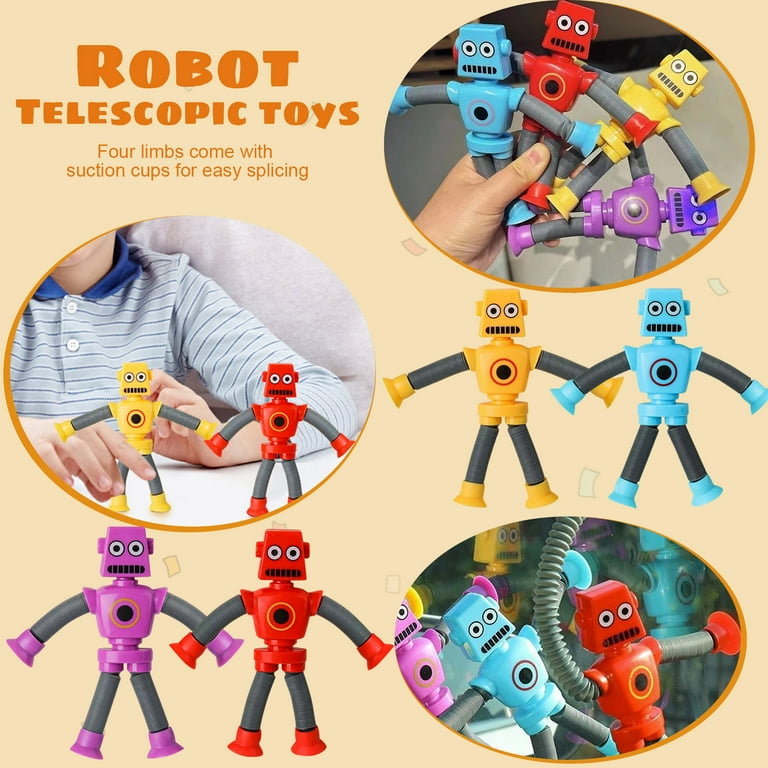
Credit: www.walmart.com
Frequently Asked Questions
What Kind Of Toys Do 9 Year Olds Play With?
Nine-year-olds enjoy playing with building sets, board games, action figures, and educational kits. They also like interactive and creative toys such as arts and crafts sets, science kits, and remote-controlled cars. These toys enhance their problem-solving skills and creativity while providing entertainment.
What Are The Different Types Of Stim Toys?
Stim toys include fidget spinners, stress balls, sensory rings, putty, weighted blankets, and textured mats. Each offers unique tactile experiences to aid focus and relaxation. They cater to various sensory needs, improving concentration and reducing anxiety. Choose based on personal preference and sensory requirements for optimal benefits.
What Are Tactile Toys?
Tactile toys engage the sense of touch, providing sensory feedback and stimulation. They often include textures, shapes, and materials that encourage exploration and development of fine motor skills. These toys are beneficial for children and individuals with sensory processing needs.
What Are Some Examples Of Sensory Toys?
Examples of sensory toys include fidget spinners, stress balls, and sensory bins. These toys provide tactile stimulation. Other examples are chewable jewelry, textured mats, and sound tubes. They help improve focus and calmness. Sensory toys can be beneficial for children with sensory processing issues.
Conclusion
Tactile toys offer endless fun for 9-year-olds. These toys boost creativity and improve focus. Kids enjoy exploring different textures and shapes. They learn while playing, without even realizing it. Parents appreciate how these toys keep children engaged. Great for individual play or group activities.
Perfect for indoor or outdoor fun. They encourage social interaction and teamwork. Affordable options are available for every budget. Choose tactile toys for a happier, more active child. The right toy can make learning enjoyable. Watch your child’s skills grow with each play session.