

Are you on the hunt for engaging and educational activities for your curious 2-year-old? Sensory bins might just be the magical solution you’ve been searching for.
These simple yet powerful tools can captivate your child’s imagination, improve motor skills, and ignite a lifelong love for learning. But with so many choices out there, how do you pick the perfect one? You want something safe, fun, and stimulating, right?
By the end of this guide, you’ll know exactly how to choose the best sensory bins tailored to your little one’s needs, ensuring hours of joy and discovery. Let’s dive into this colorful world where play meets learning!
Benefits Of Sensory Bins
Choosing sensory bins for 2-year-olds offers engaging play while boosting their fine motor skills and creativity. Opt for bins with varied textures and safe, age-appropriate materials to foster exploration.
Sensory bins offer a fantastic way for toddlers to explore the world. They provide a hands-on experience, which is crucial for young children. Sensory bins can enhance learning, improve motor skills, and boost creativity.Improves Fine Motor Skills
Playing with sensory bins helps toddlers develop fine motor skills. Picking up small objects strengthens their hand muscles. Pouring and scooping actions refine coordination. These activities prepare little hands for writing and drawing.Encourages Exploration And Discovery
Sensory bins invite toddlers to explore various textures. They learn about different materials like rice, sand, and beans. This exploration fosters curiosity and discovery. It builds a foundation for scientific thinking.Enhances Cognitive Development
Sensory bins stimulate cognitive growth in young minds. Sorting and categorizing items improve problem-solving abilities. Children learn to make connections between objects. This supports language development and early math skills.Promotes Calmness And Focus
Engaging with sensory bins can calm active toddlers. The repetitive actions of scooping and pouring soothe them. This focus reduces stress and promotes relaxation. It helps children concentrate better in other activities.Boosts Creativity And Imagination
Sensory bins spark creativity in young learners. They allow toddlers to create stories and scenarios. Children use their imagination to build worlds and adventures. This imaginative play nurtures artistic expression.Improves Social Skills
Sensory bins encourage interaction among children. Sharing and taking turns teach cooperation. Working together fosters teamwork and communication. These social skills are essential for future relationships. Sensory bins are more than just playthings. They are essential tools for early childhood development. Each bin offers unique benefits that support growth and learning.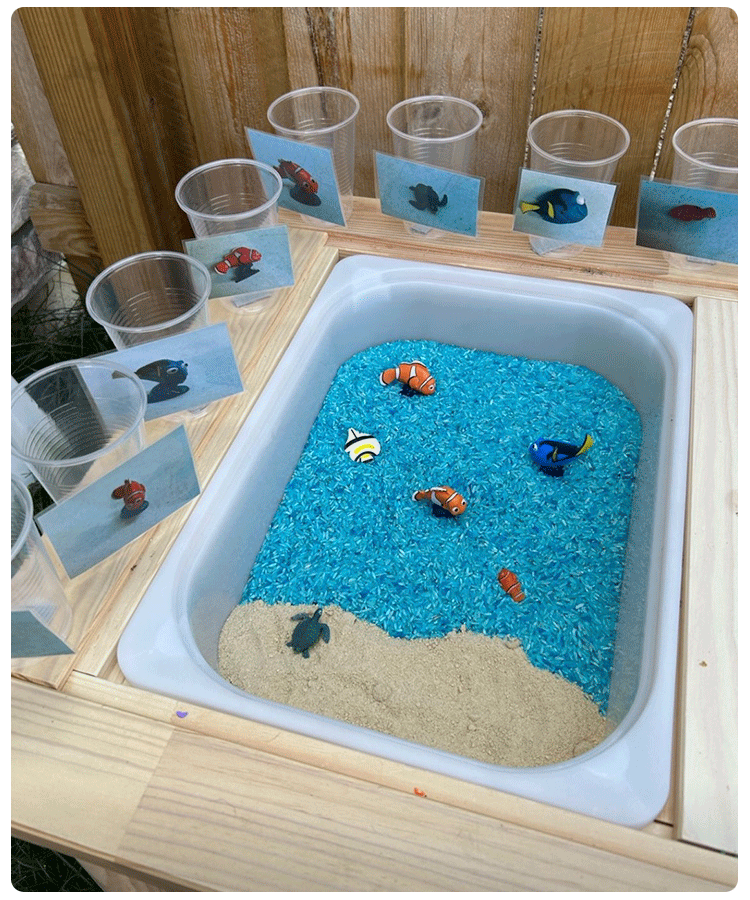
Credit: www.thebump.com
Age-appropriate Choices
Choosing sensory bins for 2-year-olds involves selecting items that are safe and stimulate exploration. Opt for bins with large, non-toxic pieces that can be easily handled by small hands. Incorporate different textures and colors to engage their senses and encourage curiosity.
Choosing sensory bins for your two-year-old can be an exciting journey. As you explore age-appropriate choices, it’s crucial to consider how these bins can enhance your child’s development while ensuring safety and durability. Age-appropriate sensory bins can offer endless fun and learning opportunities for your little one.Safety Considerations
Safety should be your top priority. Young children are curious and often explore their environment by touching and tasting. Ensure that the items in the sensory bin are non-toxic and free from small parts that could pose a choking hazard. You might want to test materials beforehand, like sand or rice, to ensure they are suitable for your child’s age. Also, consider how easy it is to clean up after playtime. Can you quickly tidy up? This will save you time and stress.Size And Durability
The size of the sensory bin should be manageable for your toddler. A bin that’s too large can overwhelm them, while a smaller bin can help focus their attention. Check if the bin is easy for your child to reach into and interact with the contents. Durability is key, especially when dealing with energetic toddlers who might tug, push, or occasionally drop the bin. Look for bins made from sturdy materials that can withstand wear and tear. Will it last through multiple play sessions? This ensures you won’t be replacing it frequently, providing lasting fun and learning for your child. Are you ready to make the sensory experience both safe and exciting for your toddler? Choosing the right bin is just the start of many adventures ahead.Material Selection
Choosing the right materials for sensory bins is crucial. Materials affect how children interact and learn. Sensory bins provide tactile, visual, and sometimes auditory experiences. Selecting the right materials enhances these experiences.
Natural Vs. Synthetic
Natural materials include sand, pebbles, and dried beans. These materials offer rich textures. They are often safe and eco-friendly. Children enjoy discovering how they feel and move.
Synthetic materials include plastic beads and foam pieces. They come in bright colors and varied shapes. Synthetic options are durable and easy to clean. They provide a different sensory experience.
Texture Variety
Texture variety adds excitement to sensory bins. Soft materials like cotton balls offer a gentle touch. Hard items like shells provide contrast. Combining textures keeps children engaged and curious.
Consider including both smooth and rough materials. This helps develop tactile awareness. It stimulates curiosity and exploration.
Theme Ideas
Choosing sensory bins for 2-year-olds requires considering safe, non-toxic materials. Opt for bright colors and varied textures to stimulate learning. Ensure items are large enough to prevent choking hazards.
Choosing the right sensory bin for your 2-year-old can be a fun and creative process, especially when you incorporate different themes. Themes can transform a simple sensory bin into an engaging, educational experience that captivates your child’s imagination. They also provide an opportunity to introduce new concepts and vocabulary in a playful setting. Here are some exciting theme ideas to consider when selecting sensory bins for your little one.Seasonal Themes
Seasonal themes are a delightful way to introduce your child to the changes happening in the world around them. Imagine a winter sensory bin filled with cotton balls as snow, small plastic snowflakes, and toy penguins. It’s a great way to talk about cold weather and how animals adapt. Spring can bring a garden-themed bin with dried beans as soil, plastic flowers, and mini gardening tools. This not only sparks discussions about growth and nature but also encourages pretend play. Summer could be represented with sand, seashells, and toy crabs, creating a mini beach scene. It’s perfect for discussing beach trips or sea animals, while also providing a satisfying tactile experience.Educational Themes
Educational themes can turn playtime into a learning opportunity. A color-themed bin, for instance, filled with items of various colors, can help your toddler learn to identify and name colors. Shape recognition can be encouraged with a bin full of different shaped blocks or toys. You can prompt them to find all the circles or squares, turning it into a fun game. Animal-themed bins, with small figurines and matching sounds or picture cards, can boost vocabulary and animal recognition. Encourage your child to mimic animal sounds or talk about their habitats. What theme will you try first? With endless possibilities, choosing a theme that resonates with your child’s interests will make sensory play a cherished part of their day.Budget-friendly Options
Choosing sensory bins for 2-year-olds can be fun and educational. Parents often worry about costs. There are many budget-friendly options available. These options provide engaging experiences without breaking the bank.
Diy Sensory Bins
Creating DIY sensory bins is easy and cost-effective. Use items from around the house. Raid your pantry for dried beans, rice, or pasta. These materials make great fillers. Add small toys or household items. Look for spoons, cups, or small containers. They add variety and enhance play. Consider seasonal themes. Use leaves in fall or snowflakes in winter. Be creative with colors and textures.
Another idea is to use water. Fill a tub with water and add cups. Safe food coloring can create a fun water play. Use ice cubes for a different sensation. Explore temperature changes with warm and cold water. These options stimulate senses and encourage learning.
Affordable Store-bought Options
Many stores offer affordable sensory bin materials. Visit dollar stores for small toys and items. Look for colorful beads or rubber animals. They are often inexpensive and ideal for tactile exploration. Craft stores also provide budget-friendly materials. Check out sales for cheaper options. Buy items like feathers, pom-poms, and buttons. These add different textures and experiences.
Online marketplaces can be a treasure trove. Search for bulk items at lower prices. Find kits that offer a variety of sensory materials. Compare prices to find the best deals. Some kits offer everything needed for sensory play. They save time and effort in gathering materials. Always ensure items are safe for toddlers.
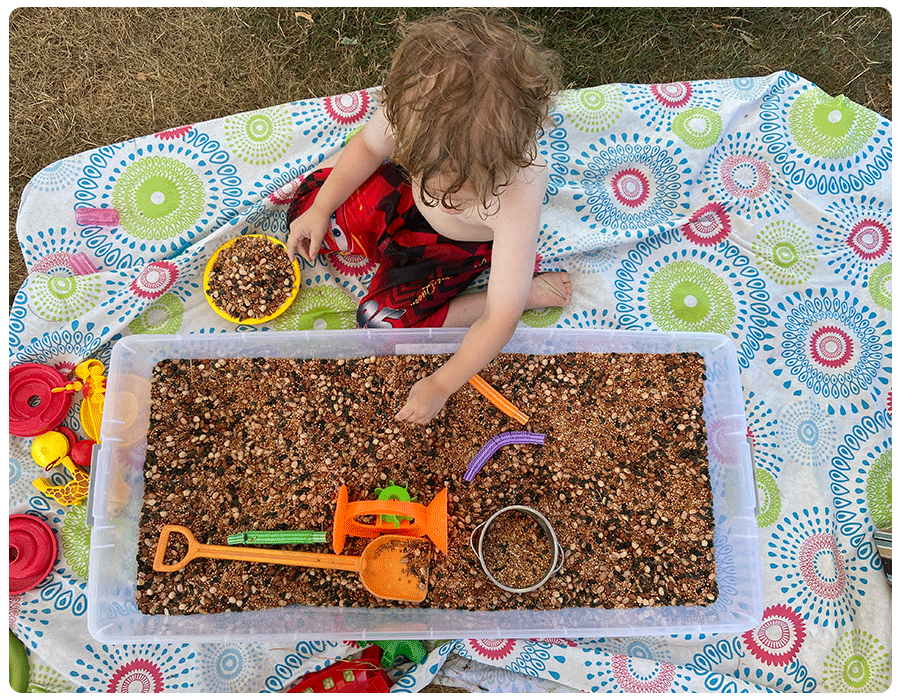
Credit: www.thebump.com
Encouraging Exploration
Encouraging exploration in young children is essential for their development. Sensory bins are a great tool to stimulate their curiosity. They engage a child’s senses, allowing them to learn through touch, sight, and sound. Selecting the right sensory bins can foster creativity and independent discovery. Every bin offers a new world to explore, sparking imagination and joy in learning.
Interactive Play Elements
Interactive elements enhance sensory experiences for toddlers. Items that can be moved, squeezed, or poured keep children engaged. Soft materials like sand or rice provide tactile stimulation. Adding scoops, cups, and shovels encourages physical activity. These tools improve motor skills and coordination. The more interactive the bin, the more a child learns.
Incorporating Favorite Toys
Including favorite toys in sensory bins creates a familiar environment. Children are more likely to engage with items they love. You can add toy cars, animals, or blocks to the mix. These toys can act as characters in imaginative play scenarios. Familiar toys offer comfort, making exploration less intimidating. They also provide a bridge between the known and unknown.
Maintenance And Storage
Proper storage ensures the sensory bins last longer and are ready for play. Choose bins with easy-to-clean materials and stackable designs for efficient organization.
Choosing sensory bins for your 2-year-old is a delightful journey that involves creativity and practicality. While selecting engaging materials is crucial, maintaining and storing these bins efficiently ensures they remain a fun and safe activity for your toddler. Proper maintenance keeps the bins fresh and inviting, while efficient storage solutions save you time and space, making the sensory play an enjoyable experience for both you and your child.Cleaning Tips
Regular cleaning of sensory bins is essential to prevent germs and maintain a safe play environment. After playtime, inspect the bin for any wet or sticky materials that could lead to mold or unpleasant odors. You can use mild soap and warm water to clean plastic bins thoroughly. For bins with non-washable materials, consider using a vacuum cleaner with a brush attachment to gently remove debris. Remember to dry all components thoroughly before storing them to avoid moisture buildup.Efficient Storage Solutions
Effective storage begins with choosing the right container. Clear plastic bins are ideal because they allow you to see the contents easily without opening them. Label each bin with the type of sensory activity or materials it contains. Stackable bins save space and keep your play area organized. You might also consider using shelves or storage carts with wheels for easy mobility. Have you thought about dedicating a specific corner of your child’s playroom for sensory bins? It could transform the space into a fun and educational nook, ready for exploration at any moment.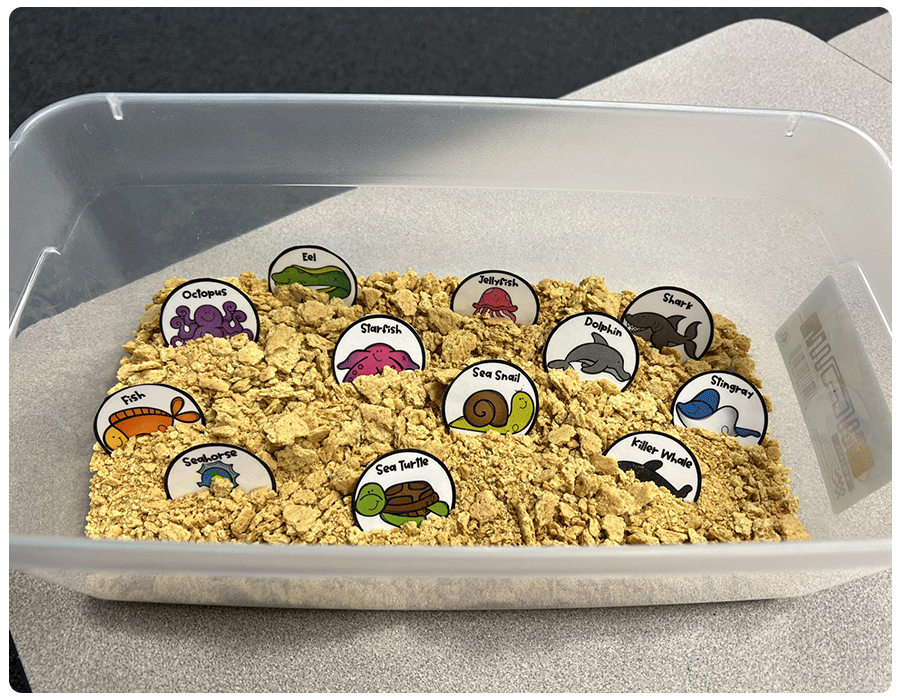
Credit: www.thebump.com
Frequently Asked Questions
Are Sensory Bins Good For 2 Year Olds?
Sensory bins are excellent for 2-year-olds. They enhance fine motor skills and creativity. Children explore textures, colors, and shapes. Sensory play supports cognitive development and improves focus. Use safe materials to ensure a fun learning experience. Encourage exploration for growth.
What Is Sensory Play For A 2 Year Old?
Sensory play for a 2-year-old involves activities that stimulate the child’s senses. It includes touch, sight, sound, taste, and smell. These activities enhance cognitive, language, and motor skills. Sensory play can involve sand, water, playdough, or musical instruments. It encourages exploration, creativity, and learning through hands-on experiences.
What Age Should You Start Sensory Bins?
Start sensory bins for children aged 6 months and older. Young toddlers benefit from tactile exploration and developing fine motor skills. Always ensure supervision and use age-appropriate materials to encourage safe play. Sensory bins can boost creativity and cognitive development from a young age.
What Are Pouring Activities For 2 Year Olds?
Pouring activities for 2-year-olds include transferring water between containers, pouring rice or beans, and using funnels. These activities enhance fine motor skills and hand-eye coordination. Supervise to ensure safety and encourage creativity. Provide different sizes and shapes of containers for varied experiences.
Conclusion
Choosing sensory bins for 2-year-olds can be fun. Focus on textures, colors, and themes. Keep safety in mind. Select items that are soft and non-toxic. Engage your child’s curiosity. Watch them explore and learn. Sensory bins can help development. They encourage creativity and fine motor skills.
Regularly change the bin contents. This keeps interest high. Observe what your child enjoys most. Adjust the bin accordingly. The right sensory bin can enrich playtime. It can also create lasting memories. Enjoy this creative journey with your little one.