

Are you looking for a fun and engaging way to keep your furry friend mentally stimulated? Puzzle toys might just be the perfect solution!
Not only do they challenge your dog’s mind, but they also provide hours of entertainment. Best of all, you can make them right at home without breaking the bank. Imagine the joy on your pet’s face as they solve the puzzle you crafted with love.
In this guide, you’ll discover simple yet effective ways to create puzzle toys that will captivate your dog’s attention and enrich their playtime. Stay with us to unlock the secrets of DIY dog puzzle toys that are sure to keep your pup happy and healthy.
Credit: www.aliexpress.com
Benefits Of Puzzle Toys
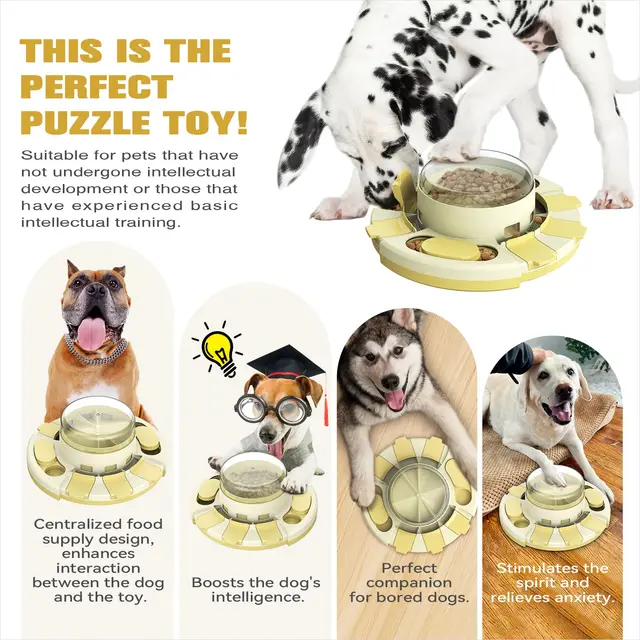
Puzzle toys offer more than just fun for your dog—they provide real benefits that improve your pet’s quality of life. These toys engage your dog’s mind and body, helping to keep them happy and healthy. Understanding these benefits can motivate you to create your own puzzle toys tailored to your dog’s needs.
Mental Stimulation
Dogs need mental challenges to stay sharp. Puzzle toys make your dog think, solve problems, and focus on finding hidden treats or pieces.
This mental workout can reduce boredom and prevent destructive behaviors caused by a lack of activity. Have you noticed how your dog perks up when faced with a new challenge? That’s their brain working hard.
Physical Exercise
Many puzzle toys require your dog to move, paw, or nudge parts of the toy to get rewards. This keeps them physically active even indoors.
Regular movement through play helps maintain a healthy weight and boosts overall fitness. Plus, it burns off extra energy that might otherwise be directed toward unwanted chewing or barking.
Behavioral Improvements
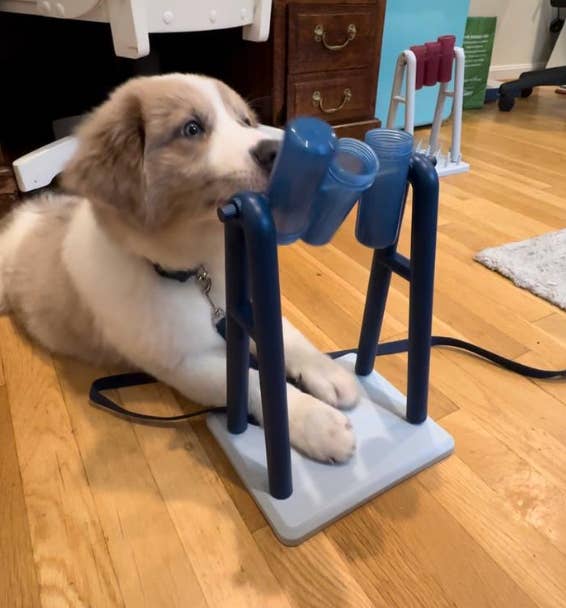
Puzzle toys can improve your dog’s behavior by providing a positive outlet for their energy and curiosity. They learn patience and focus while solving puzzles.
Dogs who regularly play with puzzle toys often show fewer signs of anxiety and frustration. Have you tried giving your dog a puzzle toy during alone time? It can ease separation stress and keep them calm.
Credit: www.buzzfeed.com
Materials You’ll Need
Creating puzzle toys for dogs can be simple and budget-friendly. Gathering the right materials is the first step. You can find many useful items right at home. Some supplies are specially made for pets and ensure safety. Knowing which materials to use helps you build fun and safe toys for your dog.
Common Household Items
- Empty plastic bottles (clean and dry)
- Cardboard boxes or tubes
- Old towels or fabric scraps
- Plastic cups or containers
- Egg cartons
- Paper towel rolls
- Spoons or small wooden sticks
These items are easy to find and can be reused. They provide different shapes and textures to keep dogs interested. Make sure all pieces are clean and free from sharp edges. Avoid anything that can break into small parts easily.
Safe Dog-friendly Supplies
- Non-toxic glue or tape
- Dog-safe treats for rewards
- Soft chew toys to hide treats
- Natural cotton ropes
- Food-grade silicone molds
- Pet-safe paint or markers
- Velcro strips for easy assembly
Use only materials designed for pets. This avoids choking hazards or poisoning. Choose durable and washable supplies to keep toys lasting longer. Always check labels to confirm safety. Your dog’s health comes first.
Simple Diy Puzzle Ideas
Creating simple puzzle toys for dogs can be fun and rewarding. These toys keep dogs busy and help their minds stay sharp. Using everyday items makes these puzzles easy to build at home. Each idea encourages your dog to think and work for treats.
Treat-dispensing Bottles
Use an empty plastic bottle to make a treat dispenser. Clean the bottle and remove labels. Cut small holes around the bottle, just big enough for treats to fall out. Fill it with small dog treats or kibble. Let your dog roll the bottle to get the treats. This toy encourages problem-solving and physical activity.
Hide-and-seek Boxes
Gather several small boxes or containers with lids. Place treats inside some of the boxes. Stack or scatter the boxes so your dog can explore. Your dog will learn to open boxes to find hidden treats. This toy boosts your dog’s curiosity and patience.
Interactive Tug Toys
Take old fabric or ropes to create a tug toy with hidden treats. Braid the fabric and insert small treats inside the strands. Tie knots to trap the treats. Your dog will tug and chew to get the rewards. This toy combines playtime with mental challenge.

Credit: www.faire.com
Tips For Success
Creating puzzle toys for your dog can be a fun and rewarding experience, but success depends on a few key factors. Paying attention to how challenging the toy is, motivating your dog, and keeping the toy in good shape will make a big difference. Here are some practical tips to help you get the most out of your DIY puzzle toys.
Choosing The Right Difficulty
Start simple. If the toy is too hard, your dog might lose interest quickly. Try easy puzzles first to build confidence and excitement.
Observe your dog’s reaction closely. Are they solving it too fast or getting frustrated? Adjust the difficulty by adding or removing obstacles. For example, use fewer compartments or simpler hiding spots initially.
Think about your dog’s breed and personality. Some dogs are natural problem-solvers, while others need more time and encouragement. Matching the puzzle level to your dog’s skill keeps the experience enjoyable.
Encouraging Your Dog
Use praise and treats to make the puzzle game rewarding. Celebrate small wins to boost your dog’s motivation.
Spend time showing your dog how the toy works. Sometimes a quick demonstration is all it takes for them to catch on.
Mix playtime with puzzle time. If your dog starts to lose interest, switch activities and return later with fresh energy. Have you noticed how your dog’s attention spans vary throughout the day?
Maintaining The Toys
Regularly check your puzzle toys for wear and tear. Damaged parts can be dangerous or make the toy less fun.
Clean the toys often, especially if you use treats that can stick or spoil. A simple rinse with warm water usually does the trick.
Store the toys in a dry, safe place to keep them in good condition. Keeping them fresh will make your dog eager to play again.
Frequently Asked Questions
What Materials Are Best For Diy Dog Puzzle Toys?
Use safe, non-toxic items like sturdy cardboard, plastic bottles, and fabric. Avoid small parts that can be swallowed. Opt for durable materials to withstand chewing and play.
How Do Puzzle Toys Benefit My Dog’s Mental Health?
Puzzle toys stimulate your dog’s brain and reduce boredom. They improve problem-solving skills and decrease anxiety. Regular use promotes mental sharpness and overall happiness.
Can I Customize Puzzle Toys For Different Dog Sizes?
Yes, tailor puzzle complexity and size to your dog’s breed and age. Larger dogs need bigger, tougher toys. Smaller dogs require simpler puzzles with appropriately sized parts.
How Often Should I Rotate Puzzle Toys For My Dog?
Rotate toys every few days to maintain interest. Changing puzzles prevents boredom and encourages continued mental stimulation. This keeps your dog engaged and excited.
Conclusion
Making puzzle toys for dogs keeps them happy and busy. These toys help your dog think and stay active. You can use simple materials found at home. Changing the toy’s difficulty keeps your dog interested. Spending time crafting shows your love and care.
Your dog will enjoy the challenge and rewards. Try making different puzzles to find what your dog likes best. Keep it fun and safe. Happy dogs, happy owners.