

Are you puzzled by the numbers in your toy box puzzle? You’re not alone.
These numbers might seem like a random jumble at first glance, but they’re actually keys to unlocking fun and excitement. Imagine the satisfaction of finally cracking the code, revealing a new layer of enjoyment in your favorite puzzle. This article will dive into what those mysterious numbers mean, and how understanding them can enhance your gaming experience.
Stay with us, and you’ll discover that these numbers are more than just digits—they’re the secret to mastering the toy box puzzle. Ready to unlock the mystery? Let’s dive in!

Credit: www.amazon.com
Origins Of The Toy Box Puzzle
The Toy Box Puzzle has fascinated many since its creation. Its origins trace back to a time when simple puzzles gained popularity for their challenge and charm. The numbers in the puzzle carry a story, tied deeply to its beginnings.
Understanding the origins helps reveal why those numbers matter. They are not random but have specific meanings linked to the puzzle’s design and purpose. This background enriches the experience of solving the Toy Box Puzzle.
Early Inspirations Behind The Toy Box Puzzle
The puzzle was inspired by classic brain teasers from the early 20th century. Designers wanted to create something that combined fun and mental exercise. Numbers became a key part to add complexity and guide players.
The Role Of Numbers In Traditional Puzzles
Numbers often symbolized clues or steps in older puzzles. They helped players track progress or find patterns. The Toy Box Puzzle adopted this idea, using numbers to build a unique challenge.
How Cultural Elements Shaped The Puzzle
Many puzzles reflect cultural stories or symbols. The Toy Box Puzzle’s numbers might connect to historical counting systems or popular games of its era. This adds depth to the puzzle’s appeal.
Analyzing The Number Patterns
The Toy Box Puzzle features a series of numbers that seem random at first glance. Analyzing these number patterns helps uncover hidden meanings and connections. Recognizing these patterns reveals how the puzzle is structured. This makes solving it easier and more enjoyable.
Patterns often repeat or follow simple rules. Spotting these rules is key to understanding the puzzle. Some numbers increase steadily, while others jump or cycle through values. Exploring these trends gives insight into what the numbers represent.
Identifying Repeating Sequences
Some numbers appear again and again in the puzzle. These repeating sequences might signal a code or a rhythm. They can show which parts of the puzzle link together. Finding these loops helps break down the puzzle into smaller sections.
Recognizing Arithmetic Progressions
Look for numbers increasing or decreasing by the same amount. This is called an arithmetic progression. It suggests a simple counting or timing system. These progressions guide you toward the next number or step in the puzzle.
Spotting Symmetry In Numbers
Symmetry means numbers mirror each other around a center point. This pattern often hints at balance or pairs. Symmetrical numbers might represent matching objects or opposite sides of the puzzle. Noticing symmetry helps predict missing numbers.
Using Frequency Analysis
Count how often each number appears. Numbers that show up more frequently might be more important. This analysis helps prioritize which numbers to focus on first. Frequency can also reveal hidden messages or keys.
Mapping Numbers To Visual Elements
Sometimes numbers relate to shapes or colors in the puzzle. Matching numbers to visuals can clarify their purpose. This mapping reveals connections between the numeric and physical parts. It simplifies understanding the overall design.
Hidden Messages Behind The Codes
The numbers in the Toy Box Puzzle aren’t just random digits thrown together. They hold hidden messages that can change the way you see the entire puzzle. Understanding these codes can give you clues, reveal secrets, and even guide you to the final solution.
Patterns That Speak Louder Than Words
Numbers often form patterns that repeat or shift in meaningful ways. When you look closely, you might notice sequences like 3-1-4 or 1-5-9, which could be referencing something familiar, like mathematical constants or dates. Spotting these patterns helps you decode the puzzle’s hidden language.
Using Numbers As Clues To Solve The Puzzle
Each number can point to a letter, a shape, or a position in the puzzle. For instance, the number 7 might tell you to look at the seventh item in a list or count seven steps in a particular direction. These clues push you to think beyond the obvious and test different interpretations.
Personal Experience: How Numbers Led Me To A Breakthrough
I once got stuck on a puzzle until I noticed the numbers matched the order of my childhood toy collection. This personal connection helped me rearrange the pieces correctly. It shows how sometimes, the hidden messages connect to your own experiences, making the puzzle more engaging and solvable.
Common Code Types Found In The Puzzle
- Numeric ciphers:Numbers stand for letters, requiring simple substitution.
- Positional codes:Numbers indicate specific spots or sequences.
- Mathematical hints:Numbers suggest calculations or comparisons.
Recognizing which type you’re dealing with can save you time and avoid frustration.
What Will You Discover By Decoding These Numbers?
Have you noticed any unusual number sequences in your puzzle? Try to ask yourself what those numbers could represent beyond their face value. Could they be directions, a date, or a secret word?
Taking the time to decode these hidden messages opens up new layers of understanding and makes the puzzle much more rewarding.
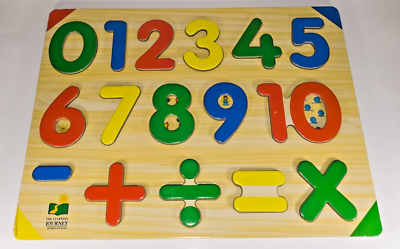
Credit: www.ebay.com
Techniques To Decode The Puzzle
Decoding the numbers from the Toy Box Puzzle can feel like solving a secret code. You need clear techniques to break down the puzzle and understand what each number represents. These approaches will help you analyze the patterns, spot clues, and ultimately crack the puzzle with confidence.
Analyzing Number Patterns
Start by looking for repeating sequences or groups of numbers. Are some numbers appearing more often than others? Identifying patterns can reveal hidden relationships or rules behind the puzzle.
Try writing down the numbers in different ways—such as rows, columns, or even splitting them into pairs. This simple shift in perspective often uncovers connections you might have missed.
Using Frequency Analysis
Count how many times each number appears throughout the puzzle. Numbers that show up frequently might represent common letters or actions.
This technique is especially useful if the puzzle is coded with a substitution system. You might find that some numbers stand for vowels or common consonants, giving you a foothold to decode further.
Cross-referencing With Clues
Look for any hints provided alongside the puzzle. Sometimes, clues point to what the numbers could mean—such as dates, toy types, or quantities.
Match the numbers with these hints to see if they correspond logically. This step can narrow down possibilities and steer your decoding in the right direction.
Testing Hypotheses Systematically
Once you have a guess about what certain numbers mean, test it by applying the idea to the whole puzzle. Does it make sense consistently? If not, tweak your hypothesis and try again.
Keep notes of what works and what doesn’t. This trial-and-error approach helps you refine your understanding and avoid getting stuck on false leads.
Using Visual Aids
Sometimes, writing the numbers out visually can help. Create charts or grids to organize the data clearly.
You might discover patterns or sequences that aren’t obvious when looking at the numbers in a simple list. Visual aids make complex information easier to digest and analyze.

Credit: www.ebay.com
Frequently Asked Questions
What Do The Numbers In The Toy Box Puzzle Represent?
The numbers in the Toy Box puzzle represent clues or codes that guide players to solve the puzzle. They often correspond to positions, sequences, or hidden messages needed to unlock the next step.
How Can I Decode The Toy Box Puzzle Numbers?
To decode the Toy Box puzzle numbers, analyze patterns, use common ciphers, or apply logic rules provided within the puzzle. Sometimes, numbers relate to letters, colors, or objects within the game context.
Why Are The Toy Box Puzzle Numbers Important?
The Toy Box puzzle numbers are crucial because they hold the key to progression. Understanding these numbers helps solve the puzzle efficiently and reveals hidden secrets or rewards.
Are The Toy Box Puzzle Numbers Random Or Meaningful?
The Toy Box puzzle numbers are meaningful, not random. Each number is carefully placed to create a logical challenge that players must decipher.
Conclusion
The numbers in the Toy Box Puzzle add fun and challenge. Each number guides your next move or unlocks a new clue. Understanding them helps you solve the puzzle faster. It makes the game more exciting and rewarding. Try to see the pattern behind the numbers.
Enjoy the process and learn with each step. The puzzle is not just about numbers, but also about thinking smart. Keep practicing, and you will get better every time.