

Have you ever wondered how something as simple as a toy can boost your child’s learning? Toys do more than just entertain—they spark curiosity, improve skills, and make education fun.
When you choose the right toys, you’re giving your child tools to explore new ideas and build important abilities. Keep reading to discover how toys can turn playtime into powerful learning moments that benefit your child’s growth in surprising ways.

Credit: www.milamillie.com
Cognitive Skills Boost
Toys do more than entertain; they serve as powerful tools to boost cognitive skills in children. Engaging with toys challenges the brain, encouraging active thinking and mental growth. This section shows how toys help improve problem-solving, memory, attention, and language abilities, shaping a child’s learning journey.
Problem Solving Through Play
Toys like puzzles and building blocks push you to think critically. They require figuring out how pieces fit together or how to create a stable structure. This process sharpens your ability to analyze situations and come up with solutions.
Have you noticed how kids keep trying different ways to solve a puzzle? That persistence builds resilience and flexible thinking—skills you need every day. Problem-solving toys encourage trial and error, helping you learn from mistakes instead of fearing them.
Enhancing Memory And Attention
Memory games and matching cards are simple yet effective toys for training your brain. They make you focus on details and remember patterns or sequences. This repeated practice improves both short-term and long-term memory.
Attention spans grow stronger when toys demand concentration. For example, board games often require you to pay attention to the rules and other players’ moves. This kind of engagement teaches you to stay alert and process information carefully.
Language Development
Toys that involve storytelling, word games, or role-playing boost your vocabulary and communication skills. Talking through scenarios or describing what’s happening encourages you to use new words and form sentences.
Think about how playing with dolls or action figures can spark conversations. You create dialogues and narratives that practice language naturally. This kind of play makes learning new words fun and meaningful.

Credit: www.youtube.com
Social And Emotional Growth
Toys play a vital role in a child’s social and emotional growth. They create situations where kids learn to interact with others. Through play, children develop skills that help them understand feelings, build friendships, and gain confidence.
Sharing And Cooperation
Toys encourage children to share and take turns. Playing with others teaches cooperation and teamwork. Kids learn to listen, wait, and respect others’ ideas. These skills help in group activities and classroom settings.
Emotional Expression
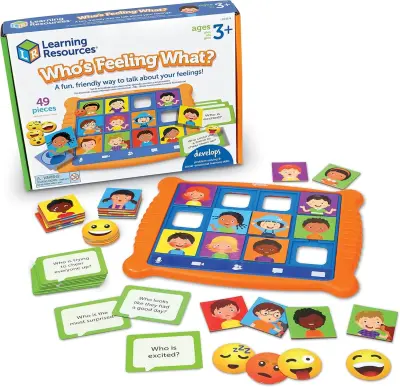
Toys help children express their emotions safely. Dolls, action figures, and role-play sets allow kids to act out feelings. This practice helps them understand their own emotions and those of others. It supports better emotional control and empathy.
Building Confidence
Playing with toys helps children try new things and solve problems. Success in play boosts their self-esteem. Children feel proud when they complete a task or create something. This confidence encourages them to face challenges in real life.
Physical Development Benefits
Physical development is a crucial part of early education, and toys play a significant role in helping children build essential skills. Through play, kids naturally practice movements that strengthen their muscles and improve coordination. These activities lay the foundation for independence and confidence in daily tasks.
Fine Motor Skills
Fine motor skills involve small muscle movements, especially in the hands and fingers. Toys like building blocks, puzzles, and threading beads encourage children to grasp, pinch, and manipulate objects. These actions improve hand-eye coordination and prepare your child for writing and self-care tasks.
Have you noticed how your child’s ability to button a shirt or hold a crayon improves after spending time with these toys? This shows how targeted play supports their growing dexterity and control.
Gross Motor Coordination
Gross motor skills focus on larger movements involving arms, legs, and the whole body. Toys such as balls, tricycles, and climbing structures challenge kids to run, jump, and balance. These activities enhance strength, coordination, and spatial awareness.
Encouraging your child to play outside with these toys not only builds physical skills but also boosts their confidence as they master new movements. What new games can you introduce today to get them moving more?
Sensory Exploration
Sensory toys stimulate the senses—touch, sight, sound, and even smell. Items like textured balls, musical instruments, and sensory bins help children understand and respond to the world around them. This sensory input is essential for brain development and learning.
When your child explores different textures or sounds, they’re practicing focus and curiosity. Consider offering a variety of sensory toys to keep their experiences fresh and engaging.
Credit: thoughtfulparent.com
Choosing Educational Toys
Choosing the right educational toys can shape how children learn and explore the world around them. It’s not just about picking colorful or popular items; it’s about selecting toys that truly engage their minds and encourage skill development. Your choices can spark curiosity and build a strong foundation for lifelong learning.
Age-appropriate Selections
Picking toys that match your child’s age is crucial. Toys too advanced can cause frustration, while those too simple might bore them quickly. Look for age recommendations on packaging, but also observe your child’s individual abilities and interests.
For example, toddlers benefit from toys that develop motor skills, like stacking blocks or shape sorters. Older kids might enjoy puzzles or word games that challenge their reasoning and vocabulary. Are you noticing your child’s readiness for more complex tasks?
Stem And Creative Toys
Toys that focus on science, technology, engineering, and math (STEM) encourage problem-solving and critical thinking. Building kits, coding games, and simple science experiments can make these subjects approachable and exciting. Creativity also plays a key role—art supplies, musical instruments, and open-ended construction sets let children invent and express themselves.
Combining STEM with creative play often leads to deeper engagement. Have you seen how building a robot or crafting a unique design can hold your child’s attention longer than passive screen time?
Balancing Fun And Learning
Educational toys should never feel like a chore. The best toys mix learning with enjoyment, so children want to play again and again. Look for items that offer multiple ways to play or that grow with your child’s skills.
Consider how your child reacts: do they smile and ask to play more? If not, you might want to switch to something more entertaining or interactive. How often do you revisit and rotate toys to keep your child’s interest alive?
Frequently Asked Questions
How Do Toys Help Develop Cognitive Skills In Children?
Toys stimulate brain activity by encouraging problem-solving and critical thinking. They enhance memory, attention, and creativity in young learners through interactive play.
Can Educational Toys Improve Language And Communication Skills?
Yes, educational toys promote vocabulary growth and language comprehension. They encourage children to express ideas, ask questions, and engage in meaningful conversations.
What Role Do Toys Play In Social And Emotional Learning?
Toys foster cooperation, sharing, and empathy. They help children understand emotions and build social skills by playing with peers in group settings.
How Do Toys Support Stem Learning For Kids?
STEM toys introduce science, technology, engineering, and math concepts through hands-on experiments. They make learning fun and encourage curiosity and innovation.
Conclusion
Toys play a vital role in educational development. They make learning fun and engaging. Children grasp concepts better through play. Interactive toys boost problem-solving skills. They also enhance creativity and imagination. Social skills improve as kids play together. Language skills grow with storytelling toys.
Educational toys lay a strong foundation for future learning. Parents can choose toys that match their child’s interests. This ensures effective learning. Remember, learning through play is enjoyable. And it’s beneficial for children. So, choose toys wisely and support your child’s education journey.