

Have you ever wondered how something as simple as a toy can shape your child’s learning and growth? Toys are not just for fun—they play a powerful role in developing important skills.
When you choose the right toys, you’re opening doors to creativity, problem-solving, and even social skills. Imagine giving your child a tool that makes learning feel like play. Curious to find out how toys can boost educational development and help your child thrive?
Keep reading, because what you’ll discover might change the way you think about playtime forever.
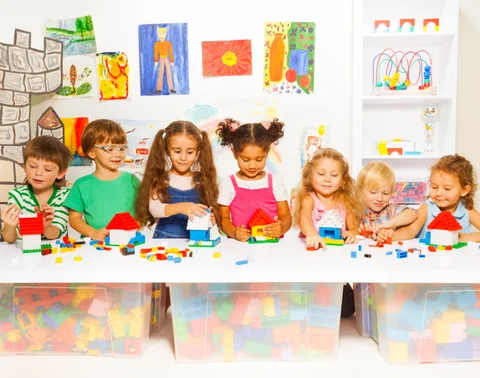
Credit: www.communicationclubhouse.com
Role Of Toys In Cognitive Growth
Toys play a significant role in cognitive growth by actively engaging a child’s brain. They challenge children to think critically, recognize patterns, and understand cause and effect. This interaction boosts mental development in ways that feel like play rather than work.
Enhancing Problem-solving Skills
Toys that require assembly, like building blocks or puzzles, push your child to figure things out step-by-step. These toys encourage trial and error, which is essential for developing problem-solving abilities. When your child finally fits the last piece or completes a structure, they experience a rewarding sense of achievement that fuels their curiosity.
Consider how a simple puzzle can teach patience and strategy. Have you noticed how kids adjust their approach when a piece doesn’t fit? This adaptability is a key cognitive skill that toys help nurture.
Boosting Memory And Attention
Memory games and toys that involve sequences or patterns improve your child’s ability to focus and recall information. Playing these games regularly can increase attention span, which is crucial for learning in school and everyday life.
When children try to remember where a matching card is or the order to press buttons, they train their brain to hold and process information. This practice sharpens both short-term and long-term memory.
- Matching card games build recognition and recall.
- Sequencing toys improve logical thinking and focus.
- Interactive toys demand attention to detail and quick responses.
Have you ever seen a child get completely absorbed in a memory game? That focused engagement is a sign of their cognitive growth in action.
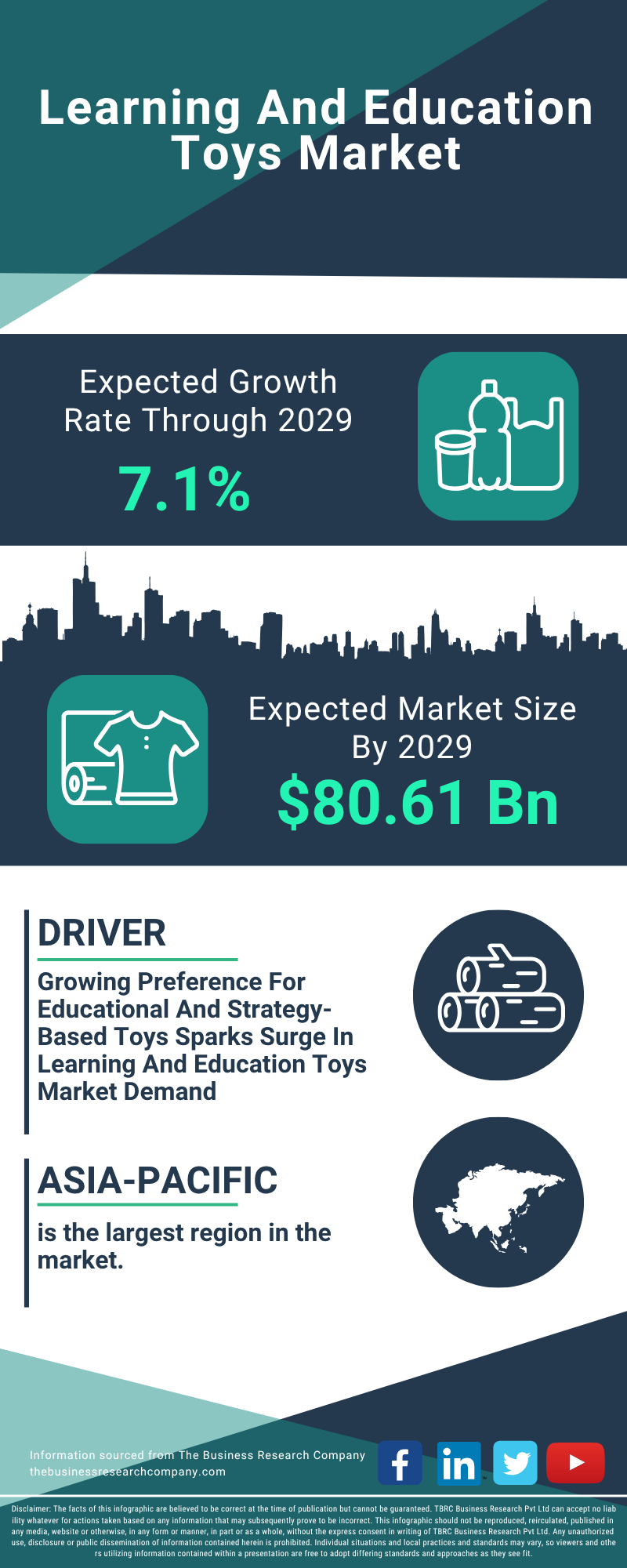
Credit: www.thebusinessresearchcompany.com
Toys And Social-emotional Learning
Toys play a powerful role in shaping social-emotional learning in children. Through play, kids learn how to interact, express feelings, and understand others. This process helps build crucial skills that go beyond academics and influence their overall development.
Encouraging Cooperation And Sharing
Toys that require multiple players promote teamwork naturally. Think of board games or building sets where children must work together to succeed. These toys teach kids how to take turns, listen, and negotiate.
You might notice that when your child plays with friends using shared toys, they learn patience and respect. For example, a simple game of building blocks can turn into a lesson on cooperating to complete a structure. Have you observed how your child handles waiting for their turn or resolving small disputes during play?
Building Empathy Through Play
Role-playing toys like dolls, action figures, or play kitchens allow children to step into someone else’s shoes. Acting out different scenarios helps them understand feelings and perspectives beyond their own.
When your child pretends to care for a doll, they practice nurturing and compassion. This kind of play encourages them to recognize emotions in others, which is a key part of empathy. How often do you see your child showing concern or kindness after engaging with these toys?
Stem Learning Through Play
STEM learning through play helps children explore science, technology, engineering, and math naturally. Toys designed for STEM encourage hands-on experiences and curiosity. Kids learn by building, experimenting, and solving problems in fun ways. This approach makes complex ideas easier to understand and remember. Play becomes a powerful tool for developing important skills early on.
Introducing Basic Science Concepts
Toys can teach children simple science ideas like gravity, motion, and energy. For example, a ball rolling down a ramp shows gravity in action. Kids observe cause and effect while playing. Science kits with magnets, plants, or water experiments allow children to test ideas. These activities develop critical thinking and spark interest in how the world works.
Developing Math And Engineering Skills
Building blocks and puzzles improve math and engineering skills. Children learn shapes, sizes, and patterns by sorting and stacking. Counting pieces enhances number recognition and basic arithmetic. Engineering toys encourage design and construction, fostering creativity and problem-solving. Kids practice planning and testing their ideas, gaining confidence in their abilities.
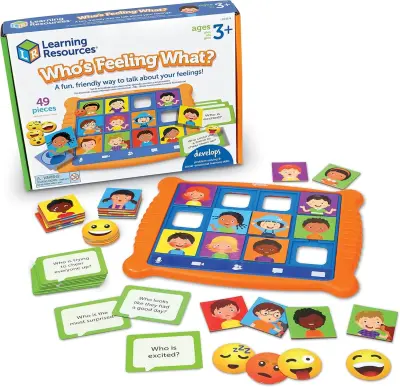
Credit: thoughtfulparent.com
Selecting Toys For Maximum Learning
Selecting toys for maximum learning means choosing items that boost skills and knowledge. Toys should match the child’s stage of growth. They must also be fun to keep the child interested. The right toys help children explore, solve problems, and develop creativity.
Choosing wisely supports brain development and social skills. Educational toys can inspire curiosity and encourage active play. This leads to better learning experiences and happy children.
Age-appropriate Toy Choices
Children’s needs change as they grow. Toys for toddlers differ from those for school-age kids. Age-appropriate toys ensure safety and help build proper skills.
- For babies, soft toys and simple shapes are best.
- Preschoolers benefit from puzzles and building blocks.
- Older kids enjoy science kits and creative art sets.
Always check the recommended age on the toy packaging. This helps avoid frustration and keeps playtime safe.
Balancing Fun And Educational Value
Toys must be enjoyable to hold a child’s attention. Fun play leads to longer engagement and better learning. Educational value means the toy teaches something useful.
- Look for toys that encourage problem-solving.
- Choose items that promote imagination and creativity.
- Pick toys that build fine motor skills or language.
Combining fun with learning makes playtime productive. Kids learn best when they enjoy what they do.
Frequently Asked Questions
How Do Toys Enhance Cognitive Skills In Children?
Toys stimulate brain development by encouraging problem-solving and critical thinking. They help children learn patterns, shapes, and cause-effect relationships, boosting memory and attention span effectively.
Can Educational Toys Improve Language Development?
Yes, educational toys promote language skills by encouraging conversation, vocabulary building, and storytelling. Interactive toys foster communication, helping children understand new words and express ideas clearly.
What Role Do Toys Play In Social Development?
Toys encourage sharing, cooperation, and teamwork among children. Playing with others using toys helps develop empathy, turn-taking, and conflict resolution skills crucial for social growth.
How Do Toys Support Motor Skill Development?
Toys requiring manipulation, like building blocks or puzzles, enhance fine motor skills and hand-eye coordination. Physical play with toys also improves gross motor abilities and body control.
Conclusion
Toys play a key role in educational development. They make learning fun and interactive. Children grasp concepts faster with hands-on play. Toys help develop cognitive and motor skills. They also encourage creativity and problem-solving. Social skills improve as kids play together.
Parents should choose toys that match their child’s learning stage. This ensures effective educational growth. Always consider age-appropriate options for safety. Toys are more than just fun; they are valuable learning tools. They enrich a child’s mind and prepare them for the future.
Invest in toys that nurture and educate.