

Are you wondering if Clorox wipes are safe for cleaning your baby’s toys? You’re not alone.
As parents, you want to ensure every part of your child’s environment is clean and safe. After all, toys are your baby’s constant companions, and they often end up in tiny mouths. The challenge is finding a cleaning method that’s both effective and safe.
You’ve heard about Clorox wipes and their powerful cleaning abilities, but are they suitable for your little one’s playthings? We will explore everything you need to know about using Clorox wipes on baby toys, helping you make informed decisions for your child’s well-being. Stay with us as we delve into practical tips and expert advice that might just surprise you.

Credit: www.reddit.com
Safety Of Clorox Wipes On Baby Toys
Keeping baby toys clean is important for your child’s health, but you might wonder if Clorox wipes are safe for this task. These wipes are powerful disinfectants, but their safety on baby toys depends on how you use them and the type of toy you’re cleaning.
Many parents, including myself, have reached for Clorox wipes in a pinch, but I always make sure to rinse the toys well afterward. It’s easy to forget that residue from disinfectants can irritate your baby’s sensitive skin or cause other issues if ingested.
Understanding The Ingredients In Clorox Wipes
Clorox wipes contain chemicals like sodium hypochlorite and other disinfectants designed to kill germs quickly. These ingredients are effective but can be harsh if left on surfaces without wiping them off thoroughly.
Knowing what’s in the wipes helps you decide if they are suitable for your baby’s toys, especially if the toys go straight into your baby’s mouth.
Types Of Baby Toys Safe To Clean With Clorox Wipes
Hard plastic toys and non-porous surfaces are generally safe to clean with Clorox wipes. These materials don’t absorb chemicals, making it easier to remove residue with a quick rinse or wipe afterward.
However, avoid using Clorox wipes on soft, porous, or fabric toys, as the chemicals can soak in and be difficult to remove completely.
Tips For Safely Using Clorox Wipes On Baby Toys
- Wipe the toy thoroughly, then rinse with water to remove any leftover chemicals.
- Allow the toy to air dry completely before giving it back to your baby.
- Use Clorox wipes only occasionally, not as a daily cleaning method, to reduce chemical exposure.
- Check the toy’s label for cleaning instructions to avoid damage or unsafe cleaning practices.
Are you sure your cleaning routine protects your baby without introducing new risks? Taking a moment to rinse and dry toys after disinfecting can make a big difference in keeping your baby safe and healthy.

Credit: www.inspirerendehobby.no
Steps To Clean Toys Using Clorox Wipes
Cleaning your baby’s toys with Clorox wipes can be quick and effective if done right. It’s important to follow certain steps to ensure the toys are sanitized without leaving harmful residues. Let’s break down the process so you can confidently keep your little one’s playthings safe and clean.
Prepare The Toys Before Wiping
Start by removing any visible dirt or grime from the toys. If the toy has small parts or cracks, use a soft brush or cloth to clean those areas first.
Dry toys wipe better, so make sure they are free from sticky residue or mud before you reach for the Clorox wipes.
Use Clorox Wipes On Hard Surfaces
Gently wipe all hard surfaces of the toy with the Clorox wipe. Pay close attention to spots your baby touches often, like handles or buttons.
Don’t forget to clean the underside and any grooves where germs love to hide. Avoid soaking the toy; a light wipe is enough.
Let The Toys Air Dry Completely
After wiping, place the toys on a clean surface to air dry. This step is crucial because the disinfectant needs time to work and evaporate.
Resist the urge to rush and use a cloth to dry them, as that may remove the disinfecting agent prematurely.
Rinse Toys That Go In Baby’s Mouth
If your baby often puts the toy in their mouth, rinse it with water after it has dried. This reduces any chemical residue left from the Clorox wipes.
Does this extra step seem tedious? Consider it a small price for your peace of mind and your baby’s health.
Store Clean Toys Properly
Keep cleaned toys in a clean, dry place to avoid recontamination. A dedicated toy box or shelf works well.
Regular cleaning can be part of your routine, especially for toys your baby uses daily.
Alternative Cleaning Methods For Baby Toys
Keeping baby toys clean is crucial for your child’s health, but using harsh chemicals like Clorox wipes isn’t always the best choice. Luckily, there are gentle and effective alternative cleaning methods that you can try at home. These options help maintain toy safety without compromising cleanliness.
Soap And Warm Water
Soap and warm water is a simple, reliable way to clean most baby toys. Use mild dish soap and scrub gently with a soft cloth or sponge. Rinse thoroughly to remove any soap residue before letting the toys air dry.
I remember cleaning my toddler’s plastic toys this way—it was quick and didn’t leave a strong chemical smell, which she appreciated. This method works great for hard, non-porous toys.
Vinegar Solution
White vinegar mixed with water creates a natural disinfectant that’s safe for baby toys. Mix equal parts vinegar and water in a spray bottle and wipe the toys down. Vinegar’s acidity kills many germs without harmful chemicals.
If you worry about the vinegar smell, don’t. It fades fast once the toys dry. Ever tried this? You might be surprised by how fresh your baby’s toys smell afterward.
Dishwasher Cleaning
Many plastic and silicone toys can go straight into the dishwasher for a thorough clean. Place toys on the top rack and avoid harsh detergents. The hot water and steam sanitize toys effectively without extra effort.
This method saved me time after long playdates—just load and go. Always check the toy’s label to ensure it’s dishwasher safe before trying this.
Boiling Water
Boiling water is a quick way to sterilize small, heat-resistant toys. Simply submerge the toys in boiling water for a few minutes, then remove and let cool. This kills most bacteria and viruses without chemicals.
Just be careful not to burn yourself or use this on toys with electronic parts. Have you ever tried this with rubber bath toys? It works wonders for mold removal.
Baking Soda Paste
Baking soda can tackle tough stains and odors on baby toys. Mix it with a little water to create a paste, apply it to the toy, and scrub gently. Rinse well afterward to remove any residue.
This method helped me remove stubborn grime from outdoor toys after a messy day at the park. It’s a gentle way to clean without harsh chemicals.
Which of these methods fits your routine best? Trying different approaches can help you find the safest, easiest way to keep your baby’s toys clean and happy.
Tips To Ensure Toys Are Safe After Cleaning
Keeping baby toys clean is essential for your child’s health. Using Clorox wipes can help remove germs effectively. Still, some steps make sure toys stay safe after cleaning. Follow these simple tips to protect your baby from harmful chemicals and bacteria.
Rinse Toys Thoroughly After Wiping
Clorox wipes contain disinfectants that should not be ingested. Rinse toys well with water after wiping. This removes any leftover chemicals on the surface. Use warm water and a clean cloth or rinse under running water. Let toys air dry completely before giving them back to your child.
Choose Non-toxic Toys For Easier Cleaning
Select toys made from materials that tolerate frequent cleaning. Avoid porous or soft toys that absorb chemicals easily. Hard plastic or silicone toys are safer to clean with disinfecting wipes. They dry quickly and do not hold moisture, lowering the risk of germs.
Check Toy Labels For Cleaning Instructions
Always read the manufacturer’s guidelines before cleaning. Some toys may not react well to strong disinfectants. Use mild soap and water for delicate or fabric toys. Follow instructions to avoid damage or unsafe residues on toys.
Store Cleaned Toys Properly
Keep cleaned toys in a dry, clean place. Avoid damp areas that encourage mold or bacteria growth. Use storage bins with lids or sealed bags. This keeps toys free from dust and dirt between uses.
Inspect Toys Regularly For Damage
Look for cracks, chips, or worn areas on toys. Damaged toys can harbor germs in hard-to-clean spots. Replace any toys that show signs of wear. Safe toys reduce the risk of infection and keep playtime healthy.
Credit: www.snopes.com
Frequently Asked Questions
Can I Safely Use Clorox Wipes On Baby Toys?
Yes, you can use Clorox wipes on baby toys, but avoid toys that go in the mouth. Always rinse toys after wiping to remove chemical residue and ensure safety for babies.
Are Clorox Wipes Effective In Killing Germs On Toys?
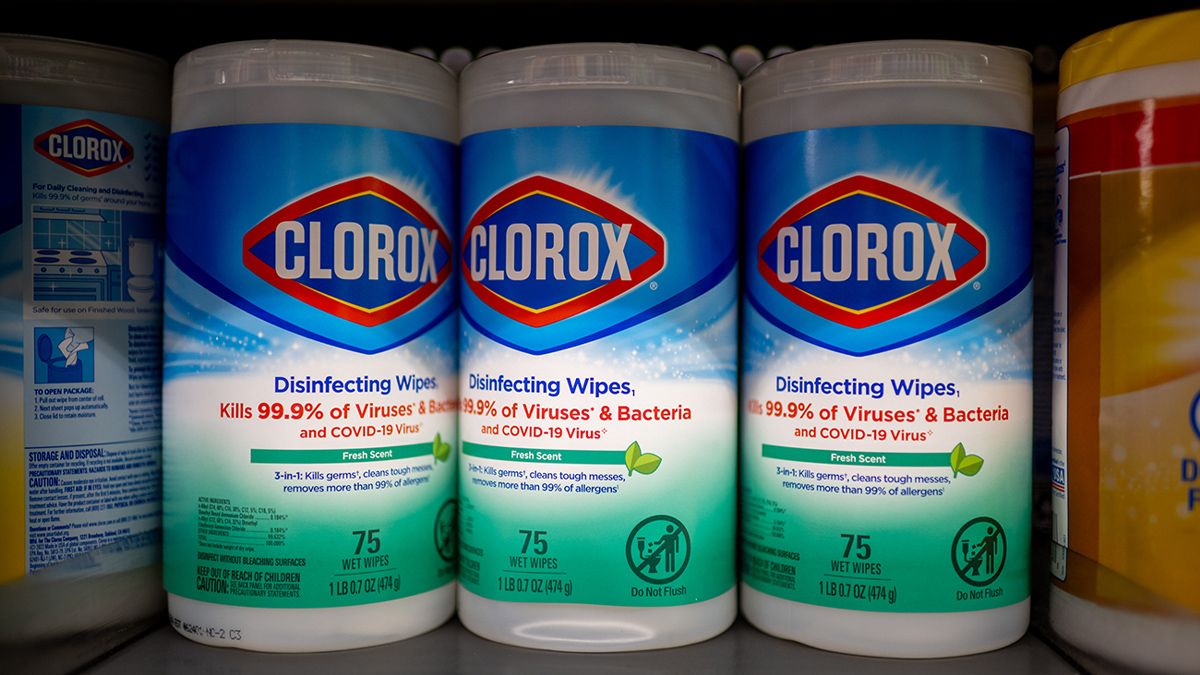
Clorox wipes kill 99. 9% of bacteria and viruses on hard surfaces, making them effective for disinfecting baby toys. Use them according to package instructions for best results.
How To Clean Baby Toys With Clorox Wipes Properly?
Wipe the toy thoroughly with a Clorox wipe, then let it air dry. For toys used by infants, rinse with water after wiping to remove chemicals.
Can Clorox Wipes Damage Baby Toys?
Clorox wipes may damage some plastic or painted toys if used excessively. Test a small area first and avoid use on porous or fabric toys.
Conclusion
Clorox wipes can clean baby toys but use them with care. Always check the toy’s label for cleaning instructions first. Wipe toys gently and let them dry completely before giving them back to your child. Avoid using wipes on soft or porous toys.
Cleaning regularly keeps toys safe from germs. Choose safe cleaning methods to protect your baby’s health. Simple steps help keep playtime fun and clean. Remember, safety comes first when cleaning baby items.