

When it comes to your baby, safety is your top priority. Those little hands constantly explore, and every new discovery seems to end up in their mouth.
Baby toys are no exception. While these toys bring joy and learning, they can also harbor unseen germs. You might wonder, “How can I keep my baby safe from these hidden dangers? ” The good news is, you’re not alone, and there’s a simple solution.
In this guide, we’ll reveal the best ways to disinfect baby toys that go in your baby’s mouth, ensuring peace of mind for you and a safe playtime for your little one. Keep reading to learn the secrets of maintaining a germ-free environment for your precious child.
Credit: www.familyhandyman.com
Choosing Safe Disinfectants
Choosing safe disinfectants for baby toys that go in the mouth is essential. Babies explore the world by putting toys in their mouth. This makes it important to keep toys clean without using harmful chemicals. Safe disinfectants protect babies from germs and avoid health risks. Always check the ingredients before selecting a disinfectant. A gentle yet effective cleaner is best.
Non-toxic Ingredients
Non-toxic ingredients ensure the disinfectant is safe for babies. These ingredients do not cause irritation or poisoning. Look for labels stating “non-toxic” or “baby-safe.” Common safe ingredients include:
- Water
- Vinegar
- Plant-based surfactants
- Essential oils in low amounts
Products with natural, simple ingredients reduce the risk of allergic reactions.
Avoiding Harsh Chemicals
Avoid disinfectants with harsh chemicals. These can harm a baby’s sensitive skin and health. Common chemicals to skip are:
- Bleach
- Ammonia
- Phthalates
- Parabens
- Formaldehyde
Harsh chemicals can leave residues on toys. Babies might ingest these residues when chewing toys.
Natural Alternatives
Natural alternatives offer safe cleaning without toxic effects. These options include:
- White vinegar diluted with water
- Baking soda paste
- Soap made from plant oils
- Steam cleaning
Natural methods kill germs and keep toys safe for babies. They also avoid chemical smells that babies dislike.
Credit: babycr.net
Cleaning Before Disinfecting
Cleaning baby toys before disinfecting removes visible dirt and germs. This step makes disinfecting more effective and safer for your child. Toys that go in the mouth need extra care to keep your baby healthy.
Removing Dirt And Debris
Start by checking the toy for food crumbs, dust, or grime. Use a soft brush or cloth to wipe away loose dirt. For toys with small parts, clean crevices carefully to reach hidden areas. Removing all debris ensures disinfectants work better.
Washing With Soap And Water
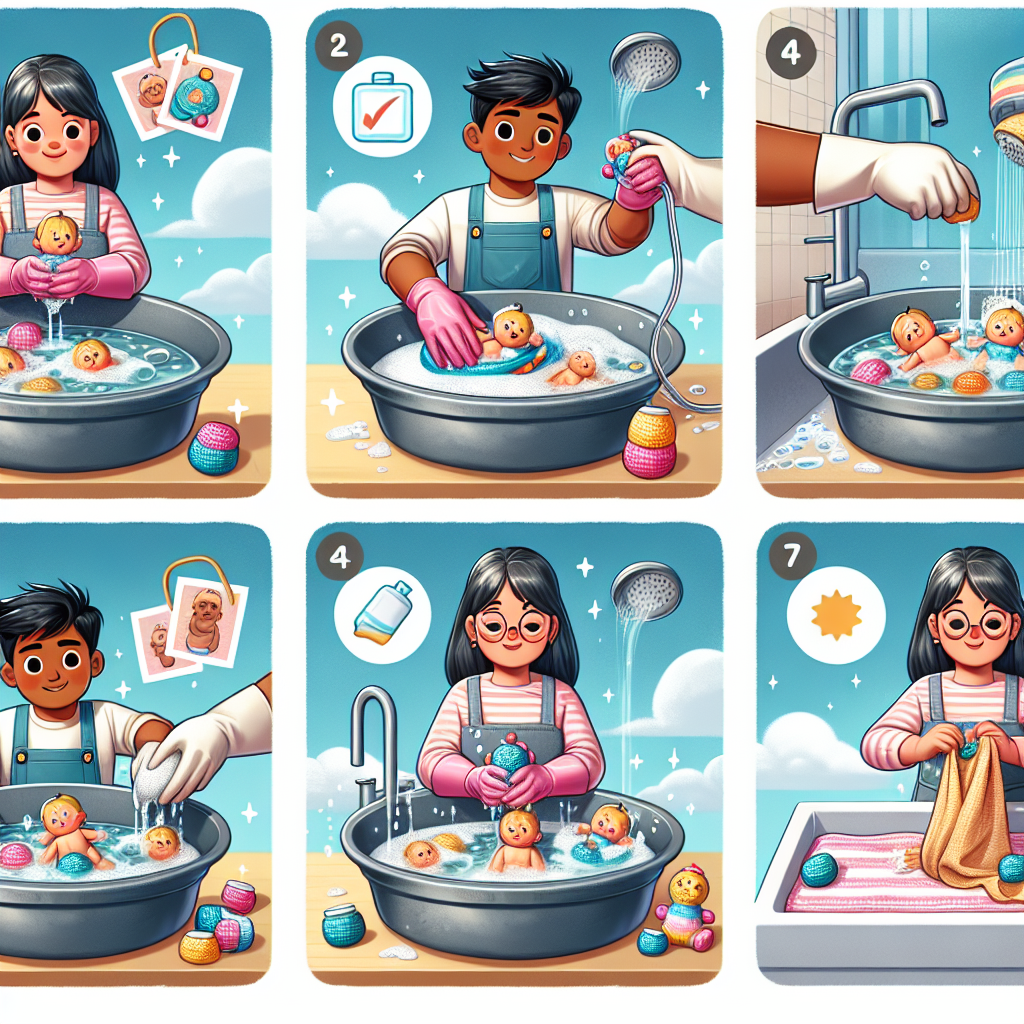
Fill a basin with warm water and mild soap. Use a sponge or cloth to wash the toy thoroughly. Pay attention to all surfaces, including handles and corners. Rinse well to remove all soap, which can irritate your baby’s mouth.
Drying Techniques
Dry toys completely before disinfecting. Use a clean towel to wipe off excess water. Air drying on a clean surface works well for most toys. Avoid dampness to prevent mold growth and keep toys safe for use.
Disinfecting Methods For Different Materials
Different materials need different care when disinfecting baby toys, especially those that end up in your little one’s mouth. Using the wrong method can damage the toy or leave harmful residues. Knowing how to properly clean plastic, fabric, and wooden toys helps keep your baby safe and the toys in good shape.
Plastic Toys
Plastic toys are usually the easiest to disinfect. You can wash them with warm, soapy water and then rinse well. To kill germs, wipe the toys with a solution of equal parts water and white vinegar or use a mild bleach solution (1 tablespoon bleach per 1 gallon of water), but be sure to rinse thoroughly afterward.
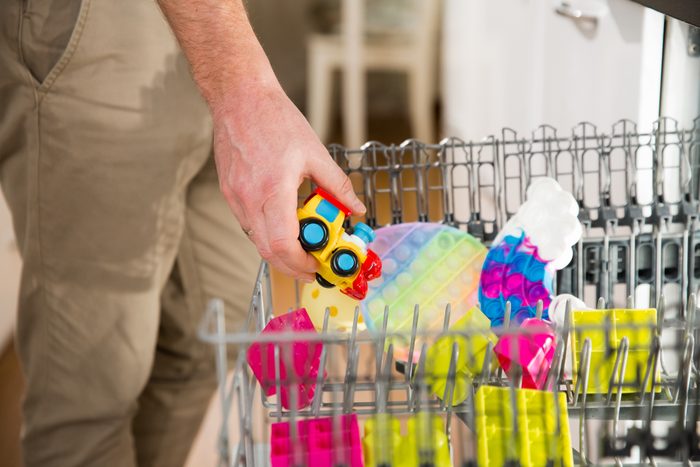
Many plastic toys can also be placed in the dishwasher’s top rack. Just check the manufacturer’s instructions first. This saves time and ensures a deep clean without scrubbing.
Fabric Toys
Fabric toys require more gentle cleaning. Most can be washed in the washing machine on a gentle cycle using baby-safe detergent. Use hot water if possible, as it helps kill bacteria.
For toys that can’t be machine washed, spot clean with a mixture of water and mild soap. You can also steam clean or use a fabric-safe disinfectant spray. Always check if the toy dries completely before giving it back to your baby to avoid mold growth.
Wooden Toys
Wooden toys need special care to prevent cracking or warping. Avoid soaking them in water. Instead, wipe them with a damp cloth and a small amount of mild soap.
To disinfect, use a cloth dipped in a vinegar-water solution or rub with a mixture of lemon juice and salt, then wipe clean with a damp cloth. Make sure the toy dries completely, preferably in sunlight, to prevent moisture damage.
:max_bytes(150000):strip_icc()/How-to-clean-baby-toys-5214136-3866d337300b4b13bed733b58b646ef4.png)
Credit: www.parents.com
Safety Tips For Parents
Keeping baby toys clean is important for your child’s health. Toys that go in the mouth can carry germs. Parents must follow safety tips to keep these toys safe and hygienic. Simple care can prevent sickness and keep your baby happy.
Frequency Of Disinfection
Clean toys regularly to reduce germs. Disinfect toys after each use if your baby is sick. For everyday play, clean at least once a week. Wash toys more often during cold and flu seasons. Avoid letting dirt build up on toys.
Storage After Cleaning
Dry toys completely before storing to stop mold growth. Keep toys in a clean, dry container with a lid. Avoid damp or dusty places. Use breathable bags for cloth toys to prevent mildew. Store toys where your baby cannot reach them unsupervised.
Checking For Damage
Inspect toys for cracks, sharp edges, or loose parts. Damaged toys can hurt your baby or trap germs. Throw away toys that are broken or worn out. Fix or replace toys showing signs of damage quickly. Safe toys protect your baby and last longer.
Frequently Asked Questions
How Often Should I Disinfect Baby Toys That Go In Mouth?
Disinfect baby toys weekly to minimize germ buildup. More frequent cleaning is needed if toys are shared or visibly dirty. Regular cleaning protects your baby from harmful bacteria and viruses effectively.
What Safe Methods Can I Use To Disinfect Baby Toys?
Use mild soap and warm water or a vinegar solution for safe disinfection. Avoid harsh chemicals. Boiling plastic toys or using a dishwasher on top rack also works well.
Can I Use Bleach To Disinfect Baby Toys Safely?
Diluted bleach can disinfect toys but use cautiously. Prepare a 1:10 bleach-to-water solution, soak toys briefly, then rinse thoroughly. Ensure toys are non-porous and safe for bleach use to avoid damage.
Are Natural Disinfectants Effective On Baby Toys?
Yes, natural disinfectants like white vinegar and baking soda are effective. They kill many germs without harsh chemicals. Always rinse toys well after using natural solutions to keep them safe for babies.
Conclusion
Keeping baby toys clean helps protect your little one’s health. Regularly wash toys with safe, gentle methods. Avoid harsh chemicals that can harm babies. Use warm water, mild soap, or steam to kill germs. Let toys dry completely before giving them back.
Clean toys often, especially those that go in the mouth. This simple habit reduces illness risks and keeps playtime safe. Remember, a clean toy means a happy, healthy baby. Small efforts make a big difference every day.