
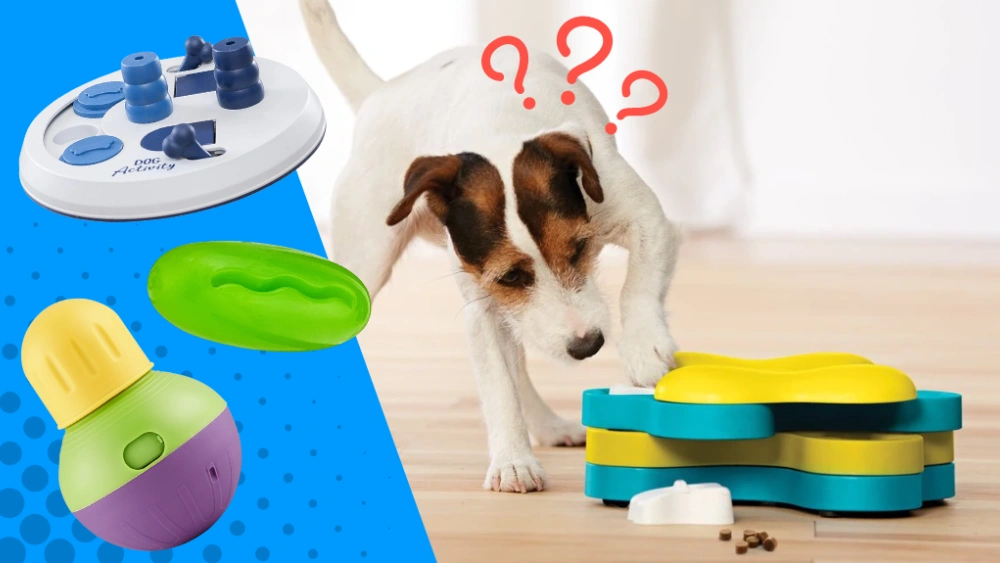
Imagine coming home after a long day, only to find your beloved dog has chewed through your favorite shoes. Frustrating, right?
But what if there was a fun and simple solution to keep your furry friend entertained and out of trouble? Puzzle toys for dogs might just be the answer you’ve been looking for. These clever toys are designed to stimulate your dog’s mind, keeping them engaged and reducing destructive behaviors.
But why exactly are they so important for your pet? Stick around, and you’ll discover how these intriguing toys can transform your dog’s daily routine, making life more enjoyable for both of you.

Credit: www.smartbark.co.uk
Benefits Of Puzzle Toys
Puzzle toys offer more than just fun for your dog—they provide essential benefits that contribute to their overall well-being. These toys challenge your dog’s mind, keep them engaged, and can even improve their behavior. Understanding these benefits can help you choose the right puzzle toys and make playtime more rewarding for your furry friend.
Mental Stimulation
Dogs need mental exercise just like they need physical activity. Puzzle toys engage your dog’s brain by encouraging them to think and solve problems. This stimulation helps prevent cognitive decline as dogs age and keeps their minds sharp throughout their life.
I noticed my own dog became calmer and more focused after regular sessions with a treat-dispensing puzzle. This shows how mental engagement can positively affect behavior.
Reduced Boredom
Boredom can lead to destructive behaviors like chewing furniture or excessive barking. Puzzle toys keep your dog busy and entertained, reducing the chances of boredom-driven mischief. A busy dog is usually a happy dog.
Have you ever come home to find your dog restless or anxious? Offering a puzzle toy can provide a healthy outlet for their energy and curiosity, especially when you’re not around.
Improved Problem-solving Skills
Each puzzle toy presents a unique challenge that encourages your dog to think creatively. Over time, your dog learns to approach problems with more confidence and skill. This improvement can translate into better learning during training sessions.
Try different types of puzzle toys to see how your dog adapts. You might be surprised at how quickly they figure out new challenges and develop patience in the process.

Credit: wearwagrepeat.com
Types Of Puzzle Toys
Puzzle toys come in many shapes and styles. Each type offers unique ways to challenge your dog’s mind and body. These toys keep dogs busy and reduce boredom. They also improve problem-solving skills and mental sharpness.
Choosing the right type depends on your dog’s interests and skill level. Here are some popular categories to consider.
Interactive Feeders
Interactive feeders mix playtime with mealtime. Dogs must figure out how to get food from the toy. These feeders slow down fast eaters and add mental exercise. They come in various designs, like mazes or spinning bowls. This type encourages natural foraging behavior.
Treat-dispensing Games
Treat-dispensing games release small treats when solved. Dogs push, pull, or slide parts to get rewards. These toys offer fun and motivation. They keep dogs engaged and focused. The challenge level can vary, suitable for beginners or experts.
Hide-and-seek Toys
Hide-and-seek toys hide treats or smaller toys inside compartments. Dogs use noses and paws to find hidden items. This type sharpens scent skills and curiosity. It encourages dogs to explore and think carefully. Perfect for dogs who love searching and sniffing.
Choosing The Right Puzzle Toy
Choosing the right puzzle toy for your dog helps keep them happy and sharp. It needs to fit their size, age, and skill level. A good puzzle toy offers fun and challenge without causing frustration. Safety is key to avoid harm or damage. Focus on these factors for the best choice.
Considering Dog’s Age And Size
Young puppies need simple puzzles to start. Older dogs may enjoy more complex challenges. Small dogs require smaller toys to handle easily. Large dogs need bigger, tougher puzzles to avoid swallowing hazards. Match the toy size and difficulty to your dog’s age and build.
Assessing Difficulty Levels
Start with easy puzzles for beginners. Watch your dog’s reaction to avoid boredom or stress. Increase difficulty as they get better at solving puzzles. Variety in challenge keeps their mind active. Choose puzzles that encourage problem-solving and reward patience.
Safety And Durability
Pick toys made of non-toxic materials. Avoid small parts that can break off and be swallowed. Durable construction stands up to chewing and rough play. Regularly check toys for wear and tear. Safe puzzle toys protect your dog and last longer.

Credit: www.companionanimalpsychology.com
Tips For Introducing Puzzle Toys
Introducing puzzle toys to your dog can open up a new world of mental stimulation and fun. But jumping straight into complex puzzles might overwhelm your furry friend. Taking a thoughtful approach helps ensure your dog stays interested and enjoys the challenge without frustration.
Starting Slow
Begin with simple puzzle toys that are easy for your dog to solve. Let your dog explore the toy without any treats first to get familiar with its texture and parts. Gradually add small treats inside so your dog learns that solving the puzzle leads to a reward.
I once noticed my dog getting frustrated with a tricky toy. Switching to a simpler one built her confidence and eagerness. Have you ever seen your dog give up quickly? Starting slow can prevent that and keep the experience positive.
Positive Reinforcement
Use praise and treats to encourage your dog when they make progress. Celebrate small wins, like pawing the toy or uncovering a hidden treat. This helps your dog associate the puzzle with fun and rewards, making them want to play more.
Try using a happy tone and gentle petting as soon as your dog interacts with the toy. Rewards don’t always have to be food; sometimes, a quick play session or a favorite toy can motivate your dog. How do you usually reward your dog’s good behavior?
Regular Rotation
Keep your dog’s interest by rotating puzzle toys regularly. Introducing the same toy every day can lead to boredom and less engagement. Switching toys every few days or weeks keeps the challenge fresh and exciting.
You can also vary the difficulty level during rotation—start with easier puzzles and then introduce harder ones. This mix helps maintain your dog’s mental sharpness and prevents frustration. What puzzles does your dog enjoy the most? Rotating might help you discover new favorites.
Frequently Asked Questions
What Are Puzzle Toys For Dogs?
Puzzle toys are interactive games that challenge dogs mentally and physically. They stimulate problem-solving skills and keep dogs engaged.
How Do Puzzle Toys Benefit My Dog’s Health?
Puzzle toys improve mental stimulation, reduce boredom, and encourage physical activity. They can also lower stress and prevent destructive behavior.
Can Puzzle Toys Help With Dog Anxiety?
Yes, puzzle toys distract anxious dogs by focusing their attention. This reduces stress and provides a calming effect through engagement.
Are Puzzle Toys Suitable For All Dog Breeds?
Most breeds enjoy puzzle toys, but complexity should match the dog’s age and skill level. Start simple and increase difficulty gradually.
Conclusion
Puzzle toys keep dogs busy and happy every day. They help dogs think and solve problems. This kind of play stops dogs from feeling bored or lonely. Dogs use their brains and bodies at the same time. Puzzle toys also help reduce bad behavior at home.
They make dogs feel calm and relaxed. Giving dogs puzzle toys shows you care about their health. Try different puzzles to see what your dog enjoys most. Keep your dog active and sharp with puzzle toys. They bring fun and learning together in one.