
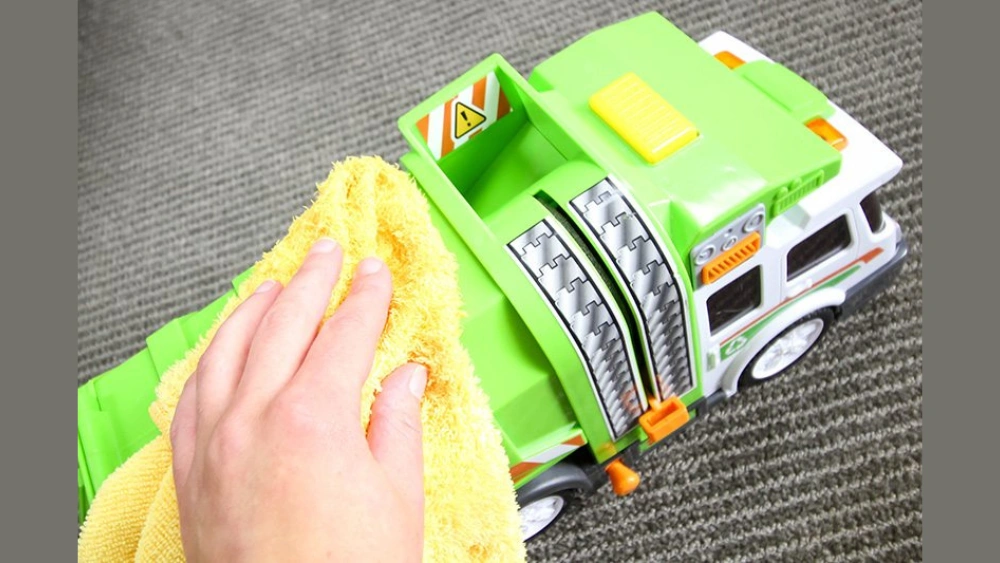
Keeping your child’s cloth toys clean is essential for their health and happiness. You might wonder how often you should clean these toys or what methods work best.
Maybe you’re worried about using harsh chemicals around your little one. Rest assured, you’re not alone. Many parents share these concerns and want to ensure their babies play with safe and germ-free toys. Imagine the peace of mind you’ll have knowing your baby’s favorite stuffed animals are not only soft and cuddly but also squeaky clean.
In this guide, we’ll walk you through simple and effective ways to clean cloth baby toys. Whether you’re dealing with everyday dirt or those occasional unexpected spills, you’ll learn how to keep those toys fresh and safe for your baby to enjoy.
.png?width=550&height=377&format=png&quality=80)
Credit: www.lysol.com
Choosing Safe Cleaning Methods
Choosing safe cleaning methods for cloth baby toys is crucial to protect your little one’s health. These toys often come into direct contact with your baby’s mouth, so you want to be extra cautious. Using the right techniques ensures the toys stay clean without damaging their fabric or safety features.
Check Care Labels
Always start by reading the care labels on your baby’s cloth toys. These labels provide important guidance on washing temperatures, drying instructions, and whether the toy can be machine washed or needs hand washing. Ignoring these instructions can lead to shrinking, color fading, or damage to delicate parts.
I once washed a beloved cloth toy without checking the label and ended up ruining its softness. That taught me to never skip this simple step. Have you ever had a favorite toy get damaged because you missed the care instructions?
Avoid Harsh Chemicals
Steer clear of bleach, strong detergents, and fabric softeners when cleaning baby toys. These substances can leave harmful residues that might irritate your baby’s sensitive skin or cause allergic reactions. Instead, opt for mild, baby-safe detergents or natural cleaning agents.
Using vinegar mixed with water or baking soda paste can be effective and gentle alternatives. You can even dilute baby shampoo in water for a safe wash. What natural cleaners have you tried that worked well for your baby’s toys?
Handwashing Techniques
Handwashing cloth baby toys is a gentle yet effective way to keep them clean and safe for your little one. It allows you to control the cleaning process carefully, protecting delicate fabrics and small parts. Let’s look at some key techniques that make handwashing both simple and thorough.
Use Mild Detergents
Choose a detergent that is free from harsh chemicals and fragrances. Baby-safe or hypoallergenic detergents work best because they reduce the risk of skin irritation. You don’t need much—just a small amount added to warm water will do the job.
Mix the detergent gently in a basin or sink before placing the toy inside. Avoid scrubbing too hard; a light squeeze or gentle rub will help loosen dirt without damaging the fabric. Have you noticed how even a tiny bit of detergent can create enough bubbles to clean effectively?
Proper Rinsing And Drying
Rinsing is as important as washing. Make sure to rinse the toy thoroughly in clean, cool water until no soap remains. Leftover detergent can cause skin irritation or attract dirt again.
After rinsing, press the toy gently to remove excess water. Avoid wringing, which can distort the shape or harm stitching. Lay the toy flat on a clean towel in a well-ventilated area to air dry completely. Do you have a spot in your home that stays dry and fresh? That’s the perfect place for drying toys.
Machine Washing Tips
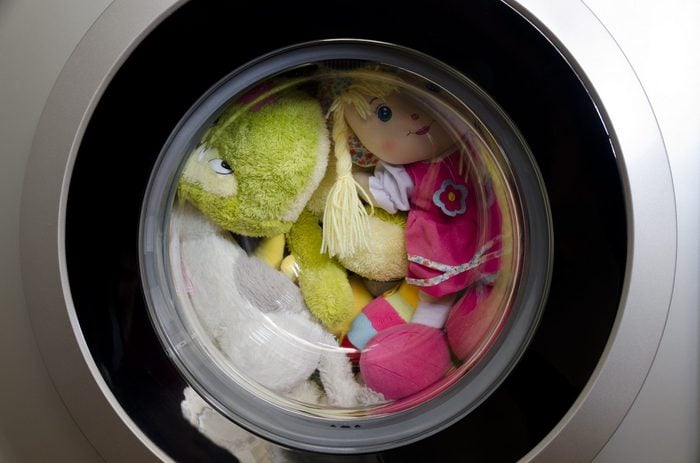
Machine washing cloth baby toys saves time and ensures thorough cleaning. Proper machine washing protects the fabric and keeps toys safe for babies. Follow simple tips to get the best results and extend toy life.
Select Gentle Cycles
Choose the gentle or delicate cycle on your washing machine. These cycles use slower spin speeds and less agitation. This protects the toy’s fabric and stuffing from damage. Warm or cold water works best to avoid shrinking or color fading. Avoid hot water, which can weaken the fabric and cause colors to run.
Use Laundry Bags
Place cloth baby toys inside mesh laundry bags before washing. Laundry bags prevent toys from tangling or tearing during the wash. They also keep small parts safe and prevent them from getting lost. Use bags with small holes to allow water and detergent to pass through easily. This keeps toys clean and protects your washing machine from damage.
Credit: www.familyhandyman.com
Maintaining Toy Hygiene
Keeping cloth baby toys clean is important for your child’s health. Toys can carry germs and dirt that cause illness. Regular cleaning stops bacteria and keeps toys fresh. A clean toy is safer and more pleasant for your baby to play with.
Regular Cleaning Schedule
Set a regular time to clean cloth toys. Washing them once a week works well. If toys get dirty or sticky, clean them sooner. Use gentle detergent and warm water for washing. Avoid harsh chemicals that can irritate your baby’s skin. Dry toys completely before giving them back to your child.
Storage Recommendations
Store cloth toys in a clean, dry place. Use breathable containers like fabric bins or mesh bags. Avoid plastic bags that trap moisture and cause mold. Keep toys away from pets and dirt. Regularly check stored toys for dust or damage. Proper storage helps keep toys hygienic and ready to use.

Credit: www.lysol.com
Frequently Asked Questions
How Often Should I Clean Cloth Baby Toys?
Clean cloth baby toys every one to two weeks. Frequent cleaning prevents bacteria buildup and keeps toys safe. Wash more often if toys are heavily used or soiled.
What Is The Safest Way To Wash Cloth Baby Toys?
Use mild detergent and warm water for hand washing. For machine wash, use a gentle cycle with cold water. Avoid bleach to protect fabric and colors.
Can I Put Cloth Baby Toys In The Dryer?
Air drying is best to maintain shape and softness. If using a dryer, choose low heat or air fluff settings. High heat may damage fabric and stuffing.
How Do I Remove Stains From Cloth Baby Toys?
Pre-treat stains with a gentle baby-safe stain remover. Soak in warm soapy water before washing. Avoid harsh chemicals that can irritate babies.
Conclusion
Cleaning cloth baby toys keeps them safe and fresh for your little one. Regular washing stops germs and dust from building up. Use gentle soap and warm water for best results. Dry toys completely to avoid mold and bad smells.
Clean toys often to help your baby stay healthy and happy. Simple steps make a big difference in toy care. Keep playtime fun and safe with clean cloth toys.