
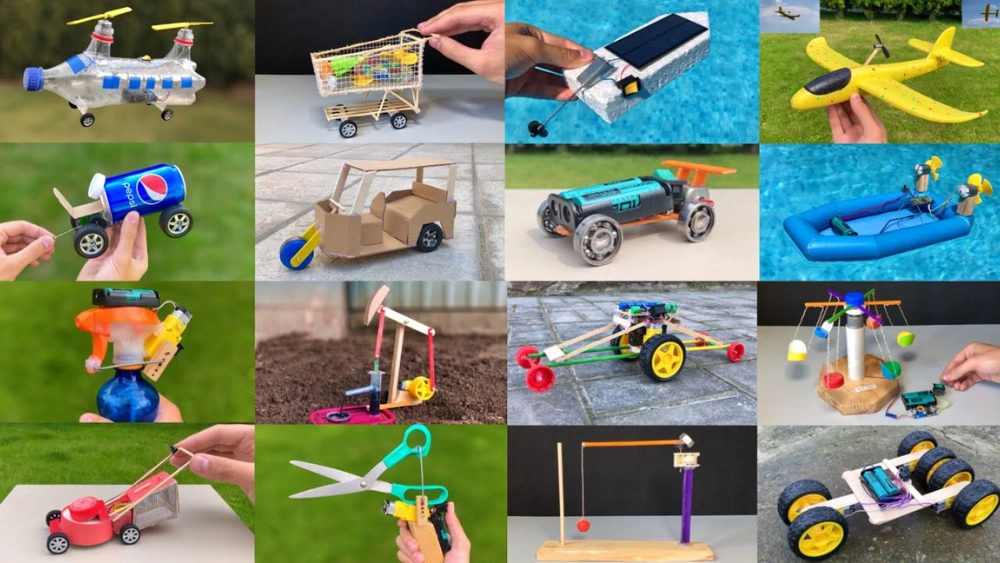
Are you ready to unleash your creativity and dive into the fun world of electronic toys? Imagine the joy of building a toy that not only lights up but also buzzes, moves, or even talks.
It’s easier than you think, and you don’t need to be a tech wizard to get started. With a few simple materials and some basic guidance, you can make your own electronic toys right at home. This guide is designed to walk you through the process step by step, ensuring you have fun while learning something new.
Whether you’re a parent looking for a fun project with your kids or a hobbyist eager to explore electronics, this article is for you. Discover the secrets to creating toys that will amaze and entertain, right at your fingertips. Let’s get started!
Basic Electronics Tools
Basic electronics tools are the foundation for creating simple electronic toys. These tools help you connect parts, test circuits, and build devices with ease. Having the right tools saves time and improves your work quality. Beginners can start with a small set of essential tools. As skills grow, you can add more specialized equipment.
Essential Components
- Soldering Iron:Joins electronic parts with melted solder.
- Wire Strippers:Remove insulation from wires cleanly and safely.
- Multimeter:Measures voltage, current, and resistance in circuits.
- Helping Hands:Holds small components steady while working.
- Small Screwdrivers:Tighten or loosen tiny screws in devices.
- Cutting Pliers:Cut wires and small parts accurately.
- Breadboard:Test circuits without soldering for quick changes.
- Insulated Wires:Connect components without short circuits.
Safety Tips
- Always work in a well-ventilated area to avoid fumes.
- Keep your workspace clean and organized to prevent accidents.
- Wear safety glasses to protect your eyes from solder splashes.
- Unplug tools when not in use to avoid electric shock.
- Handle the soldering iron carefully; it gets very hot.
- Do not touch exposed wires while the circuit is powered.
- Use a heat-resistant mat to protect surfaces from burns.
- Keep liquids away from electronic components and tools.

Credit: www.youtube.com
Simple Circuit Projects
Simple circuit projects are a fantastic way to dive into the world of electronic toys without feeling overwhelmed. These projects use basic components that are easy to find and safe to handle, making them perfect for beginners and kids alike. You’ll be surprised how much fun you can have while learning about electricity and circuits.
Creating simple toys with circuits helps you understand how electricity flows and how components like batteries, switches, and LEDs work together. Have you ever wondered how a small light can blink or how a buzzer can make noise with just a few wires? Let’s break down some easy projects that you can try right now.
Led Light Toys
LED light toys are one of the easiest electronic projects to start with. All you need is a battery, an LED, a resistor, and some wires. Connect the battery to the LED using the resistor to control the current, and you’ll have a bright little light toy that can be used as a nightlight or decoration.
Try creating different shapes by attaching LEDs to cardboard or plastic. You can even make a simple flashing light by adding a switch and a small circuit that turns the LED on and off. Have you tried mixing LED colors to see how they change the mood of your toy?
Buzzer Alarm
A buzzer alarm is a fun way to learn about sound in circuits. You’ll need a buzzer, a battery, a switch, and some wires. When you press the switch, the circuit closes, and the buzzer makes a sound, acting like a tiny alarm.
This project teaches you how switches control the flow of electricity to activate devices. You can build a simple door alarm or a timer alert with this circuit. What other sounds could you create by experimenting with different buzzers or adding multiple switches?
Building Moving Toys
Building moving toys is a fun way to learn about electronics and mechanics. These toys bring simple circuits to life with motion. Creating toys that move teaches basic principles of motors and power sources. It also sparks creativity and problem-solving skills. Start with easy projects that use small motors and batteries. Enjoy watching your toys come alive with simple movements.
Motorized Cars
Motorized cars are popular and easy to make. Use a small electric motor and connect it to wheels. A battery pack provides the power to run the motor. Attach the motor to the car body using glue or tape. Use wires to connect the battery and motor terminals. Switches help control the motor, turning the car on and off. Lightweight materials like plastic or cardboard work well for the car body. Test the car on a flat surface to see it move smoothly.
- Small electric motor
- Batteries (AA or AAA)
- Wheels and axles
- Car body (cardboard, plastic)
- Switch for control
- Connecting wires
Walking Robots
Walking robots use motors and simple linkages to move legs. Build a frame from lightweight materials like popsicle sticks or plastic. Attach motors to power the leg movements. Use battery packs to supply energy. Linkages convert motor rotation into a walking motion. Simple designs with two or four legs work best. Experiment with the length and angle of legs for better walking. These robots teach how rotary motion changes to linear movement.
- Small motors
- Battery pack
- Frame materials (popsicle sticks, plastic)
- Linkages or rods
- Wires and switch

Credit: www.youtube.com
Customizing And Decorating
Customizing and decorating your electronic toys can turn a simple project into a unique creation that reflects your personality. Adding your own touch makes the toy more fun to use and share with others. It’s also a great way to practice creativity alongside technical skills.
Painting And Finishing
Start by choosing paint that works well on the materials of your toy, such as acrylics for plastic or wood. Use thin layers to avoid clogging any moving parts or electronic components. Let each coat dry completely before adding the next to get a smooth finish.
Consider using painter’s tape to protect areas you don’t want to paint. You can add patterns or even small details with fine brushes or paint markers. Have you tried mixing colors to create a custom shade? It can make your toy stand out even more.
Adding Sound Effects
Sound effects bring your electronic toy to life. Simple sound modules or recordable chips can be attached easily and programmed with your own sounds. Try recording your voice or fun noises that match the toy’s theme.
Think about where to place the speaker so the sound is clear but protected from damage. Testing the volume and clarity before final assembly saves frustration later. What sound would surprise or delight someone playing with your toy?

Credit: www.youtube.com
Frequently Asked Questions
What Materials Do I Need For Easy Electronic Toys?
You need basic materials like batteries, wires, switches, LEDs, and simple motors. These are affordable and easy to find. Most kits include these components to help beginners build functional electronic toys quickly.
How Can Beginners Start Making Electronic Toys?
Start with simple projects like LED circuits or basic motors. Follow step-by-step guides and use beginner-friendly kits. This helps build confidence and understanding of electronic components and connections.
What Safety Tips Should I Follow While Making Toys?
Always disconnect power when building circuits. Use insulated tools and work on non-conductive surfaces. Avoid short circuits and handle batteries carefully to prevent accidents or damage.
Can Kids Make Easy Electronic Toys Safely?
Yes, with adult supervision and simple kits designed for children. Choose age-appropriate projects and teach basic safety rules. This encourages learning and creativity in a safe environment.
Conclusion
Making easy electronic toys can be fun and simple. You only need a few basic parts and tools. Following clear steps helps you build toys that work well. These projects teach skills and spark creativity. Try different designs to see what you like best.
Keep practicing to improve your electronics knowledge. Small projects lead to bigger ideas. Enjoy the process and share your creations with friends. Building toys is a great way to learn and have fun. Give it a try—you might surprise yourself!