
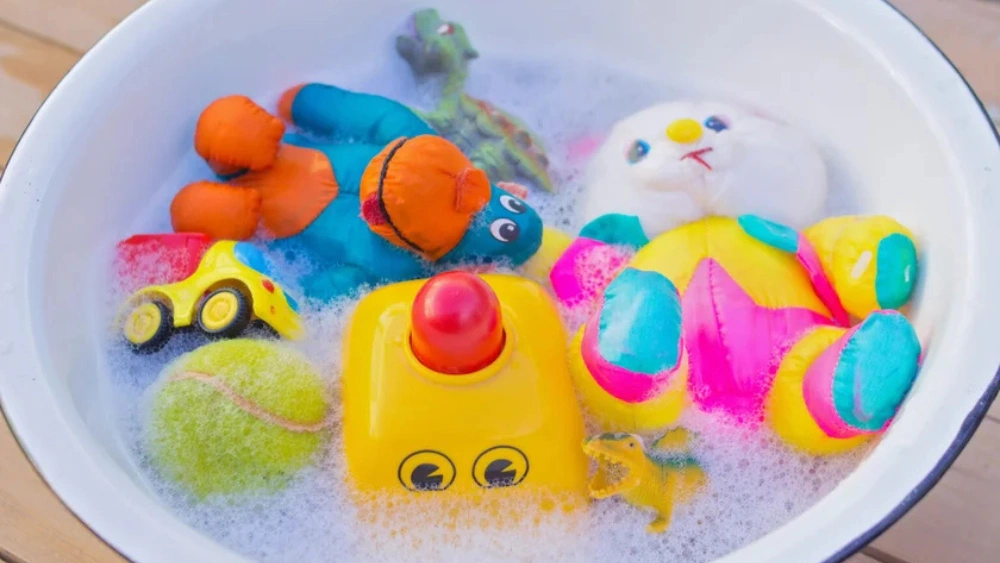
Are you wondering how to keep your baby’s toys clean and safe? As a parent, you’re naturally focused on creating a healthy environment for your little one.
Toys can quickly become breeding grounds for germs, and the thought of your baby putting a dirty toy in their mouth is enough to make any parent anxious. But don’t worry—there are simple and effective ways to sanitize your child’s toys, ensuring their playtime remains safe and healthy.
You’ll discover easy-to-follow tips that will help you maintain a germ-free toy collection without the stress. Stay with us to learn how you can make your baby’s playtime as safe as it is fun.

Credit: www.reddit.com
Choosing Safe Cleaning Products
Choosing safe cleaning products for sanitizing your baby’s toys is crucial. You want to protect your little one from germs without exposing them to harsh chemicals. Knowing the difference between natural and chemical cleaners can help you make better decisions.
Natural Vs Chemical Cleaners
Natural cleaners often use ingredients like vinegar, baking soda, or lemon juice. These are gentle and usually safe for babies’ sensitive skin. Many parents prefer them because they avoid synthetic chemicals.
Chemical cleaners can be very effective at killing germs quickly. However, some contain ingredients that might irritate your baby’s skin or respiratory system. It’s important to read labels carefully and choose products made specifically for baby items.
Have you ever tried cleaning toys with just water and vinegar? I found it surprisingly effective and much safer than strong chemical sprays. It’s worth testing natural options before reaching for harsher chemicals.
Avoiding Harmful Ingredients
Look out for ingredients like phthalates, parabens, and artificial fragrances. These can cause allergic reactions or long-term health issues in babies. Avoid products with “fragrance” listed without details, as this can hide harmful chemicals.
Choose cleaning products that clearly state they are free from toxins and safe for children. Many brands now offer baby-safe sanitizers that have undergone rigorous testing. Your baby’s health depends on these small yet important choices.
Always rinse toys thoroughly after cleaning, especially if you used a chemical product. This simple step reduces the risk of residue that your baby might ingest. What kind of cleaner do you trust most for your baby’s toys?
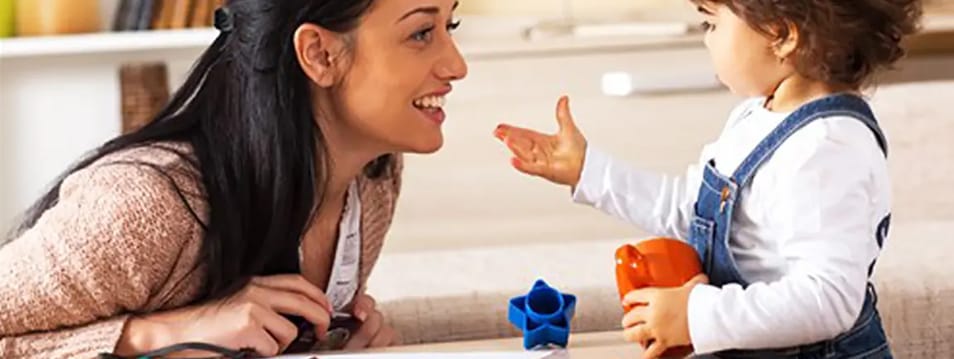
Credit: www.lysol.com
Sanitizing Methods For Different Toy Types
Sanitizing toys keeps babies safe from germs and infections. Different toys need different cleaning methods. Some toys can handle water and soap, while others need gentle care. Understanding the right way to clean each type of toy helps protect your baby’s health.
Hard Plastic And Rubber Toys
Hard plastic and rubber toys are easy to clean. Use warm water and mild soap to scrub them. A soft brush helps reach small crevices. Rinse well to remove all soap. You can also wipe these toys with a baby-safe disinfectant wipe. Let them air dry completely before giving them back to your baby.
Soft And Fabric Toys
Soft toys need gentle cleaning to avoid damage. Check the label for washing instructions. Many fabric toys can be machine washed on a gentle cycle. Use mild detergent and cold water. If machine washing is not allowed, hand wash with mild soap and water. Press gently to remove water. Avoid wringing or twisting the fabric. Air dry soft toys fully to prevent mold or mildew.
Electronic Toys
Electronic toys require careful cleaning to avoid damage. Use a damp cloth with a small amount of mild soap. Wipe the surface gently. Avoid getting water inside the toy or near battery compartments. Use a dry cloth to remove any moisture. Disinfect with a baby-safe wipe if needed. Make sure the toy is completely dry before turning it on or giving it to your baby.
Step-by-step Cleaning Process
Keeping baby toys clean is essential for health and safety. A thorough cleaning process removes germs and dirt. Follow these clear steps to sanitize toys effectively. This guide helps maintain a safe play environment for your little one.
Pre-cleaning Preparation
Sort toys by material—plastic, fabric, or wood. Check toy labels for cleaning instructions. Remove batteries and electronic parts if possible. Gather cleaning supplies: mild soap, warm water, cloths, and disinfectant safe for babies.
Washing And Rinsing
Fill a basin with warm water and mild soap. Use a soft cloth or sponge to scrub each toy. Focus on small crevices and textured surfaces. Rinse toys thoroughly with clean water to remove soap. For fabric toys, check if machine washing is allowed.
Drying And Storage
Air dry toys on a clean towel in a well-ventilated area. Avoid direct sunlight to prevent damage. For fabric toys, ensure they are fully dry to stop mold growth. Store toys in a clean, dry container or basket. Keep sanitized toys away from dirty areas.
:max_bytes(150000):strip_icc()/How-to-clean-baby-toys-5214136-3866d337300b4b13bed733b58b646ef4.png)
Credit: www.parents.com
Frequency And Tips For Regular Toy Sanitizing
Keeping your baby’s toys clean is essential to protect their health. But how often should you sanitize these toys? Striking the right balance between too often and too little cleaning keeps germs away without wearing out the toys. Here’s how you can manage regular toy sanitizing efficiently.
Daily Quick Clean
A simple daily wipe-down can keep many germs at bay. Use a damp cloth with mild soap or baby-safe wipes to clean frequently touched toys. This quick routine takes just a few minutes but can greatly reduce dirt and bacteria buildup.
Focus on toys your baby puts in their mouth or handles constantly. Think about the rattles, teething rings, or soft plush toys. You don’t need to deep clean every day, but a quick wipe ensures you catch dirt early before it becomes a bigger problem.
Deep Cleaning Schedule
Set a regular deep cleaning schedule based on how often your baby uses the toys. Most experts suggest a thorough sanitizing once a week or every two weeks. This means washing with hot soapy water or using a baby-safe disinfectant.
For plastic toys, you can often use a dishwasher’s sanitizing cycle. Fabric toys may need a gentle wash in the machine with a baby-friendly detergent. Don’t forget to dry toys completely to prevent mold and mildew.
Maintaining Hygiene Between Cleanings
Between your daily wipes and weekly deep cleans, keep toys hygienic by limiting exposure to dirt. Store toys in clean bins or containers to protect them from dust and germs. Encourage hand washing before playtime—this simple habit reduces the number of germs toys pick up.
If your baby is sick, sanitize toys more often to prevent reinfection. Also, inspect toys regularly for cracks or damage where germs can hide. Small changes in how you handle and store toys can make a big difference in keeping your baby safe.
Frequently Asked Questions
How Often Should I Sanitize My Baby’s Toys?
Sanitize your baby’s toys weekly to reduce germs and bacteria. Clean more often if toys are shared or visibly dirty. Regular sanitizing helps prevent infections and keeps your baby safe and healthy.
What Are The Safest Methods To Sanitize Baby Toys?
Use mild soap and warm water, or a vinegar-water solution for sanitizing. Avoid harsh chemicals. For plastic toys, dishwasher cleaning is effective. Always rinse thoroughly and let toys air dry completely before use.
Can I Sanitize Fabric Toys For Babies?
Yes, fabric toys can be sanitized by washing them in hot water. Use baby-safe detergent and dry thoroughly. For delicate items, spot clean with a mild disinfectant. Always check the toy’s care label for specific instructions.
Are Natural Disinfectants Effective For Sanitizing Baby Toys?
Natural disinfectants like white vinegar and baking soda are safe and effective. They kill many germs without harmful chemicals. Use a diluted vinegar solution to wipe toys and rinse well. This method is gentle and eco-friendly.
Conclusion
Sanitizing baby toys keeps your little one safe and healthy. Clean toys often to stop germs from spreading. Use gentle, baby-safe methods to avoid harm. Regular cleaning helps prevent illness and allergies. Make it a simple part of your routine.
Clean toys mean happy, healthy playtime every day. Simple steps can protect your baby’s well-being. Keep germs away and enjoy worry-free moments together.