
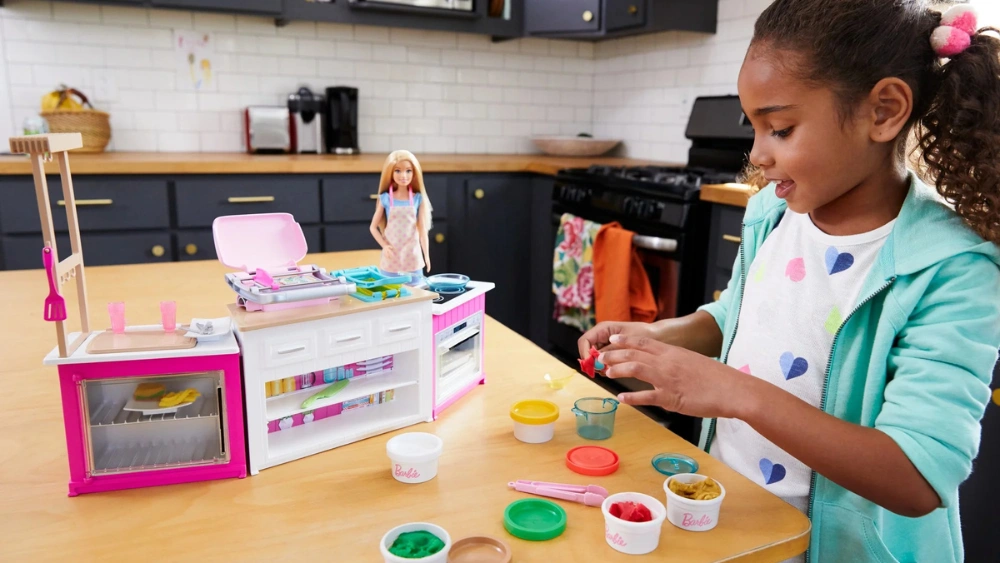
Imagine a world where your 9-year-old can whip up a delicious pretend meal, complete with imaginative recipes and a dollop of creativity. Kitchen playsets offer more than just hours of entertainment; they are a gateway to developing essential life skills and nurturing creativity.
You might think that playsets are just toys, but they hold the potential to transform the way your child thinks and interacts with the world around them. Have you ever wondered how a simple playset could improve cognitive abilities, enhance social skills, and even boost confidence?
You’re about to discover the surprising benefits that these miniature kitchens can bring to your child’s development. By the end of this article, you’ll see why adding a kitchen playset to your child’s playroom might just be the smartest decision you make. Ready to explore how this simple toy can make a big impact? Let’s dive in!
Imaginative Play
Imaginative play is a powerful tool for child development. It allows children to explore their creativity. They create scenarios and stories with their toys. Kitchen playsets are perfect for this. They offer endless possibilities for role-playing. Nine-year-olds benefit greatly from this imaginative play.
How Kitchen Playsets Foster Creativity
Kitchen playsets inspire children to think creatively. Kids can pretend to be chefs or restaurant owners. They invent recipes and serve imaginary dishes. This encourages them to use their imaginations daily.
Developing Social Skills Through Role-playing
Imaginative play with kitchen sets helps develop social skills. Children often play together with these sets. They learn to share, take turns, and communicate. Role-playing different scenarios improves their social interactions.
Enhancing Problem-solving Abilities
Kitchen playsets also enhance problem-solving abilities. Children face challenges during play. They might pretend to run out of ingredients. This encourages them to find creative solutions. It sharpens their problem-solving skills.
Building Confidence And Independence
As children engage in imaginative play, they build confidence. They make decisions and create their own rules. This fosters a sense of independence. It helps them grow into confident individuals.
Encouraging Language Development
Imaginative play with kitchen sets boosts language development. Children often narrate their actions. They describe what they are cooking or serving. This practice enhances their vocabulary and communication skills.

Credit: www.beenews.com
Skill Development
Kitchen playsets offer more than just fun for 9-year-olds. They foster essential skills that aid in their development. These skills go beyond cooking and offer many life lessons. Let’s explore how these playsets benefit your child’s growth.
1. Creative ThinkingKitchen playsets ignite imagination in children. Kids create new recipes and storylines. This process enhances their creative thinking abilities. They learn to think outside the box. Imagination gets a healthy boost.
2. Communication SkillsPlaying with kitchen sets encourages interaction. Children often role-play scenarios with peers. They practice taking turns, sharing, and negotiating. Such activities improve their communication skills. They learn to express ideas clearly.
3. Math SkillsKitchen play involves measuring ingredients. Kids learn basic math concepts like counting and weighing. They understand fractions through pretend recipes. Playsets make math fun and practical. Real-world applications become clear to them.
4. Problem-SolvingChildren face challenges while playing with kitchen sets. They solve problems like fixing pretend spills or burnt food. This boosts critical thinking and decision-making. Kids learn to find solutions creatively.
5. Fine Motor SkillsUsing kitchen utensils helps develop fine motor skills. Grasping, pouring, and stirring enhance hand-eye coordination. These activities improve dexterity in young hands. Kids gain better control over their movements.
6. Social SkillsKitchen playsets encourage group play. Kids collaborate to cook meals and host parties. They learn to cooperate and build friendships. Social skills improve through shared play experiences.
Social Interaction
Kitchen playsets offer valuable social interaction for 9-year-olds, enhancing communication skills and teamwork. Children engage in role-playing, practicing cooperation while having fun. Through imaginative play, they develop empathy and learn to express themselves clearly.
Engaging in social interaction is crucial for a child’s development, especially at the age of nine. Kitchen playsets offer a unique platform for children to enhance their social skills. Through role-playing and imaginative scenarios, kids learn to communicate, collaborate, and empathize with others. These interactions are not just fun; they are vital in shaping a child’s ability to engage with peers and adults alike.Learning Teamwork And Collaboration
When children gather around a kitchen playset, they naturally fall into roles like chef, waiter, or customer. This encourages them to work together towards a common goal. Have you ever watched kids negotiate who gets to be the chef or decide on the menu for their pretend restaurant? It’s a delightful mix of compromise and creativity. By working together to create a ‘meal’, they learn the importance of teamwork. They understand that tasks can be divided and shared, making them more efficient and enjoyable. This experience is invaluable as it mirrors real-life situations where collaboration is key.Developing Communication Skills
Kitchen playsets also provide a great opportunity for kids to hone their communication skills. They need to express their ideas clearly, whether they’re asking for a specific ingredient or instructing a ‘sous chef’ to prepare a dish. Have you noticed how a child’s vocabulary expands when they play kitchen games? They begin using words like “recipe”, “ingredients”, and “serve”, which enhances their language skills. Engaging with peers in this setting requires them to listen and respond appropriately, fostering effective communication.Enhancing Empathy And Understanding
Role-playing in a kitchen setting allows children to step into different characters, helping them understand diverse perspectives. When they act as a waiter serving a ‘customer’, they learn to anticipate needs and respond with kindness. This practice builds empathy, as they begin to understand how their actions affect others. It’s more than just pretending; it’s about developing a deeper sense of understanding and compassion towards different roles and responsibilities.Encouraging Problem-solving Skills
Kitchen playsets often involve scenarios where things don’t go as planned, like running out of ‘ingredients’ or dealing with a ‘difficult customer’. These challenges prompt kids to think on their feet and find solutions. Have you ever seen a child creatively solve a problem by suggesting a substitute ingredient or changing the menu to accommodate a friend’s allergy? Such experiences enhance their problem-solving skills, preparing them for real-life situations.Building Confidence And Independence
Finally, as children engage in these social interactions, they build confidence. Successfully managing a pretend restaurant or preparing a ‘meal’ gives them a sense of accomplishment. This boost in self-esteem encourages them to take on more challenges, fostering independence. Watching a nine-year-old beam with pride as they serve a ‘dish’ they created is a testament to the confidence and independence that kitchen playsets can instill. So, next time you see your child playing with their kitchen set, know that they’re not just having fun— they’re learning essential life skills. How do you think these interactions will benefit them in the future?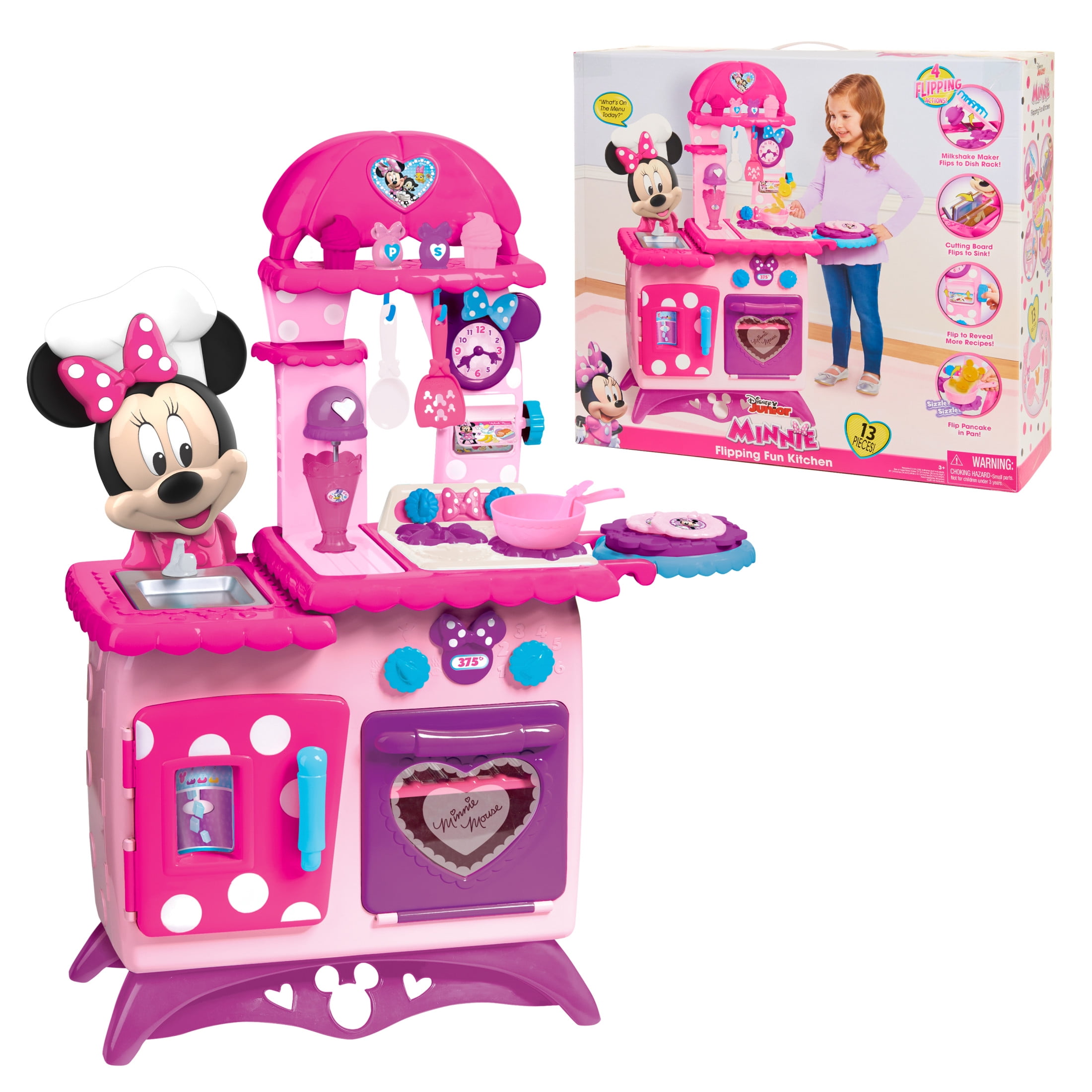
Credit: www.walmart.com

Credit: www.goodhousekeeping.com
Frequently Asked Questions
Why Is Kitchen Play Good For Kids?
Kitchen play fosters creativity, improves problem-solving skills, and enhances fine motor abilities in kids. It encourages social interaction and teamwork, while also teaching basic math and science concepts. Role-playing as chefs boosts confidence and communication skills, making kitchen play both educational and fun for children.
At What Age Do Kids Stop Playing With Kitchen Sets?
Kids typically stop playing with kitchen sets around ages 8 to 10. Interests shift to more complex activities. Encourage creativity by introducing new toys and hobbies suitable for older children. Every child is unique, so interests may vary.
What Are The Learning Outcomes Of Kitchen Role Play?
Kitchen role play enhances creativity, improves communication skills, and boosts teamwork. It encourages problem-solving and develops social interaction abilities. Kids learn about healthy eating habits, kitchen safety, and basic cooking techniques. This imaginative play fosters emotional development and builds confidence.
Why Are Mud Kitchens Good For Kids?
Mud kitchens encourage creativity and sensory play. Kids develop fine motor skills by mixing, pouring, and crafting with natural materials. These activities boost social skills through teamwork and communication, while fostering imagination and problem-solving abilities. Mud kitchens also connect children with nature, enhancing their overall cognitive and emotional development.
Conclusion
Kitchen playsets offer more than just fun. They teach valuable skills. Kids learn creativity and teamwork. Social skills improve with pretend play. They also grasp basic math. Counting ingredients becomes second nature. Safety awareness grows as they mimic adults. These playsets spark imagination.
They boost confidence too. Children feel proud when they “cook” meals. A play kitchen is an investment in growth. It nurtures curiosity and learning. Parents witness development in action. Watching kids play is rewarding. Kitchen playsets are worth considering for every child.
They blend learning and play seamlessly.