

Imagine watching your 9-year-old’s eyes light up with creativity and wonder as they dive into a world of make-believe. Role-play toys aren’t just fun; they’re powerful tools that can help shape your child’s mind and social skills.
Have you ever wondered why these toys are so beneficial for your child’s development? This article reveals the hidden magic behind role-play toys and how they can transform your child’s learning experience. If you want to unlock the secrets to boosting your child’s imagination, confidence, and problem-solving abilities, keep reading.
You might just discover the key to enhancing your child’s growth in a way you never expected.

Credit: www.amazon.com
Imagination Development
Imagination is a crucial part of a child’s growth. Role-play toys can significantly boost this aspect, particularly for 9-year-olds. These toys offer a world of creativity. They help kids explore different roles and scenarios. This exploration is vital for cognitive and emotional development. Let’s delve into how role-play toys contribute to imagination development.
Imagination Development Through Role-play
Role-play toys spark creativity in children. They allow kids to create their own stories. This process enhances their imagination. Children invent characters and plot lines. These activities improve their storytelling skills. Imagination grows when kids think beyond the ordinary.
Enhancing Problem-solving Skills
When children engage with role-play toys, they face pretend challenges. They find solutions to these imaginary problems. This practice improves problem-solving skills. Kids learn to think critically. These skills are valuable for real-life situations.
Boosting Social Interaction
Role-play often involves multiple players. Children learn to communicate with peers. They negotiate roles and collaborate on scenarios. These interactions build social skills. Kids learn empathy by understanding different perspectives.
Encouraging Emotional Expression
Role-playing allows children to express emotions safely. They act out feelings through characters. This expression helps them understand emotions better. It leads to emotional intelligence growth. Kids become more aware of their feelings.
Fostering Language Development
In role-play, children use language creatively. They invent dialogues and conversations. This practice enhances vocabulary and speech skills. Kids learn new words in context. Language development becomes a fun activity.
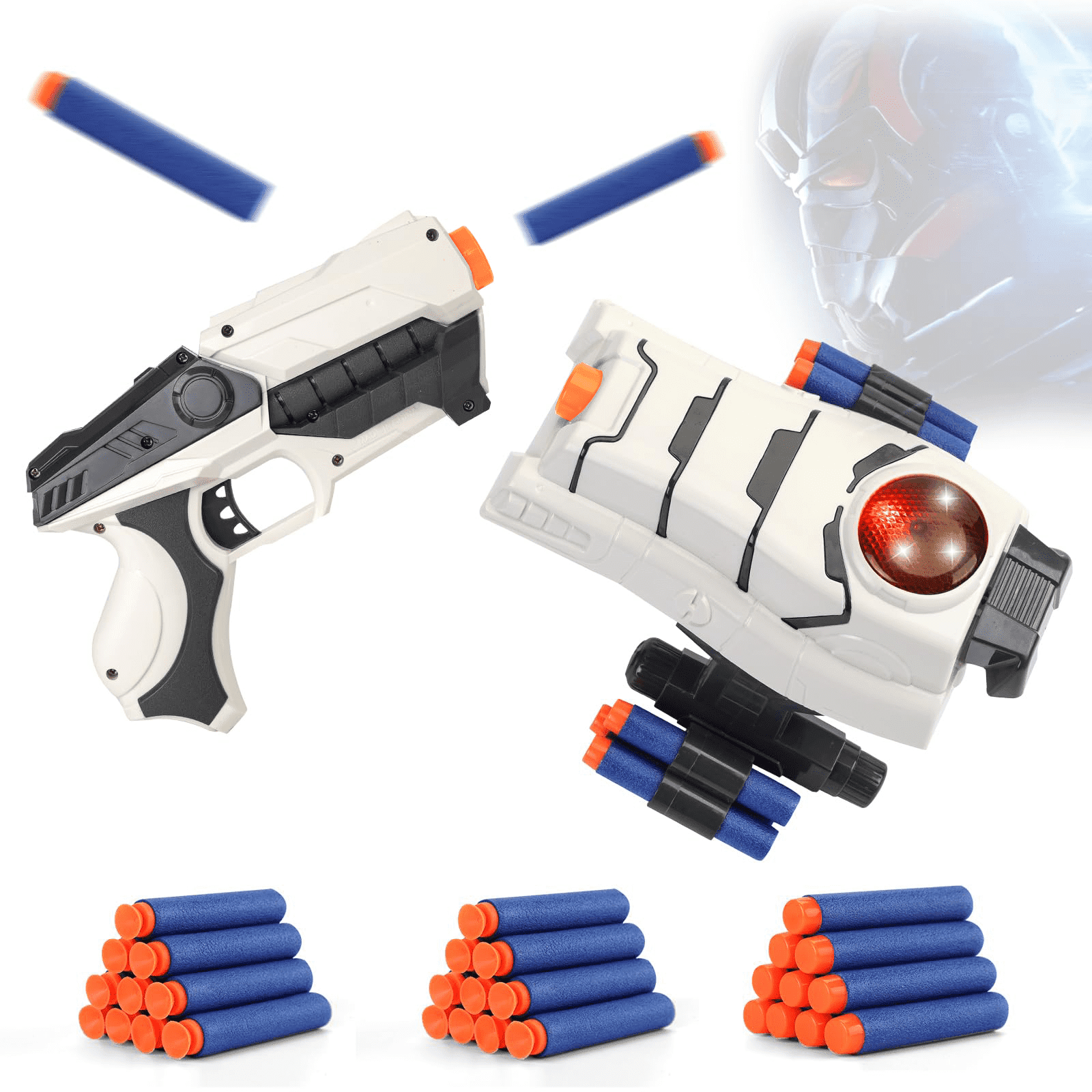
Credit: www.walmart.com
Social Skills Enhancement
Role-play toys are more than just fun. They help children develop crucial social skills. At nine years old, kids start understanding complex social interactions. These toys provide a safe environment to practice and learn. Through role-play, they navigate different scenarios. This boosts their confidence and communication abilities.
Understanding Social Roles
Role-play toys introduce children to various social roles. Whether pretending to be a teacher, doctor, or chef, they learn about responsibilities. This understanding of roles helps them relate better to others. They see different perspectives and appreciate diverse viewpoints.
Building Empathy And Cooperation
Playing with others teaches empathy. Kids learn to listen and respond to their peers’ needs. Role-play scenarios often require teamwork. Through cooperation, they understand the value of working together. This builds strong foundations for future social interactions.
Enhancing Communication Skills
Role-play encourages verbal expression. Kids articulate their thoughts and feelings. This practice improves their vocabulary and speech clarity. It also enhances non-verbal communication, like gestures and facial expressions. These skills are vital for effective interaction in real life.
Developing Problem-solving Abilities
Role-play often presents challenges. Kids learn to think critically and find solutions. They experiment with different strategies to overcome obstacles. This process hones their problem-solving abilities. It prepares them for real-life situations where quick thinking is essential.
Boosting Self-confidence
Successfully playing a role boosts self-esteem. Kids feel accomplished when they complete a scenario. This confidence transfers to other areas of life. They become more willing to participate in social activities. Role-play toys provide a foundation for positive self-image development.
Problem-solving Skills
Role-play toys foster creativity and imagination in 9-year-olds. Kids face various scenarios, enhancing their problem-solving skills. These toys encourage children to think critically and adapt to new situations.
Role-play toys aren’t just about fun; they are powerful tools that enhance problem-solving skills in nine-year-olds. At this age, children are curious, eager to understand the world around them, and role-play toys provide them with scenarios to do just that. Through imaginative play, they learn to navigate challenges, think critically, and develop solutions—skills crucial for their growth.Understanding Challenges Through Imaginative Play
Role-play toys, like pretend kitchens or building sets, offer children a chance to face unique challenges. Imagine your child playing chef, trying to “cook” a meal with play ingredients—how do they decide what goes into their dish? They experiment, make mistakes, and learn from them. This process fosters a problem-solving mindset. It encourages kids to ask questions like “What happens if I add too much salt?” or “How can I make this taste better?” These questions lead to creative thinking and help them understand consequences.Enhancing Critical Thinking
Role-play toys stimulate critical thinking by presenting scenarios that require decision-making. When children play shopkeeper, they must decide how to price items, handle pretend money, and manage customer interactions. These activities push them to think on their feet. Such experiences boost their ability to analyze situations quickly. They learn to weigh options, consider outcomes, and choose the best course of action. This skill is invaluable as they encounter real-world problems.Developing Social Skills Through Collaboration
Many role-play activities encourage interaction with peers, fostering teamwork and collaboration. Imagine a group of children playing doctors and nurses, where they must work together to “heal” a patient. This shared goal requires communication, negotiation, and shared decision-making. Through these interactions, children develop empathy and learn to consider others’ perspectives. They understand that solving problems often involves working together, a lesson that extends beyond playtime into their daily lives.Building Confidence And Independence
Role-play toys empower children to take charge of situations, boosting their confidence. When your child successfully navigates a pretend scenario, they gain a sense of achievement. This confidence translates into real-world independence. Consider how your child might feel after organizing a successful pretend tea party. This experience not only builds their self-esteem but also reinforces their ability to solve problems independently.Encouraging Innovation And Creativity
Role-play toys invite innovation and creativity. When children engage in pretend play, they often devise new ways to use toys or invent scenarios. This innovative thinking is the foundation of problem-solving. Encourage your child to think outside the box. Ask them how they might use a toy differently or create a new game. These challenges stimulate creativity and enhance their ability to find unique solutions. — Role-play toys provide a playful yet profound way for nine-year-olds to develop problem-solving skills. They offer a safe space for experimentation and learning, allowing children to grow into confident, creative thinkers. As you observe your child engage with these toys, consider how you might support their journey in mastering these essential skills.
Credit: www.amazon.com
Frequently Asked Questions
Why Is Roleplay Important For Kids?
Roleplay boosts creativity and imagination in children. It helps develop social skills and emotional understanding. Through roleplay, kids learn problem-solving and empathy. It encourages communication and collaboration, essential for personal growth. This activity allows children to explore different roles and scenarios, enhancing their cognitive and emotional development.
Is It Normal For A 9 Year Old To Play With Toys?
Yes, it’s normal for a 9-year-old to play with toys. Toys stimulate creativity and support emotional development. Playing helps children learn problem-solving skills and social interaction. Encourage diverse play to boost imagination and growth. Ensure toys are age-appropriate and safe for enjoyable playtime experiences.
How To Develop Play Skills In A 9 Year Old?
Encourage imaginative play through storytelling and role-playing. Provide diverse toys like puzzles and board games. Organize playdates with peers to enhance social skills. Introduce sports or physical activities for teamwork and coordination. Create a safe space for creativity and exploration.
Why Is Pretend Play So Important For Kids?
Pretend play boosts creativity, social skills, and problem-solving in kids. It enhances emotional development and cognitive growth. Through imaginative scenarios, children learn empathy and communication. This type of play fosters independence, allowing kids to explore different roles and perspectives. Encouraging pretend play leads to well-rounded development and prepares children for future challenges.
Conclusion
Role-play toys nurture creativity and imagination in children. These toys build social skills through pretend play. Children learn empathy by acting out different roles. Problem-solving becomes fun and engaging with these toys. They offer a safe space to explore emotions.
Kids develop communication skills naturally while playing. Role-play encourages teamwork and cooperation among peers. Parents can see their child’s growth and development. These toys help children understand the world around them. Investing in role-play toys enriches a child’s learning journey.
Playtime becomes a valuable experience for growth and exploration.