

Imagine watching your little one’s eyes light up as they fit the last piece into a puzzle. It’s not just adorable; it’s incredibly beneficial for their growing minds.
You might wonder how something so simple can have such a profound impact on your child’s development. Puzzles are more than just toys—they’re powerful tools that help 1-year-olds learn essential skills. From boosting problem-solving abilities to enhancing hand-eye coordination, puzzles play a crucial role in early childhood development.
Curious about the other amazing benefits puzzles offer for your toddler? Let’s dive deeper into why incorporating puzzles into your daily routine can make a world of difference for your child’s growth and learning.

Credit: www.amazon.com
Cognitive Growth
Puzzles boost cognitive growth in one-year-olds by enhancing problem-solving skills. They improve hand-eye coordination and stimulate curiosity, fostering early development.
Cognitive growth in one-year-olds is a fascinating journey that puzzles can significantly enhance. As your child begins to explore their surroundings, their brain undergoes rapid development. Puzzles offer a unique way to stimulate cognitive abilities, nurturing skills that will form the foundation for future learning.Enhancing Problem-solving Skills
Puzzles challenge young minds to think critically. When your child tries to fit pieces together, they learn to solve problems. Each attempt teaches them patience and persistence.Boosting Memory
Memory development is crucial at this age. By remembering where pieces fit, your child strengthens their memory skills. This practice is invaluable as they start to recognize patterns and shapes.Developing Spatial Awareness
Puzzles help children understand space and form. As they manipulate pieces, they become aware of how objects relate to each other. This skill supports later abilities in math and science.Encouraging Concentration
Focusing on completing a puzzle hones concentration. It requires attention to detail, which is essential for learning new tasks. Watch as your child’s ability to concentrate improves with each puzzle they complete.Stimulating Language Skills
Engage your child in conversations about the puzzle. Describe colors and shapes, enhancing their vocabulary. This simple interaction can spark a love for language. What puzzles have you introduced to your child? Each experience is a step towards cognitive growth, fostering a curious and intelligent mind.Motor Skills Enhancement
Puzzles enhance motor skills in 1-year-olds by encouraging hand-eye coordination. They also promote problem-solving and cognitive development.
Playing with puzzles is an essential activity for 1-year-olds. It significantly aids in motor skills enhancement. As little hands grasp and fit pieces together, they develop coordination and control. These movements are crucial for a child’s growth and daily tasks. Engaging with puzzles provides a fun way for toddlers to improve their motor abilities.Fine Motor Skills Development
Puzzles require pinching and grasping small pieces. This action strengthens small muscles in the hands. It prepares children for writing and other detailed tasks. Fine motor skills are vital for many day-to-day activities.Hand-eye Coordination Improvement
Fitting puzzle pieces involves matching shapes and colors. Children learn to synchronize their hand movements with their visual perception. This coordination is essential for tasks like eating and dressing. The more they practice, the better they get.Problem-solving Practice
Puzzles encourage trial and error. Kids must figure out which pieces fit together. This process enhances cognitive skills and boosts confidence. Each successful match is a small victory, motivating them to try more.Spatial Awareness
Understanding how pieces fit together builds spatial awareness. Children learn about shapes and spaces. This skill is fundamental in understanding the world around them. Spatial awareness helps in everyday tasks and future learning.Patience And Persistence
Solving puzzles requires time and effort. Kids learn patience as they work through challenges. Persistence grows with each attempt and success. These traits are beneficial throughout life.Problem-solving Abilities
Puzzles boost problem-solving skills in 1-year-olds by encouraging logical thinking. They stimulate curiosity and improve hand-eye coordination.
Puzzles are more than just a fun activity for your little one; they are a powerful tool for developing problem-solving abilities. At the tender age of one, children are beginning to understand the world around them, and puzzles can play a significant role in this learning process. As your child attempts to fit pieces together, they are engaging their minds in a unique way, learning how to approach and solve problems.Understanding Cause And Effect
When your child tries to fit a puzzle piece into its slot, they quickly learn about cause and effect. If a piece doesn’t fit, they must figure out why and try another approach. This trial and error method helps them understand that their actions have consequences.Encouraging Persistence
Puzzles teach your little one the value of persistence. They might struggle at first, but with encouragement and time, they learn that sticking with a task leads to success. Witnessing your child’s determination can be a heartwarming experience. It’s amazing how a simple puzzle can inspire them to keep trying until they get it right.Developing Critical Thinking
As children work on puzzles, they start developing critical thinking skills. They must analyze shapes and colors, deciding where each piece might belong. This kind of logical thinking is the foundation for more complex problem-solving skills they’ll need as they grow.Building Confidence
Completing a puzzle gives children a sense of accomplishment. This boosts their confidence and encourages them to tackle new challenges. Seeing your child’s face light up when they complete a puzzle is a moment of joy for both of you.Enhancing Memory Skills
Puzzles also enhance your child’s memory skills. Remembering the shapes and colors of pieces they’ve tried before helps them make better choices as they progress. This memory-building aspect is crucial for cognitive development. Have you noticed how your child reacts when they complete a puzzle? Their joy is not just about finishing the task; it’s about having solved a problem on their own. Encouraging them to play with puzzles can lead to profound benefits that extend far beyond playtime.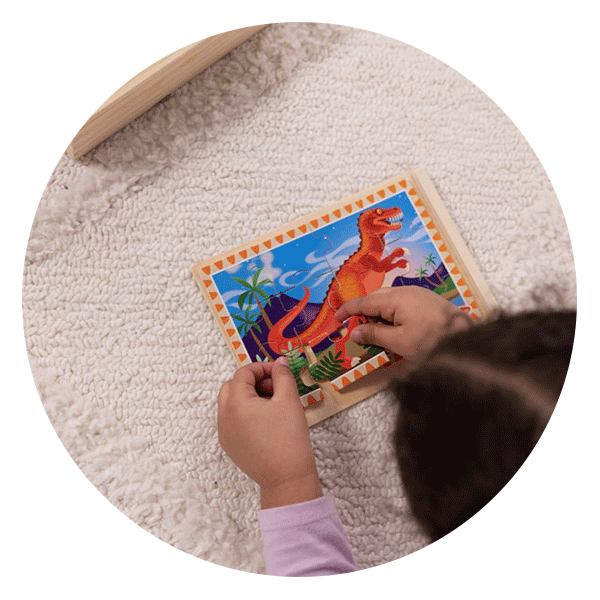
Credit: www.thebump.com
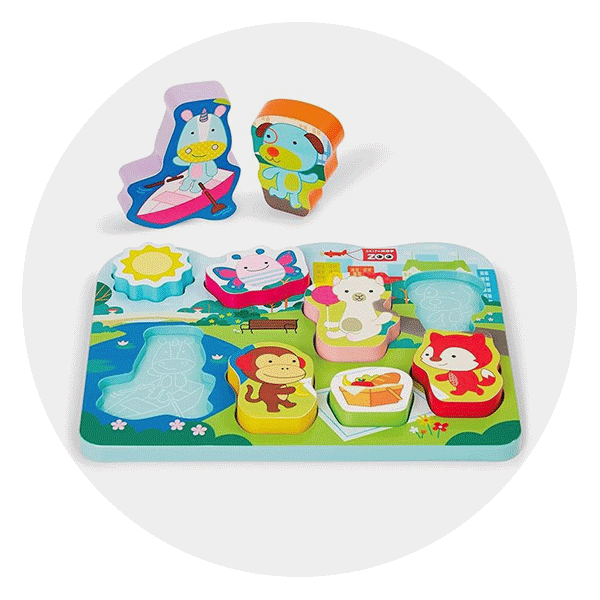
Credit: www.thebump.com
Frequently Asked Questions
Are Puzzles Good For A 1 Year Old?
Yes, puzzles are beneficial for 1-year-olds. They enhance problem-solving skills and hand-eye coordination. Puzzles also promote cognitive development and shape recognition. Choose simple puzzles with large pieces for safety and easy handling. Engaging in puzzle play supports early learning and creativity in toddlers.
How Do Puzzles Help Toddlers Develop?
Puzzles boost toddlers’ cognitive skills, improve problem-solving abilities, and enhance hand-eye coordination. They aid memory development and promote fine motor skills. Engaging with puzzles fosters creativity and patience. Puzzles also encourage toddlers to recognize shapes, colors, and patterns, contributing to overall brain development.
What Is The Best Age To Start Puzzles?
Children can start puzzles around 12-18 months with simple shapes and blocks. As they grow, introduce more complex puzzles to enhance their cognitive development. Tailor puzzle difficulty to their age and skill level to keep it engaging and challenging. Starting early fosters problem-solving and fine motor skills.
How Many Puzzle Pieces For A 1 Year Old?
A 1-year-old can handle puzzles with 2-4 large pieces. Choose puzzles with bright colors and simple images. Ensure pieces are safe, chunky, and easy to grasp. These puzzles help develop motor skills and cognitive abilities. Always supervise playtime to ensure safety and encourage learning through fun.
Conclusion
Puzzles give one-year-olds a fun way to learn. They boost creativity. They improve fine motor skills. Kids develop problem-solving abilities. Puzzles also enhance memory. Plus, they teach patience. Parents can enjoy puzzle time with kids. It strengthens bonds. It’s a simple activity.
But it offers great benefits. Every piece counts. Every puzzle solved is a small victory. Parents will see smiles. They will hear giggles. Watching your child grow is rewarding. Choose puzzles that suit their age. Let them explore. Let them discover.
It’s more than just play. It’s learning disguised as fun. Start with simple puzzles. See them thrive.