

Imagine your little one, eyes wide with wonder, as they press a button on a toy piano and a delightful tune fills the room. Musical toys are not just fun; they are powerful tools that can help your 3-year-old grow and learn in remarkable ways.
You might be wondering how these colorful, sound-making gadgets can make a difference in your child’s development. The answer lies in the unique way music interacts with the brain. You’ll discover why musical toys are more than just playthings. They’re keys to unlocking your child’s creativity, enhancing their cognitive abilities, and even boosting their social skills.
By the end, you’ll see how these toys can be a harmonious addition to your child’s playtime, setting them up for success in many areas of life. Prepare to be amazed at how a little music can make a big impact on your child’s growth!

Credit: www.amazon.com
Cognitive Development
Musical toys boost cognitive development in 3-year-olds by enhancing memory and pattern recognition. They encourage creativity through rhythm exploration and sound differentiation.
Cognitive development in 3-year-olds is like watching a light bulb gradually brighten. At this age, children are rapidly learning and absorbing information from their environment. Musical toys are more than just fun distractions; they are powerful tools that can significantly boost cognitive growth.Engaging The Senses
Musical toys engage multiple senses at once. When your child shakes a rattle or presses a button on a toy piano, they see, hear, and feel the interaction. This multi-sensory experience strengthens neural connections in their brain. Imagine watching your toddler’s eyes light up as they press a button and music plays. This simple action teaches cause and effect, a crucial cognitive skill. Your child learns that their actions have consequences, an understanding that lays the groundwork for problem-solving.Memory Skills
Musical toys can enhance memory in young children. Repetitive songs and rhythms help your child remember tunes and sequences. This repetition is not just entertaining; it is a workout for their memory muscles. Think of it like this: when your child repeatedly plays a toy xylophone, they start to remember the sequence of notes. This memory exercise promotes better retention and recall abilities, essential for future learning.Language Development
Music and language are closely linked in the brain. Singing along with musical toys can expand your child’s vocabulary. They learn new words and phrases, improving their communication skills. Have you ever noticed how quickly your child picks up the lyrics to a song? This is because music makes learning language fun and engaging. It’s a playful yet effective way to boost your child’s linguistic abilities.Problem-solving Skills
Musical toys often have puzzles or sequences that children need to solve. These challenges encourage critical thinking. Your child learns to assess situations and figure out solutions, enhancing their problem-solving skills. When your child figures out how to play a simple tune on a toy keyboard, they’re not just having fun. They’re developing the ability to break down problems into manageable steps. This skill is invaluable as they grow and face more complex challenges.Attention And Focus
Musical toys require attention to detail. Listening to different notes and rhythms helps your child develop focus. This skill is crucial for learning and succeeding in school later on. Do you remember the first time your child sat still, captivated by a musical toy? That moment isn’t just cute; it’s a sign of growing attention span. Musical toys help sharpen their focus, preparing them for more structured learning environments. Ask yourself, how can you creatively integrate musical toys into your child’s playtime to maximize these cognitive benefits? With the right approach, you can turn everyday play into a powerful educational experience.Enhancing Motor Skills
Musical toys are more than just fun and games for young children. They play a crucial role in developing essential motor skills. As kids interact with these toys, they learn to coordinate their movements. This activity helps them control their bodies and refine their motor abilities. The tactile experience of playing with musical toys is vital for growth.
Improving Hand-eye Coordination
Musical toys require children to use their hands and eyes together. They learn to press buttons, shake instruments, or hit drums. This action strengthens their hand-eye coordination. As they play, they become more precise in their movements. This improvement is essential for tasks like drawing or writing.
Developing Finger Dexterity
Small instruments with keys or strings challenge finger dexterity. Kids must move fingers independently to create sounds. This practice enhances their fine motor skills. It prepares them for activities such as tying shoelaces or buttoning clothes. Dexterity is crucial for independence.
Boosting Physical Movement
Musical toys often encourage dancing and movement. This physical activity helps children improve balance and rhythm. They learn to move their bodies in time with music. This process develops their gross motor skills. It is important for running, jumping, and playing sports.
Creating Emotional Connections
Musical toys spark joy and creativity in 3-year-olds, fostering emotional connections through sound and rhythm. These toys enhance communication skills, helping children express feelings through music. Engaging with musical instruments also boosts cognitive development, making learning fun and interactive.
Creating emotional connections is an essential aspect of a child’s development. Musical toys can play a pivotal role in fostering these connections. At the age of three, children are beginning to understand and express their emotions. Music can serve as a powerful tool to help them navigate these feelings, offering a safe space for exploration and expression.Emotional Expression Through Sound
Musical toys give children an outlet to express themselves. When your child strikes a chord on a toy guitar or taps a drum, they’re not just making noise; they’re communicating emotions. This musical interaction helps them recognize different sounds and associate them with feelings. It’s fascinating to watch a child develop joy from a simple melody or calmness from a soothing rhythm.Building Bonds Through Shared Experiences
Playing with musical toys can be a bonding experience. Whether you’re singing along or dancing to a tune, these shared moments create lasting memories. Imagine the joy in your child’s eyes as you both sing a favorite song. These interactions can deepen your emotional connection and strengthen your relationship.Understanding Emotions Through Music
Music is a universal language that transcends words. Musical toys can help children understand complex emotions. As they play, they learn to associate different tunes with specific feelings, enabling them to process their emotions better. This understanding fosters empathy and emotional intelligence. Have you noticed how a lullaby can soothe a child or a lively song can energize them? It’s the power of music at work.Encouraging Self-expression
Musical toys encourage self-expression. Through them, children can explore their creativity and individuality. When children create their melodies, they express themselves in unique ways. This self-expression is vital for emotional development. It helps them gain confidence in their ability to communicate their feelings. Do you see your child inventing tunes and rhythms? It’s their emotions taking shape in a wonderful, musical form. By integrating musical toys into your child’s playtime, you offer them more than just entertainment. You provide them with tools to explore and express their emotions, strengthening emotional connections in their formative years.
Credit: www.walmart.com
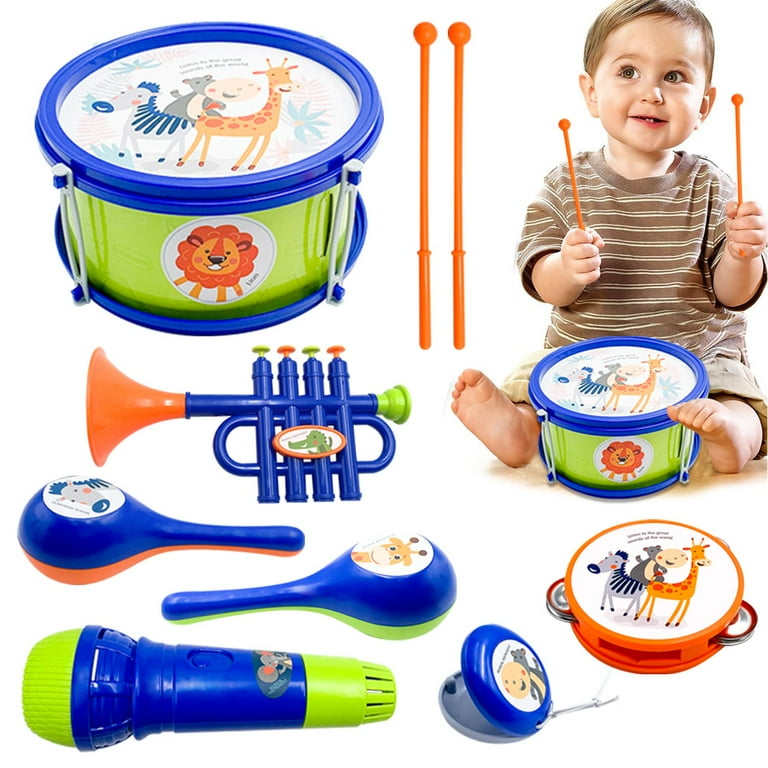
Credit: www.walmart.com
Frequently Asked Questions
What Are The Benefits Of Musical Toys?
Musical toys enhance creativity, improve motor skills, and boost cognitive development in children. They encourage auditory recognition and rhythm understanding. Engaging with musical toys aids in emotional expression and social interaction, fostering a fun learning environment. These toys also promote language skills through songs and melodies.
Are Musical Toys Good For Toddlers?
Musical toys are beneficial for toddlers. They enhance cognitive skills, improve coordination, and stimulate creativity. Engaging with music aids in emotional development, helping toddlers express feelings. These toys encourage interaction and social skills, providing a fun and educational experience. Investing in musical toys supports overall child development effectively.
How Can Musical Activities Help A Child’s Development?
Musical activities enhance cognitive skills and improve memory. They boost creativity and foster emotional expression. Children develop social skills through group participation. Coordination and motor skills are refined with musical instruments. Language and communication abilities are strengthened, aiding overall development.
Music nurtures a child’s brain, supporting academic growth and personal development.
What Are The Benefits Of Musical Play?
Musical play enhances creativity and boosts cognitive development. It improves social skills and emotional expression. Engaging in music also strengthens memory and concentration. Children develop fine motor skills through instrument play. Musical activities promote relaxation and reduce stress, contributing to overall well-being.
Conclusion
Musical toys play a crucial role in a child’s growth. They help develop motor skills and spark creativity. Kids learn rhythm and patterns through play. These toys also improve listening and concentration abilities. Children feel joy and excitement while exploring sounds.
Playing with others enhances social skills and teamwork. Musical toys offer endless possibilities for fun and learning. Parents can see their child’s progress and happiness. Investing in these toys benefits a child’s development. A simple way to make learning enjoyable and engaging.
Perfect for every curious three-year-old.