

Have you ever wondered if electronic toys are really the best choice for your child? At first, they seem exciting and fun.
Bright lights, sounds, and endless buttons grab your child’s attention instantly. But what if these flashy gadgets are actually doing more harm than good? You might be surprised to learn how electronic toys can affect your child’s development, creativity, and even social skills.
Keep reading to discover why these popular toys might not be as harmless as they look—and what you can do to protect your child’s growth.
Impact On Child Development
Electronic toys have become a staple in many households, but their impact on child development raises important concerns. These toys often shape how children think, learn, and interact with the world around them. Understanding this impact can help you make better choices for your child’s growth and well-being.
Effects On Creativity
Electronic toys usually provide pre-set activities and outcomes, limiting a child’s chance to imagine or create. Unlike building blocks or art supplies, these toys don’t encourage children to invent new scenarios or solve problems independently. Have you noticed how kids sometimes repeat the same actions without trying something new when playing with electronic toys?
When your child spends more time with open-ended toys, they develop stronger creative skills. You can try swapping screen-based toys for puzzles or role-playing games to spark your child’s imagination naturally.
Reduced Social Interaction
Many electronic toys are designed for solo play, reducing opportunities for children to engage with others. Social skills grow through shared play, conversations, and cooperation, which are often missing in electronic toy experiences.
Think about the last time your child played with a friend or sibling. Did electronic toys help or hinder their ability to communicate and work together? Encouraging group play without gadgets can boost empathy and teamwork skills.
Attention And Focus Issues
Electronic toys often provide rapid stimuli, bright lights, and constant feedback, which can make it harder for children to focus on slower-paced tasks. This overstimulation may affect their attention span and patience in learning environments.
If you observe your child struggling to concentrate on homework or simple tasks, consider reducing time spent on electronic toys. Introducing quiet, focused activities like reading or board games can help rebuild their attention skills effectively.

Credit: parentingtranslator.substack.com
Health Concerns Linked To Electronic Toys
Electronic toys have become a staple in many homes, but their impact on health often goes unnoticed. Understanding the health concerns linked to these gadgets can help you make better choices for your family. Let’s look closely at how these toys affect eyes, sleep, and physical activity.
Screen Time And Eye Strain
Spending long hours staring at screens can cause significant eye strain. Children’s eyes are still developing, making them more vulnerable to discomfort, headaches, and blurred vision.
Have you noticed your child rubbing their eyes or complaining about headaches after playing with electronic toys? These are warning signs. Limiting screen time and encouraging breaks can protect their eyesight.
Sleep Disruptions
Electronic toys often emit blue light, which interferes with the natural sleep cycle. Using these toys before bedtime can delay the release of melatonin, the hormone that helps you fall asleep.
Imagine your child struggling to fall asleep after playing with an electronic toy right before bed. This can lead to tiredness and affect their mood and concentration the next day. Consider setting a screen curfew at least one hour before sleep.
Physical Inactivity Risks
Many electronic toys encourage sitting still rather than moving around. This lack of physical activity can contribute to weight gain and weaker muscles.
Think about how much time your child spends with a tablet or gaming device compared to outdoor play. Encouraging active play can improve their overall health and reduce risks associated with inactivity.
Behavioral Problems From Excessive Use
Excessive use of electronic toys can lead to noticeable behavioral problems in children. These issues often go unnoticed until they start affecting daily life and interactions. Understanding the specific behavioral changes can help you take timely action to protect your child’s emotional and social development.
Increased Aggression
Children who spend too much time with electronic toys may show signs of increased aggression. The fast-paced, often competitive nature of many electronic games can overstimulate young minds, leading to frustration and irritability.
I once noticed a child grow visibly more impatient and quick to anger after hours of playing on a tablet. This change happened within just a few weeks, showing how sensitive children can be to overstimulation. Are you seeing sudden mood swings or outbursts in your child after screen time?
Dependency And Addiction
Electronic toys can create a strong dependency that feels like an addiction. Kids may struggle to stop playing, even when they want to, because these toys are designed to keep them hooked with rewards and bright lights.
This dependency can make it harder for children to focus on other activities like homework or outdoor play. Have you noticed your child ignoring other interests or refusing to engage in family time because of their toys?
Impaired Communication Skills
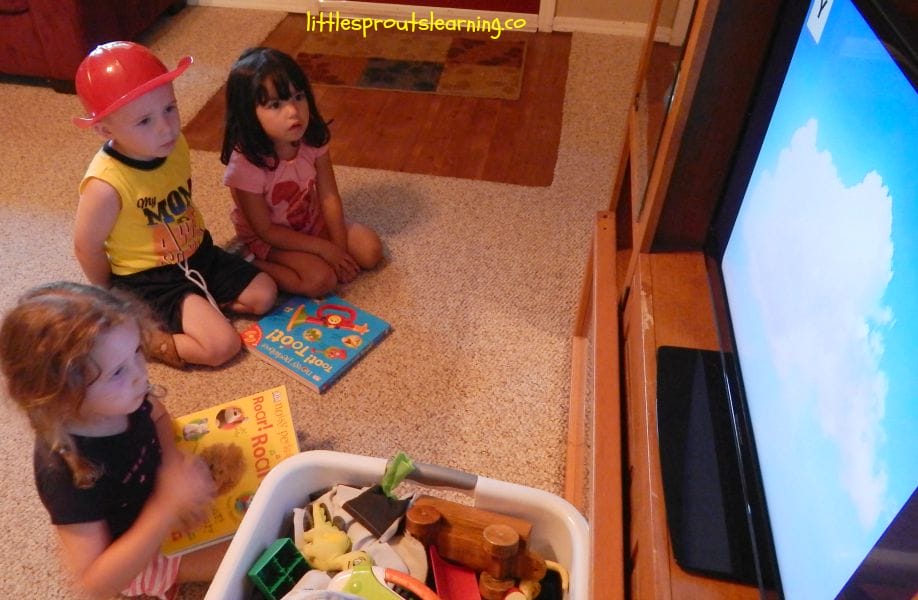
Spending too much time with electronic toys often means less face-to-face interaction. This lack of real communication can slow down the development of important social skills like sharing, listening, and empathy.
A friend once shared how her son struggled to make eye contact and hold conversations after months of solo electronic play. How often do you encourage your child to interact with others without screens?
Credit: littlesproutslearning.co
Alternatives To Electronic Toys
Electronic toys may seem fun, but children benefit more from other types. Alternatives to electronic toys help kids grow better in many ways. These options boost creativity, physical activity, and social skills. Choosing the right toys can make playtime more meaningful and healthy.
Benefits Of Traditional Toys
Traditional toys like blocks, dolls, and puzzles support hands-on learning. They improve fine motor skills and hand-eye coordination. Kids learn to solve problems and think critically. These toys encourage sharing and teamwork during group play. They also spark creativity without screens or batteries.
Encouraging Outdoor Play
Outdoor toys promote physical health and exploration. Balls, jump ropes, and bicycles get children moving actively. Fresh air and sunlight strengthen their bodies and minds. Playing outside helps kids develop social skills with friends. Nature also inspires curiosity and discovery during play.
Promoting Imaginative Activities
Imaginative toys like costumes, art supplies, and building sets fuel creativity. Children create stories, roles, and worlds from their imagination. This kind of play improves language and emotional skills. It encourages independence and problem-solving. Imaginative activities keep kids engaged for longer periods without screens.

Credit: pirg.org
Frequently Asked Questions
Why Are Electronic Toys Bad For Children?
Electronic toys can limit creativity and imagination. They often provide passive entertainment rather than active engagement. Additionally, they can contribute to reduced physical activity and social interaction. Overexposure to screens may also impact sleep patterns and attention spans. Encouraging traditional play can help foster better developmental skills in children.
How Do Electronic Toys Affect Child Development?
Electronic toys can impact child development by reducing opportunities for imaginative play. They often lead to passive learning experiences. Children might miss out on critical problem-solving skills. Excessive use can also affect language development and social skills. Encouraging diverse play activities is crucial for holistic growth.
Can Electronic Toys Lead To Addiction In Kids?
Yes, electronic toys can lead to addictive behaviors in children. The interactive and stimulating features can make them hard to resist. Prolonged use can replace physical activities and social interactions. Setting time limits and encouraging diverse play is essential for balanced development and preventing dependency.
Are Electronic Toys Harmful To Children’s Health?
Electronic toys can pose health risks like eye strain and sleep disturbances. Overuse of screens can also lead to sedentary lifestyles, impacting physical health. It’s important to ensure children have a balanced mix of activities. Encouraging outdoor play and limiting screen time can promote healthier habits.
Conclusion
Electronic toys may seem fun but can limit children’s creativity. They often reduce face-to-face play and social skills. Too much screen time can harm focus and learning. Kids need toys that encourage imagination and physical activity. Parents should balance electronic toys with traditional ones.
Choosing simple toys helps children grow smarter and happier. Think about what really helps your child develop well.