
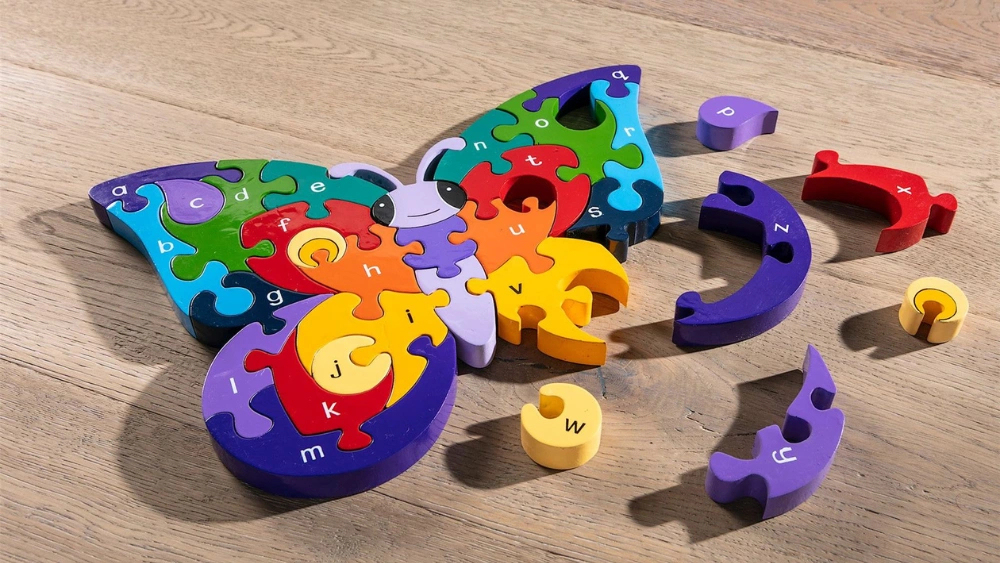
Imagine watching your child’s eyes light up as they fit the last piece of a puzzle into place. It’s a small victory, but it’s packed with big benefits.
You might wonder why puzzles are more than just a fun activity for your little one. The answer lies in their powerful ability to shape young minds. At ages 3 to 5, your child is at a crucial stage of development, where every experience can leave a lasting impact.
Puzzles are not just toys; they’re tools that boost brain power, enhance problem-solving skills, and nurture creativity. Curious to find out how these colorful pieces can make a difference in your child’s growth and learning? Let’s delve into the reasons why puzzles are a fantastic choice for your child’s playtime.

Credit: www.amazon.ca
Cognitive Benefits
Puzzles offer strong cognitive benefits for children aged 3 to 5. They help young minds grow by encouraging thinking and learning. Playing with puzzles strengthens essential brain skills that support later success in school and daily life. These activities challenge children to think clearly and improve their mental abilities.
Enhancing Problem-solving Skills
Children learn to solve problems by figuring out how puzzle pieces fit together. This process teaches them patience and persistence. They practice recognizing shapes, patterns, and colors, which boosts their logical thinking. Each puzzle completed builds confidence in handling new challenges.
Improving Memory And Concentration
Puzzles require children to remember shapes and the image they are creating. This practice improves short-term memory and attention to detail. Focusing on the task helps increase their concentration span. These skills support learning and understanding in other areas of life.

Credit: www.sensorysouk.com
Motor Skill Development
Motor skill development is a crucial part of early childhood growth, especially for children aged 3 to 5. Puzzles offer a hands-on way to enhance these skills by encouraging kids to use their hands and eyes together. Through playful engagement, children learn to control their movements better and prepare for more complex tasks ahead.
Boosting Hand-eye Coordination
Hand-eye coordination improves when children match puzzle pieces to the right spots. This activity requires them to look closely, judge distances, and place pieces accurately.
Have you noticed how your child’s focus sharpens as they work on a puzzle? That’s their brain and hands syncing up to solve a problem. This skill is essential not only for puzzles but also for everyday activities like writing and catching a ball.
Refining Fine Motor Skills
Handling small puzzle pieces helps refine fine motor skills by strengthening the tiny muscles in children’s fingers and hands. These movements build the foundation for tasks such as buttoning clothes and using utensils.
Try giving your child puzzles with differently shaped pieces to challenge their grip and finger control. You’ll see their precision improve with each attempt, boosting confidence and independence.
Emotional Growth
Emotional growth is a key part of early childhood development. Puzzles help children ages 3-5 develop important emotional skills. These toys teach children how to handle challenges and manage their feelings. Puzzles also help children feel proud of their achievements. Playing with puzzles creates a safe space for children to explore emotions and build resilience.
Building Patience And Persistence
Puzzles require children to focus and try different pieces. This helps them learn patience as they wait to find the right fit. Children also develop persistence by not giving up easily. They practice solving problems step by step. Each attempt teaches them that effort leads to progress. These experiences improve emotional control and calmness.
Encouraging Confidence And Independence
Completing a puzzle gives children a sense of success. This boosts their confidence in their abilities. They feel proud when they finish a puzzle on their own. This feeling encourages them to try new tasks independently. Puzzles support children in trusting themselves and making decisions. These moments build strong emotional foundations for future challenges.

Credit: www.amazon.ca
Social Interaction
Puzzles offer more than just fun and learning. They are excellent tools for social interaction among children aged 3 to 5. Playing with puzzles encourages kids to connect with others. This interaction builds important social skills early on. It helps them understand teamwork and communication in a playful setting.
Promoting Cooperative Play
Puzzles invite children to work together. They share pieces and ideas to complete the picture. This cooperation teaches patience and turn-taking. Kids learn to listen and respect others’ choices. Cooperative play with puzzles strengthens friendships and group bonds. It also reduces feelings of frustration by sharing the task.
Enhancing Communication Skills
While solving puzzles, children talk about shapes and colors. They ask questions and give answers. This back-and-forth improves their speaking and listening skills. Puzzles create opportunities to practice new words and phrases. Children explain their thinking, boosting confidence in expressing themselves. Clear communication becomes a natural part of playtime.
Frequently Asked Questions
Why Are Puzzles Beneficial For Children Aged 3-5?
Puzzles develop critical thinking and problem-solving skills in young children. They improve hand-eye coordination and enhance memory. Puzzles also boost patience and perseverance. These skills are essential for early childhood development and future learning success.
How Do Puzzles Improve Fine Motor Skills In Toddlers?
Puzzles require children to grasp, hold, and fit pieces together. This activity strengthens finger muscles and improves dexterity. It enhances hand-eye coordination and precision. Fine motor skills gained through puzzles support writing and other daily tasks.
Can Puzzles Help With A Child’s Cognitive Development?
Yes, puzzles stimulate cognitive skills like reasoning, spatial awareness, and concentration. They encourage children to recognize shapes, patterns, and colors. This mental challenge promotes brain development and improves logical thinking abilities in early childhood.
What Social Skills Do Children Learn From Puzzles?
Working on puzzles together teaches sharing, cooperation, and communication. Children learn to take turns and solve problems collaboratively. These interactions build teamwork and emotional intelligence. Puzzles foster social development in a fun, engaging way.
Conclusion
Puzzles help young children learn and grow every day. They improve thinking skills and hand-eye coordination. Kids feel proud when they finish a puzzle. This builds their confidence and patience too. Playing with puzzles also encourages focus and problem-solving. These toys are fun and educational at the same time.
Choosing puzzles for ages 3 to 5 supports early development well. A simple toy with many benefits. A smart choice for happy, healthy kids.