

Have you ever wondered why some toys seem to do more than just entertain your child? Educational toys do something special—they help your child learn while having fun.
These toys can boost your child’s creativity, problem-solving skills, and even their confidence. If you want to give your child a head start in life, understanding why educational toys are important will change the way you choose playtime. Keep reading to discover how these toys can shape your child’s future in ways you might not expect.
Credit: keyirobot.com
Boosting Cognitive Skills
Boosting cognitive skills is a key benefit of educational toys. These toys help children think clearly and understand the world. Kids develop their memory, attention, and reasoning abilities. This mental growth supports learning in school and everyday life. Educational toys make thinking fun and challenging.
Enhancing Problem Solving
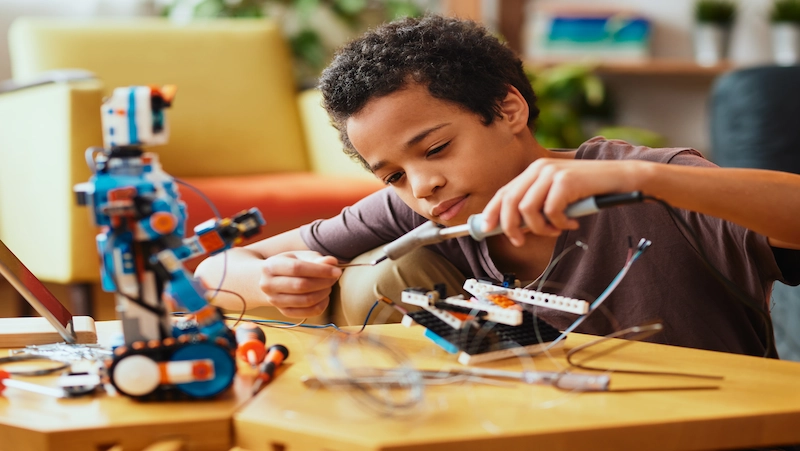
Educational toys encourage children to face challenges. Puzzles, building blocks, and sorting games require finding solutions. Kids learn to plan steps and try different ways. This practice builds their ability to solve problems independently. It also teaches patience and persistence.
Stimulating Creativity
Creativity is vital for mental growth. Toys like art sets, construction kits, and role-playing items inspire imagination. Children explore new ideas and express themselves freely. This creative play helps develop original thinking and innovation. It also boosts confidence in trying new things.
Credit: medium.com
Encouraging Social Development
Encouraging social development through educational toys plays a vital role in shaping how children interact with others. These toys create opportunities for kids to practice key social skills in a natural and enjoyable way. When children engage together, they learn to navigate relationships, understand emotions, and develop empathy.
Promoting Cooperation
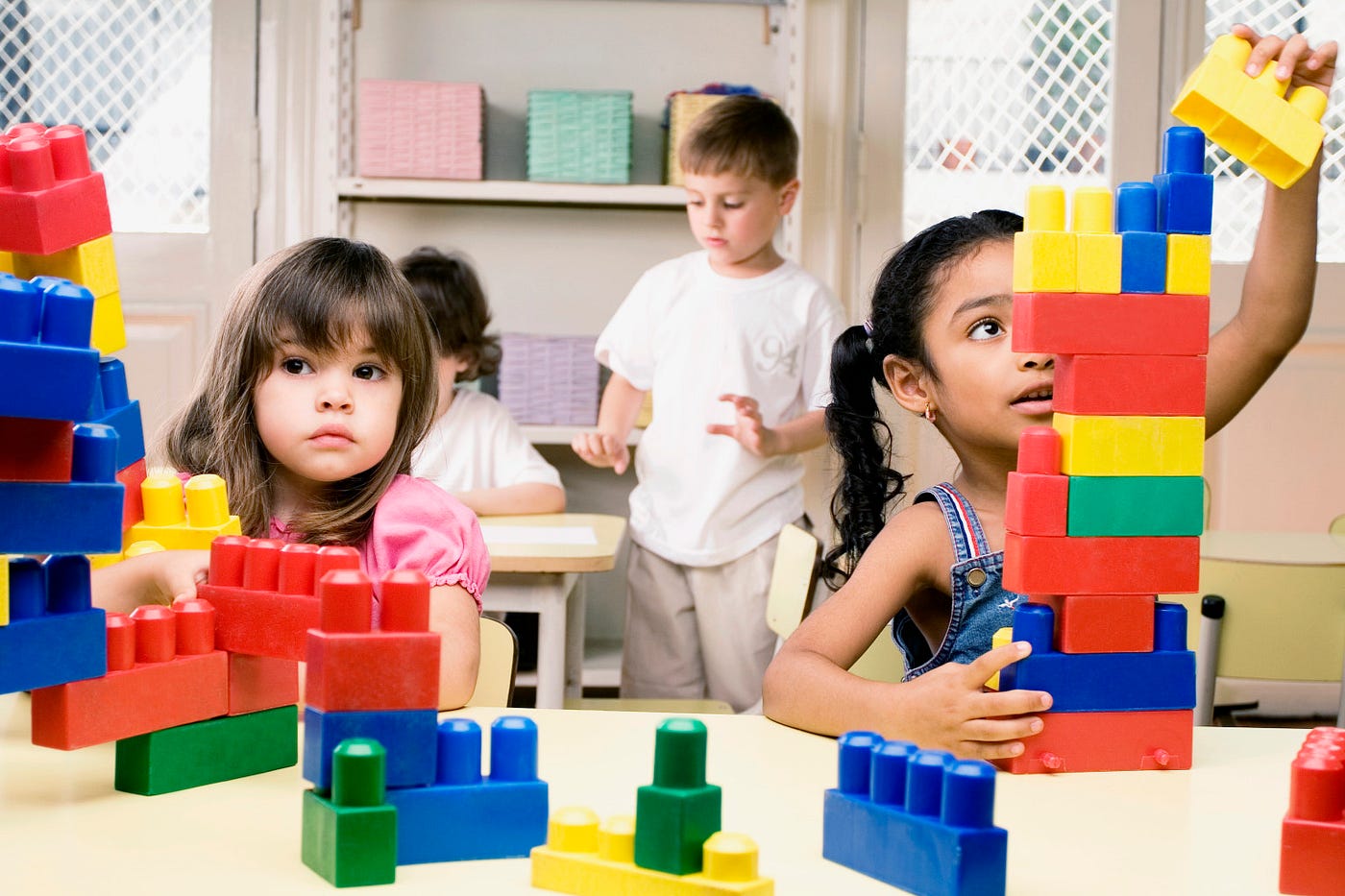
Educational toys often require kids to work as a team. This helps them learn how to share, take turns, and solve problems together. Imagine a puzzle that needs multiple hands to complete—children quickly realize that cooperation speeds up success.
When your child collaborates on a building set or a board game, they practice patience and respect for others’ ideas. These moments build a foundation for positive group experiences in school and beyond. Have you noticed how your child reacts when they win or lose a game? These toys teach them to handle both gracefully.
Building Communication Skills
Many educational toys encourage kids to talk, listen, and express themselves clearly. Role-playing games, for instance, invite children to use language to create stories and negotiate roles. This kind of play sharpens vocabulary and boosts confidence in speaking.
When your child explains rules or asks for help during play, they practice essential conversational skills. It also helps them read social cues and respond appropriately. Could a simple toy spark your child’s interest in sharing their thoughts more openly?
Supporting Emotional Growth
Educational toys do more than teach facts and skills. They play a key role in a child’s emotional growth. These toys create safe spaces for kids to explore feelings and reactions. Through play, children learn about themselves and others. They become better at handling emotions and gaining confidence.
Fostering Confidence
Educational toys challenge children in fun ways. Success with a toy helps kids feel proud and capable. They try new things without fear of failure. This builds strong self-esteem early on. Confidence gained through play encourages children to face real-life challenges.
Managing Emotions
Playing with educational toys helps children understand their feelings. Toys can show cause and effect, teaching patience and control. Kids learn to deal with frustration when puzzles get hard. They also practice sharing and cooperation with peers. These experiences build emotional skills needed for daily life.

Credit: www.slideshare.net
Preparing For Future Learning
Preparing your child for future learning starts with the right tools today. Educational toys do more than entertain; they build essential skills that shape how children approach new challenges. These toys lay the groundwork for concentration and a love of discovery, which are critical for success in school and beyond.
Developing Focus
Focus is a skill that grows with practice, and educational toys provide that practice naturally. Toys like puzzles or building blocks require children to pay attention to details and complete tasks step-by-step. This helps your child learn to block out distractions and stay engaged.
Have you noticed how your child’s attention span improves when they play with toys that challenge them just enough? This hands-on engagement trains their brain to concentrate for longer periods, which is essential for classroom learning and homework.
Cultivating Curiosity
Curiosity drives learning, and educational toys spark that desire to explore. Toys that encourage problem-solving or open-ended play invite your child to ask questions and try new approaches. This habit of questioning and experimenting strengthens their ability to learn independently.
Think about a time your child was fascinated by a toy and kept coming back to it, discovering something new each time. This shows how curiosity keeps them motivated and ready to absorb more complex ideas later on. How can you provide more opportunities for your child to explore and stay curious?
Frequently Asked Questions
What Benefits Do Educational Toys Offer Children?
Educational toys boost cognitive skills, creativity, and problem-solving. They promote hands-on learning and improve social interaction in children. These toys encourage curiosity and develop fine motor skills, aiding overall growth and academic readiness.
How Do Educational Toys Support Early Childhood Development?
They enhance language, memory, and critical thinking abilities. Educational toys stimulate sensory experiences and foster emotional intelligence. Early use helps build foundational skills essential for school success and lifelong learning.
Can Educational Toys Improve Social Skills In Kids?
Yes, many educational toys encourage group play and cooperation. They teach sharing, communication, and empathy. Playing with peers using these toys helps children develop important social behaviors and confidence.
Are Educational Toys Suitable For All Age Groups?
Educational toys are designed for various developmental stages. Age-appropriate toys ensure safety and effective learning. Parents should choose toys that match their child’s skills and interests for best results.
Conclusion
Educational toys play a crucial role in child development. They spark curiosity and encourage learning through play. Children develop problem-solving skills with these toys. They also improve motor skills and hand-eye coordination. Social skills grow as kids play together. Imagination and creativity flourish with these tools.
Parents can guide learning through these toys, making education fun. Quality time spent with educational toys benefits both kids and parents. Investing in them supports a child’s overall growth. Choose toys that match a child’s interests and age. They are a valuable resource in a child’s learning journey.