

As a parent, you eagerly anticipate every milestone your baby reaches. One of the most heartwarming moments is when your little one starts to show interest in toys.
It’s not just about playtime; it’s a crucial step in their development. But when exactly does this fascination begin? Understanding the timeline can help you support your baby’s growth and provide the right kind of stimulation. You may find yourself wondering if it’s too soon or if you’re missing a key opportunity.
By knowing what to expect, you can better engage with your baby and make playtime both fun and educational. Read on to discover when your baby might start reaching for that colorful rattle or cuddly teddy bear, and how you can make the most of this exciting phase.
Credit: www.thebump.com
Early Signs Of Toy Interest
Babies start to show interest in toys very early. This interest is a sign of their growing senses and motor skills. Parents often notice small changes that indicate a baby’s curiosity about toys. These signs help understand how babies interact with their world.
Visual Tracking And Focus
Babies begin to follow objects with their eyes. Bright colors and moving toys catch their attention. They can focus on a toy for a few seconds. This shows their developing vision and brain connection. Visual tracking is one of the first ways babies explore toys.
Reaching And Grasping Movements
Babies try to reach out for toys they see. Their hands move toward objects within reach. Grasping shows muscle control and hand-eye coordination. At first, the grip may be loose or clumsy. Over time, babies get better at holding toys firmly.
Milestones In Toy Interaction
Babies begin to interact with toys as they grow and develop their senses. These milestones mark important steps in their learning journey. Watching a baby explore toys shows how their brain and body work together. Each new skill builds their understanding of the world. Parents can support this growth by providing safe and interesting toys.
Exploring With Hands And Mouth
At around 2 to 4 months, babies start to use their hands to touch toys. They grasp objects and bring them to their mouth. This helps them learn about texture and shape. Babies use their mouth to explore because it is very sensitive. Mouthing toys is a natural way to discover new things. This stage improves hand-eye coordination and sensory awareness.
Recognizing Favorite Toys
By 6 months, babies begin to recognize their favorite toys. They show excitement when they see familiar objects. Babies may reach out or smile at these toys. They remember the toy’s color, shape, and feel. This recognition builds memory and emotional connection. Favorite toys often become comfort objects during play and rest.
Encouraging Play And Engagement
Encouraging play and engagement is key to a baby’s growth. Play helps babies learn about the world. It boosts their senses and motor skills. Parents and caregivers can support this by making playtime fun and interactive. Simple steps can make a big difference in how babies respond to toys.
Choosing Age-appropriate Toys
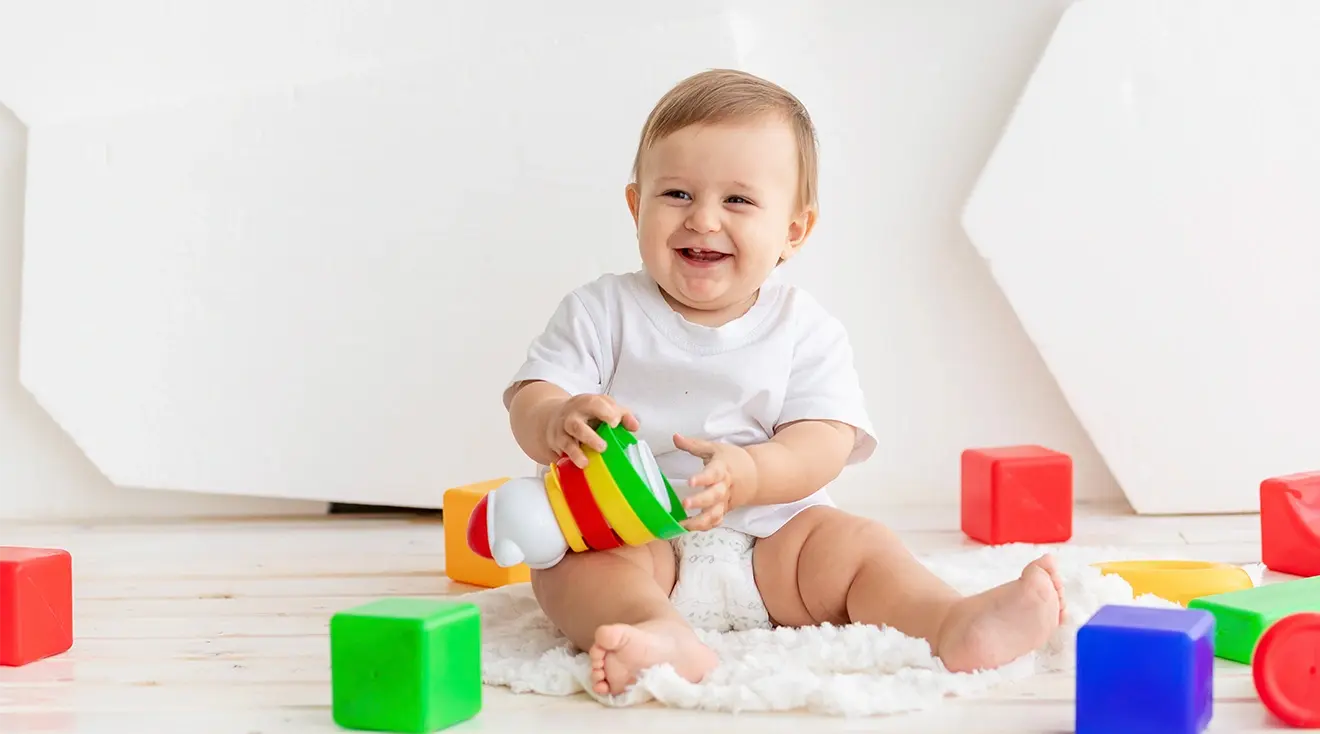
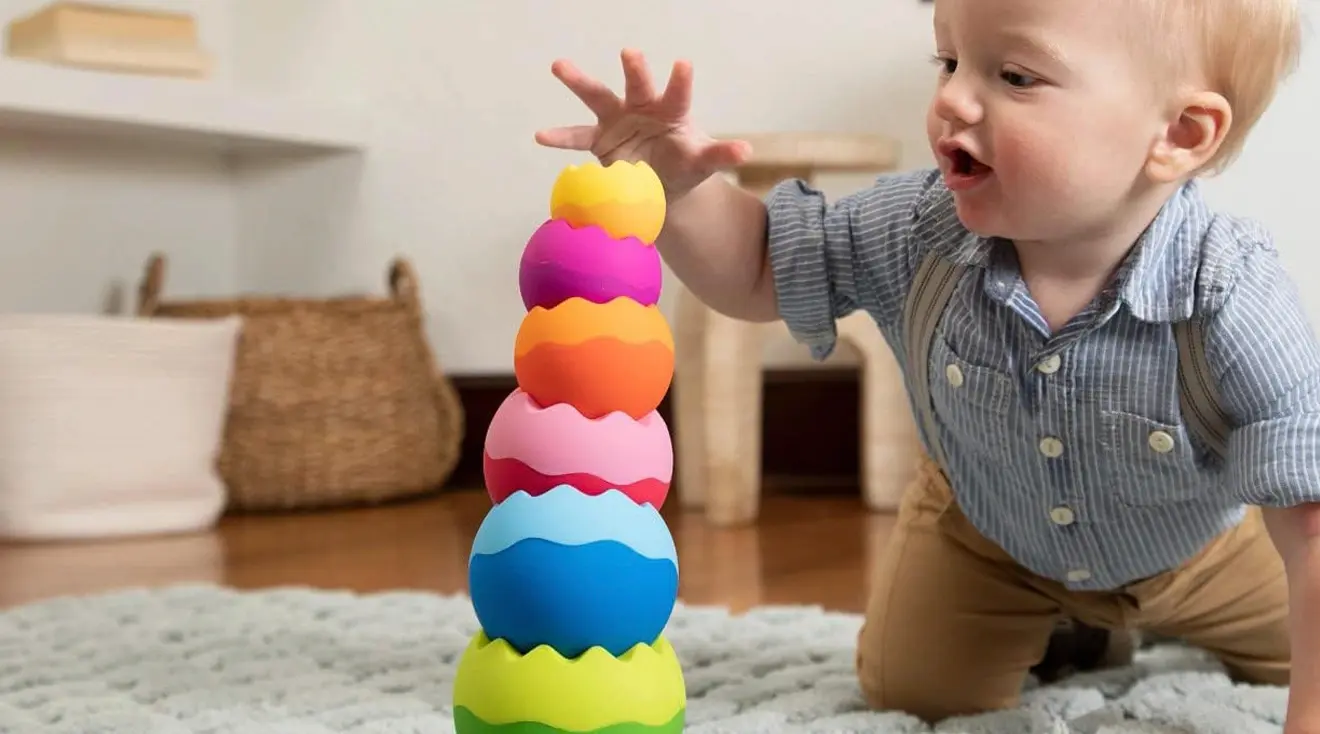
Select toys that match your baby’s age and abilities. Toys too advanced can frustrate them. Toys too simple might not hold their interest. Look for bright colors and different textures. Soft toys, rattles, and teething rings work well for young babies. As babies grow, introduce blocks, stacking cups, and simple puzzles. These help develop hand-eye coordination and problem-solving skills.
Creating A Stimulating Environment
Make the play area safe and inviting. Use a clean, soft mat or blanket on the floor. Place toys within easy reach to encourage grabbing and exploring. Change toys regularly to keep things fresh. Include mirrors, music toys, and soft books. Talk, sing, and smile during play. Your attention makes playtime more exciting and meaningful for your baby.
Credit: www.thebump.com
When To Seek Advice
Babies usually show interest in toys by reaching out, looking, or smiling. Sometimes, they take longer to engage with toys. Knowing when to seek advice helps support your baby’s growth. Early attention can make a big difference.
Delayed Interest In Toys
Babies typically begin exploring toys around 3 to 6 months. If a baby shows little or no interest by 9 months, parents should watch closely. Lack of reaching, grabbing, or looking at toys might signal a delay. This delay could affect other skills like movement or communication.
Signs Of Developmental Concerns
Look for these signs as possible red flags:
- No eye contact with toys or people by 6 months
- No attempts to grasp or hold objects by 7 months
- Limited or no babbling or vocal sounds
- Stiff or floppy body movements
- No response to sounds or visual stimuli
These signs may indicate developmental issues. A healthcare professional can assess and guide next steps. Early help supports better outcomes for your baby.
Credit: www.thebump.com
Frequently Asked Questions
When Do Babies Start Showing Interest In Toys?
Babies typically show interest in toys around 3 to 4 months old. At this age, they begin to focus on bright colors and simple shapes. Interest grows as their vision and motor skills develop.
What Types Of Toys Attract Newborn Babies?
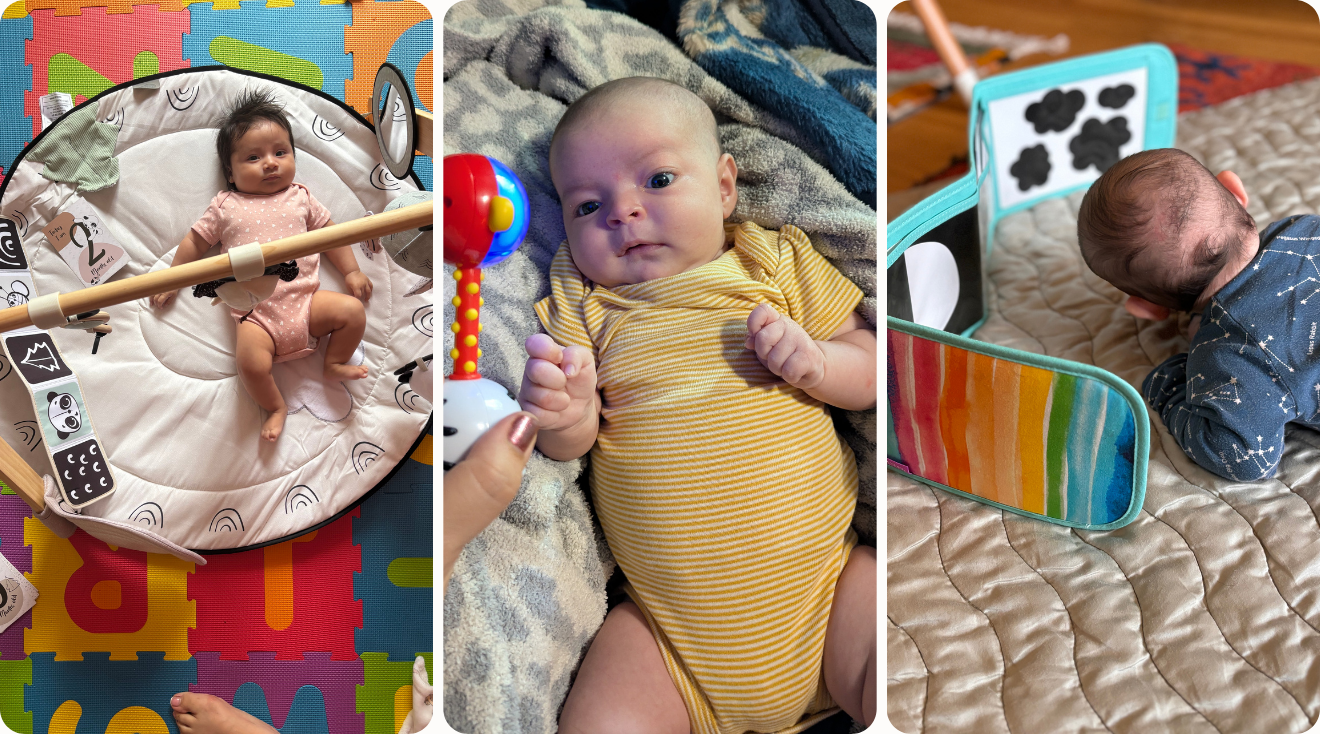
Newborns prefer high-contrast toys with black, white, and red colors. Soft textures and gentle sounds also catch their attention. These toys help stimulate their developing senses.
How Can I Tell If My Baby Likes A Toy?
Babies show interest by reaching, grasping, or staring at toys. Smiling or cooing also indicates enjoyment. Their engagement increases as they explore the toy’s features.
When Should I Introduce Different Toys To My Baby?
Introduce new toys gradually from 3 months onwards. Choose age-appropriate toys that match your baby’s developmental stage. Variety encourages learning and keeps their interest alive.
Conclusion
Babies start showing interest in toys as they grow and explore. Around two to three months, they begin to notice colors and shapes. By six months, many reach for and hold toys. Playing with toys helps babies learn and develop skills.
Parents should offer safe, simple toys to encourage curiosity. Watching a baby play reveals their unique personality. Each child grows at their own pace. Enjoy these moments—they are special and important for growth. Toys open doors to learning and fun for little ones.