

Are you wondering when your little one is ready for their first toys? You’re not alone.
As a parent, you want to ensure you’re providing the best for your baby, but it’s easy to get overwhelmed with all the options out there. Toys are more than just fun; they play a crucial role in your baby’s development.
They stimulate senses, encourage exploration, and help develop essential skills. You might be surprised to learn how early your baby can start benefiting from toys, and how these seemingly simple objects can make a big impact on their growth. So, when exactly does your baby need toys, and what should you consider when choosing them? Stick around, and we’ll unravel the mystery together, guiding you through each step of your baby’s playful journey.

Credit: www.aliloai.com
Signs Babies Are Ready For Toys
Babies show clear signs when they are ready for toys. Recognizing these signs helps parents choose the right toys at the right time. Toys can support growth and learning when introduced at the right moment.
Age Milestones
At around 3 to 4 months, babies start reaching and grabbing. This milestone shows growing interest in objects. By 6 months, many babies begin sitting up and exploring with their hands. Around 9 months, babies often enjoy toys they can shake or bang. These age markers guide parents to introduce toys that match their baby’s development.
Behavioral Cues
Babies ready for toys often watch objects closely. They may smile or show excitement when new items appear. Some try to touch or put things in their mouth. Babies may also try to move toward toys or reach out eagerly. These behaviors signal curiosity and readiness for play.
Motor Skill Development
As motor skills improve, babies gain better control of hands and fingers. They begin to grasp small items and transfer toys between hands. Fine motor skills help babies explore textures and shapes. Toys that encourage squeezing, stacking, or pressing aid this development. Watching these skills grow helps parents pick suitable toys.
Credit: www.thebump.com
Types Of Toys For Different Ages
Choosing the right toys for your baby can feel overwhelming, especially as they grow quickly and their needs change. Different ages demand different types of toys to support their development effectively. Understanding which toys suit each stage helps you provide meaningful play experiences that encourage learning and fun.
Newborn Toys
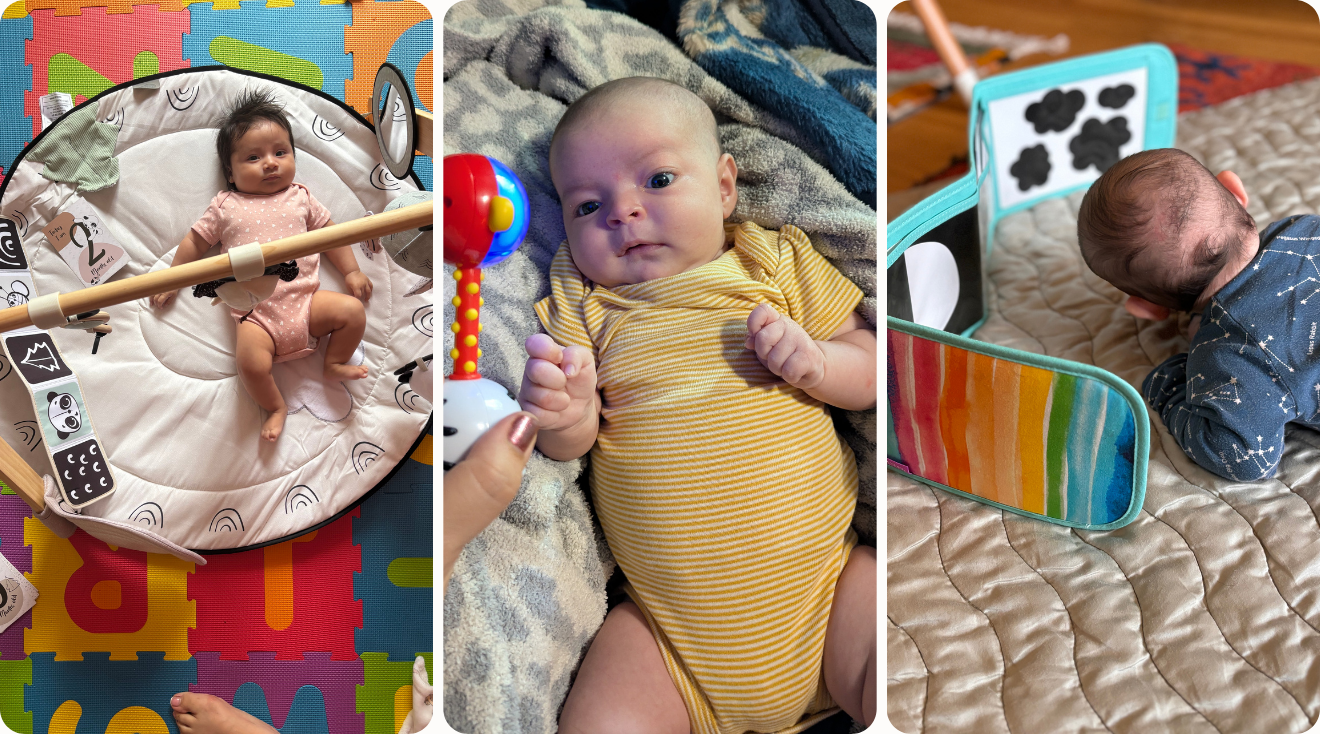
Newborns are just beginning to explore the world through their senses. Toys with high-contrast black and white patterns catch their attention best. Soft rattles and gentle mobiles can stimulate their sight and hearing without overwhelming them.
Simple textures encourage tactile exploration, so consider fabric toys or soft cloth books. Remember, at this stage, toys should be safe for mouthing and easy to clean. Have you noticed how your baby reacts to different shapes or sounds?
Toys For 3 To 6 Months
Between three and six months, babies gain better control of their hands and start reaching for objects. Toys that encourage grasping, like colorful rings or soft blocks, help develop their fine motor skills. Look for items that make gentle noises when squeezed or shaken to keep them engaged.
Teething toys become valuable as gums get sore around this time. Introducing toys with varied textures can soothe discomfort and promote sensory exploration. What toys does your baby prefer to hold or mouth during this stage?
Toys For 6 To 12 Months
As babies near their first year, they become more mobile and curious about cause and effect. Toys that encourage crawling, stacking, or pushing support their physical and cognitive growth. Think about activity centers, shape sorters, or pull toys that challenge their problem-solving skills.
Interactive toys with buttons, lights, or sounds can captivate their attention and motivate exploration. It’s a great time to introduce books with flaps or textures to boost language and sensory development. Which toys spark your baby’s curiosity the most at this age?
Benefits Of Toys For Baby Growth
Toys play a vital role in a baby’s growth. They help babies learn about the world. Toys support many areas of development. Babies explore, discover, and practice new skills through play. Choosing the right toys can boost a baby’s progress in many ways.
Cognitive Development
Toys help babies think and solve problems. Simple puzzles and blocks teach cause and effect. Babies learn to recognize shapes, colors, and sizes. Toys encourage memory and attention skills. Playing with toys builds brain connections.
Sensory Stimulation
Toys provide different textures, sounds, and colors. These stimulate the baby’s senses. Bright colors catch their eyes and improve vision. Soft toys teach about touch and feeling. Toys with sounds help babies hear and focus better.
Physical Coordination
Toys encourage babies to move and practice skills. Grasping toys helps develop hand strength. Reaching and crawling for toys improves motor skills. Toys that roll or bounce promote movement. Physical play builds balance and coordination.
Safe Toy Selection Tips
Choosing the right toys for your baby is more than just picking something colorful or noisy. Safety should always be your top priority. Knowing what to look for can prevent accidents and keep playtime fun and worry-free.
Material Safety
Always check what the toy is made of. Avoid toys with harmful chemicals like BPA, phthalates, or lead. Opt for natural materials like untreated wood or BPA-free plastics.
Soft fabrics should be free from dyes that might irritate your baby’s skin. If your little one tends to put toys in their mouth, consider silicone or rubber toys designed specifically for teething.
Size And Shape Considerations
Toys must be large enough to prevent choking hazards. A good rule is that anything smaller than a ping pong ball is risky for babies under three years. Check for small parts that can easily detach or break off.
Look for smooth edges and rounded corners. Sharp edges or pointy parts can cause cuts or scratches during play. Think about how your baby plays—can they grab it securely without hurting themselves?
Cleaning And Maintenance
Babies put toys in their mouths, so cleanliness is crucial. Choose toys that are easy to wash with soap and water or dishwasher safe. Avoid toys with intricate parts that trap dirt or moisture.
Regularly inspect toys for wear and tear. Damaged toys can harbor bacteria or become dangerous if parts break off. How often do you check your baby’s toys for safety?

Credit: www.youtube.com
Frequently Asked Questions
When Should Babies Start Playing With Toys?
Babies can start playing with simple toys around 3 months old. At this age, toys help develop their senses and motor skills safely.
What Types Of Toys Are Best For Newborns?
Soft, textured, and colorful toys are best for newborns. They stimulate touch and sight without posing any choking hazards.
How Do Toys Benefit A Baby’s Development?
Toys support cognitive, motor, and sensory growth. They encourage exploration, hand-eye coordination, and problem-solving skills in babies.
When Do Babies Need Interactive Toys?
Interactive toys are ideal from 6 months onward. They engage babies with sounds, lights, and movement, boosting learning and curiosity.
Conclusion
Babies start to enjoy toys as they grow and explore. Toys help them learn about the world around them. Choose safe, simple toys that match their age and skills. Watching your baby play shows when they need new toys. Playtime supports their brain, motor, and social growth.
Remember, the best toys encourage curiosity and fun. Every baby develops at their own pace. Trust your instincts and enjoy these special moments together. Toys are tools to help your baby discover and smile. Keep playtime joyful and safe for the best results.