

Watching your baby grow is a thrilling experience filled with moments of awe and surprise. One of these magical milestones is when your little one starts grabbing toys.
It’s not just about play; it’s a sign of their developing skills and curiosity. You might be wondering, “When do babies grab toys? ” This is a question that every parent asks at some point. Understanding this can give you insight into your child’s growth and help you support their development.
We will dive into the when and why of this important phase, giving you a clear picture of what to expect and how to encourage your baby’s new skills. Stick around to discover fascinating facts and tips that will make you see your baby’s tiny hands in a whole new light.

Credit: en.babyconnect.com
Early Reflexive Grasping
Early reflexive grasping is your baby’s first step toward exploring the world through touch. Even before they can intentionally reach for toys, their tiny hands respond automatically to stimuli. Understanding these early reflexes helps you recognize the natural progression in your baby’s motor skills.
Reflex Grasp In Newborns
Newborns come with a built-in reflex called the palmar grasp. When you gently place a finger or toy in their palm, they automatically close their fingers around it. This reflex is strong but not intentional—it’s your baby’s body reacting rather than a conscious decision.
This grasp doesn’t last forever; it usually fades by around 3 to 4 months. During this time, you might notice your baby gripping objects tightly without purpose. This reflexive action lays the groundwork for more controlled movements to come.
Transition To Intentional Reaching
Around 3 to 4 months, you’ll see your baby’s grasp change from reflexive to intentional. They start to reach out purposefully for toys or objects that catch their attention. This shift shows their growing hand-eye coordination and cognitive awareness.
Encourage this by placing colorful or textured toys within your baby’s reach. Notice how their fingers begin to open and close deliberately. Have you watched your baby suddenly realize they can actually grab something? It’s a small moment that signals big progress.

Credit: www.tinylandus.com
Developing Hand-eye Coordination
Developing hand-eye coordination is a crucial skill for babies as they grow. It helps them learn to control their movements and interact with the world. This skill starts to develop early and improves over time through practice and exploration. Babies begin by watching objects closely and then try to reach and grab them. This process involves both their eyes and hands working together.
Tracking Moving Objects
Babies start by following moving objects with their eyes. They focus on things that move slowly across their field of vision. This helps their brain connect what they see with how their body should respond. Tracking builds the foundation for reaching and grabbing later. Parents can encourage this by holding toys and moving them gently from side to side.
Reaching For Toys Purposefully
After tracking, babies begin to reach for toys on purpose. Their movements become more controlled and less random. Reaching shows that they understand the location of objects. It also helps improve muscle strength and coordination. Toys with bright colors or interesting textures attract their attention and motivate them to reach out.
Improving Grip And Control
Watching your baby learn to hold onto toys is a fascinating process that shows how their grip and control improve over time. This skill is not just about strength but also about developing coordination and fine motor skills. Understanding these stages helps you support your child’s growth effectively.
Palmar Grasp Progression
The palmar grasp is the first way babies grab objects. At around 3 to 4 months, your baby will start using their whole hand to hold toys, wrapping their fingers around rather than using individual fingers.
This grasp is strong but not very precise. You might notice your baby holding onto a rattle or teething ring with their palm and all fingers, but they can’t easily release or adjust their grip yet.
Encourage this by offering toys that are easy to hold, like soft balls or chunky blocks. Does your baby seem to enjoy feeling different textures while holding? That sensory input builds their grip strength and awareness.
Pincer Grasp Emergence
Between 8 and 10 months, babies start developing the pincer grasp. This means they can pick up small objects using their thumb and one finger, usually the index finger.
This skill marks a huge leap in control and precision. When your baby begins to pick up cheerios or small toy parts, they’re practicing this important grip.
Try placing small, safe items within reach to motivate your baby to practice. Have you noticed how this newfound ability changes their interaction with toys and even mealtime?
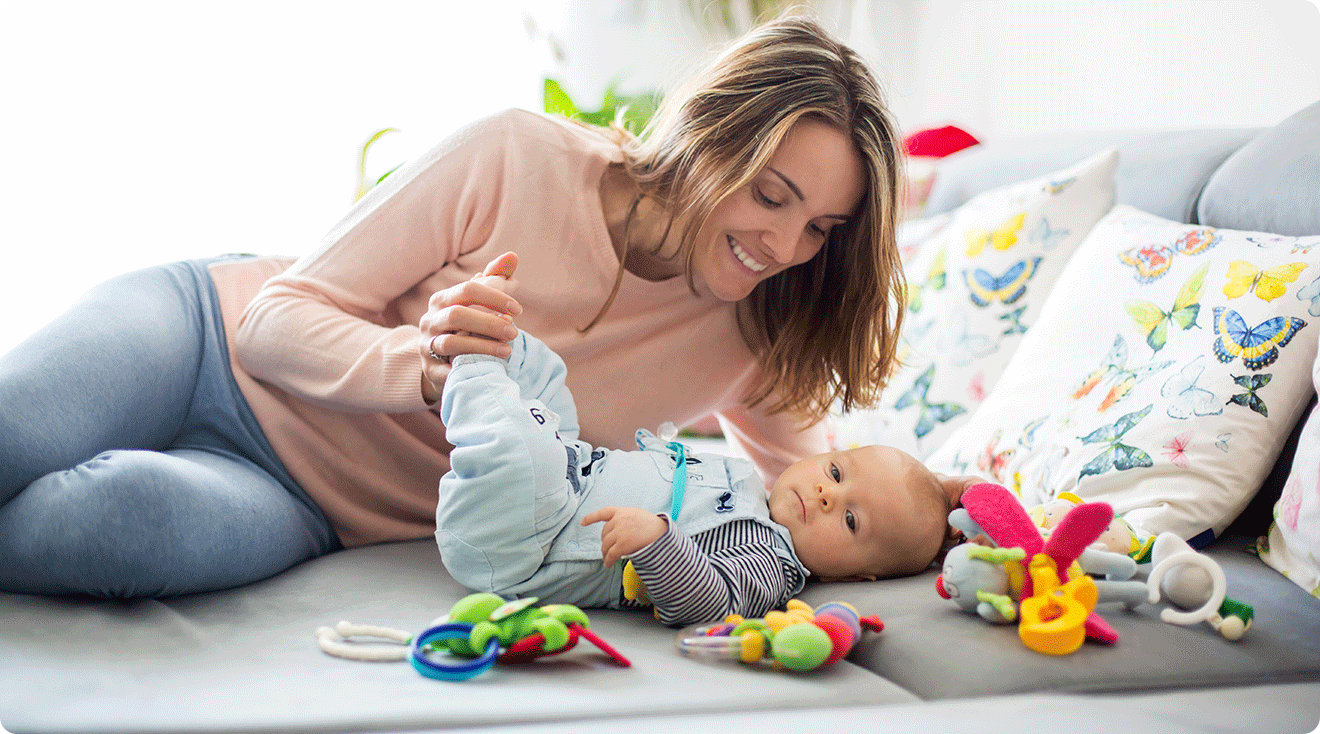
Credit: www.thebump.com
Encouraging Toy Interaction
Encouraging babies to interact with toys helps their hand-eye coordination and motor skills. Early engagement with toys supports brain development and curiosity. Gentle guidance and the right environment make a big difference. Parents and caregivers can create moments that invite babies to explore objects with their hands.
Choosing Age-appropriate Toys
Select toys that match your baby’s current abilities. Soft, lightweight toys are easier for little hands to hold. Bright colors and simple shapes attract their attention. Toys with different textures encourage tactile exploration. Avoid toys with small parts to keep playtime safe.
- Soft rattles and teething rings for newborns
- Light blocks and plush animals for 3-6 months
- Easy-grip cups and stacking rings for 6-9 months
Activities To Boost Grasping Skills
Simple activities help babies practice grabbing. Offer toys just within reach to motivate reaching and grasping. Play peek-a-boo with small toys to catch their interest. Let babies hold different objects during playtime. Encourage hand movements with gentle clapping or finger plays.
- Place toys in a soft basket for self-discovery
- Use a play mat with attached toys to promote grabbing
- Support sitting position to improve arm control
Frequently Asked Questions
When Do Babies Start Grabbing Toys?
Babies typically begin grabbing toys around 3 to 4 months old. At this stage, their hand-eye coordination improves, allowing them to reach and grasp objects intentionally.
How Does Toy Grabbing Help Baby Development?
Grabbing toys enhances fine motor skills and hand strength. It also supports cognitive growth as babies learn cause and effect through play.
What Types Of Toys Do Babies Grab First?
Babies first grab soft, colorful, and lightweight toys. These are easier to hold and stimulate their senses, encouraging exploration and interaction.
When Should I Worry If Baby Doesn’t Grab Toys?
If a baby doesn’t grab toys by 6 months, consult a pediatrician. Delayed grasping may indicate developmental or motor skill concerns needing evaluation.
Conclusion
Babies usually start to grab toys around 3 to 4 months old. This skill shows their growing hand strength and coordination. Playing with toys helps babies learn and explore their world. Parents can encourage this by offering safe, colorful objects.
Every baby develops at their own pace, so patience is key. Watching your baby grab toys brings joy and pride. Keep providing chances for practice and fun. This simple act marks an important step in your baby’s growth journey.