

Have you ever wondered what toys children played with long ago? Imagine holding a doll made thousands of years before plastic or fabric were common.
What materials did the Romans use to create their toys? If you’re curious about the secrets behind Roman toy dolls and what they were made of, you’re about to discover fascinating details that bring history to life. Keep reading to uncover the surprising and simple materials that shaped playtime in Roman times—and how those ancient dolls connect to your own childhood memories.
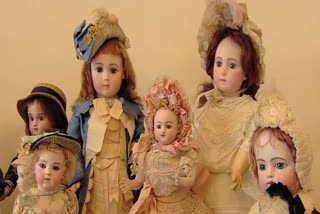
Credit: www.etvbharat.com
Common Materials For Roman Toys
Roman toys offer a fascinating glimpse into the daily lives and creativity of ancient children. The materials used to make these toys were often simple yet durable, reflecting the resources available at the time. Understanding what these toys were made of can help you appreciate the craftsmanship and cultural values behind each piece.
Clay And Terracotta Figures
Clay was one of the most common materials for Roman toys. Children often played with small figures made from terracotta, a type of baked clay. These figures could represent animals, gods, or everyday people, giving kids a chance to act out stories and lessons.
Terracotta toys were easy to shape and bake, making them accessible to many families. You might be surprised to learn that some of these toys were painted, adding a splash of color to the playtime experience. Have you ever thought about how these simple materials lasted so long through centuries?
Wooden Doll Creations
Wood was another popular material for Roman toys, especially for dolls and miniature furniture. Skilled artisans carved wood into detailed figures, often smoothing the surfaces for a comfortable grip. Wooden toys were lightweight, perfect for children to carry around and play with outdoors.
Many wooden toys have not survived due to decay, but archaeological finds show they were common. Imagine holding a wooden doll crafted over 2,000 years ago—how would it change your perspective on play? You can still create simple wooden toys today, connecting with that ancient tradition.
Bone And Ivory Use
Bone and ivory were considered luxury materials, often used to make smaller, intricate toys. These materials allowed for fine detailing, which made toys more appealing and sometimes collectible. Roman children from wealthier families likely enjoyed toys carved from these precious substances.
Using bone and ivory required skill and patience, showing the value placed on these toys. Think about the contrast between a rough clay figure and a delicate ivory carving—what does that tell you about social status in Roman times? Your own toy choices might reflect your values more than you realize.

Credit: www.thebabyhampercompany.com
Textile And Leather Dolls
Textile and leather dolls played a significant role in the lives of children during Roman times. These dolls were not just toys; they reflected the craftsmanship and materials available in that era. Understanding what these dolls were made of can give you a glimpse into the daily life and creativity of Roman families.
Fabric Dolls And Stuffing
Roman fabric dolls were often handmade using scraps of cloth, which were readily available in households. The fabric was usually simple, such as linen or wool, chosen for its durability and ease of sewing.
Stuffing these dolls was an art in itself. Materials like wool, cotton, or even dried herbs were used to fill the dolls, giving them a soft, huggable form. Have you ever thought about how the choice of stuffing could affect a child’s attachment to their doll?
These fabric dolls sometimes featured embroidered details to represent facial features and clothing, adding a personal touch. This made each doll unique, much like how you might customize toys today.
Leather Craftsmanship In Toys
Leather was another common material used to create Roman dolls. Skilled artisans crafted dolls from tanned animal hides, which provided a sturdier and longer-lasting toy compared to fabric.
The leather dolls often had movable limbs, attached by small leather strips or cords, allowing for basic movement. Imagine how exciting it must have been for a child to play with a doll that could move its arms and legs!
Leather also offered a chance to experiment with textures and shapes, making these dolls more lifelike. It’s interesting to consider how the use of leather might have influenced a child’s tactile experience and imaginative play.
Metal And Stone Figurines
Metal and stone figurines in Roman times were more than just toys; they were small pieces of art that reflected the culture and skills of their makers. These materials offered durability and detail, making the figurines treasured objects for children and adults alike. Understanding what these figurines were made of helps you appreciate the craftsmanship behind ancient Roman playthings.
Bronze Miniatures
Bronze was a popular metal for making small figurines because it was strong yet easy to mold. Roman artisans created tiny bronze dolls and animals that could fit in a child’s hand. These miniatures often displayed remarkable detail, from facial expressions to clothing folds, showing the skill involved.
Children might have used these bronze toys for imaginative play, but adults also collected them as decorative items. Have you ever held something so small yet so heavy that it felt valuable? That’s the kind of experience these bronze miniatures offered.
Stone Carved Dolls
Stone figurines were carved from materials like marble or limestone, making them heavier and less fragile than clay but still delicate enough for detailed work. Unlike bronze, stone toys were often smoother and had a polished finish. These dolls sometimes represented gods, mythological figures, or everyday people.
Stone dolls might have served as talismans or educational tools, helping children learn about Roman beliefs and stories. Imagine holding a smooth stone figure that has survived thousands of years—what stories could it tell you about the past? The tactile feel of stone connects you directly to ancient Roman life.
Surprising Organic Materials
Toys in Roman times were often made from materials found in nature. Many of these items were organic. These materials gave toys a unique look and texture. They also made toys safe and easy to craft. Romans used simple things around them to create playthings for children.
The use of organic materials shows creativity and resourcefulness. These toys were not just fun but also connected children to the natural world. The materials were easy to find and shape. This made toys accessible to many families.
Seeds And Nuts As Toy Components
Seeds and nuts were popular for making small toy parts. Their size and shape made them perfect for doll eyes or buttons. Sometimes, they were strung together to make necklaces for dolls. They added a natural touch and durability to the toys.
These natural pieces were light and easy to carry. Children could gather them from gardens or forests. Seeds and nuts were simple yet effective materials for decorating toys. They often lasted long without breaking.
Shells And Natural Decorations
Shells were another common material for Roman toys. Their smooth surfaces made attractive decorations. Shells were glued or sewn onto dolls and miniature figures. They gave toys a shiny, colorful appearance.
Using shells connected toys to the sea and nature. Sometimes, small shells were used as tiny containers or accessories. These natural decorations made toys more beautiful and interesting. They showed the Romans’ love for nature’s gifts.

Credit: www.discovermagazine.com
Frequently Asked Questions
What Materials Were Used For Roman Toy Dolls?
Roman toy dolls were mainly made from clay, wood, and bone. These materials were easily accessible and shaped by hand. Clay dolls were often painted, while wooden dolls showed simple carvings. Bone dolls were less common but durable, reflecting the resourcefulness of Roman artisans.
How Durable Were Roman Toy Dolls?
Roman toy dolls were fairly durable, especially those made from wood and bone. Clay dolls were more fragile but could last if handled carefully. The durability depended on the material and craftsmanship, allowing many dolls to survive as archaeological artifacts today.
Were Roman Toy Dolls Decorated Or Plain?
Many Roman toy dolls were decorated, especially clay and wooden ones. Paint and simple carvings added facial features and clothing details. This decoration made the dolls more lifelike and appealing to children, reflecting Roman artistic skills and cultural values.
Did Roman Children Play With Toy Dolls?
Yes, Roman children often played with toy dolls. These dolls were common toys used for entertainment and learning social roles. They helped children practice caregiving and imagination, showing the importance of play in Roman childhood development.
Conclusion
Toy dolls in Roman times reflected the materials of their era. Wood, bone, and ivory were common. Each material told a story of culture and lifestyle. Children cherished these dolls, just like today. Their simplicity was their charm. Dolls were not just toys.
They were companions. Learning about them connects us to the past. Imagine a child holding a wooden doll. Or a bone-crafted figure. These toys show the creativity of ancient artisans. They also reveal the lives of Roman families. Exploring their history gives us insight.
Into a world long gone. Yet still fascinating.