

Imagine holding a piece of history in your hands, a glimpse into the playful side of ancient Rome. When you think of the Romans, grand architecture and gladiators might come to mind.
But what about the toys that Roman children played with? Specifically, those charming toy dolls that have fascinated historians and collectors alike. What were they made of? This question might just surprise you and spark a deeper curiosity about daily life in ancient times.
By understanding the materials used, you’ll uncover secrets about Roman culture, economy, and even their social values. Curious to learn more? Keep reading, and you’ll discover the intriguing world of Roman toy dolls and what they reveal about the past.
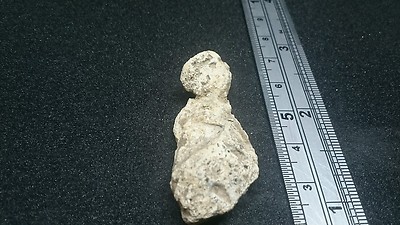
Credit: www.ebay.co.uk
Common Materials For Roman Dolls
Roman toy dolls were crafted from materials found in daily life. These materials were easy to shape and long-lasting. Kids played with dolls made from clay, wood, bone, and ivory. Each material gave the dolls a unique look and feel. Understanding these materials helps us see how Roman children enjoyed their toys.
Clay And Terracotta
Clay was a popular choice for making dolls. It was soft and easy to mold into shapes. After shaping, the dolls were baked to harden. Terracotta dolls often had simple facial features. They could be painted to add color. These dolls were affordable and widely available.
Wooden Figures
Wood was another common material. Craftsmen carved wood into doll shapes with knives. Wooden dolls were sturdy and lasted a long time. They were sometimes painted or dressed with cloth. Wood gave dolls a smooth and solid texture. These figures were popular among children of all ages.
Bone And Ivory
Bone and ivory were rare and precious materials. They created small, detailed dolls for wealthy families. These dolls were smooth and elegant. Carvers used tools to make fine details. Bone and ivory dolls showed high skill and care. They were often kept as keepsakes or gifts.
/https://tf-cmsv2-smithsonianmag-media.s3.amazonaws.com/filer_public/4a/05/4a05905d-9112-46d0-9d03-f0e648765a57/gettyimages-521176379.jpg)
Credit: www.smithsonianmag.com
Textiles And Leather Dolls
Roman toy dolls were crafted using various materials, including textiles and leather. These materials offered flexibility and durability. They allowed children to enjoy soft, lifelike dolls. Textiles and leather dolls reflected the daily life and skills of Roman artisans.
Fabric Construction
Textile dolls were often made from woven cloth. Wool and linen were the most common fabrics. Artisans stuffed the dolls with materials like wool or hay. Simple stitches held the cloth pieces together. Some dolls had painted or embroidered faces. Clothes and accessories were sometimes sewn onto the dolls. These dolls were light and easy to carry.
Leather Use In Doll Making
Leather was another popular material for Roman dolls. It was strong and flexible. Artisans shaped leather into doll bodies and limbs. They stitched pieces tightly to keep the form. Some leather dolls had movable parts. The surface was often painted or decorated. Leather dolls could last longer than textile ones. They showed the skill of Roman leatherworkers well.
Metal And Glass Components
Roman toy dolls often featured metal and glass parts to add detail and durability. These materials helped make the dolls more realistic and long-lasting. Metal and glass were carefully crafted and combined with other materials like wood or clay. Such components showed skilled workmanship and made toys more attractive to Roman children.
Metal Accessories
Metal parts were common in Roman dolls for accessories and joints. Small metal pieces created jewelry, belts, and helmets for the dolls. These items made the toys look like real people or soldiers. Metal also formed movable joints, allowing dolls to pose or move limbs. Bronze and iron were typical metals used for these details. The use of metal added strength and a touch of luxury to the dolls.
Glass Eyes And Decorations
Glass was often used for doll eyes to give a lifelike appearance. Glass eyes reflected light and appeared more vivid than painted eyes. Sometimes, tiny glass beads decorated clothing or jewelry on the dolls. These glass elements caught the eye and added sparkle. The skillful use of glass showed the care and artistry in making Roman toys. Glass components made dolls more special and realistic for their young owners.
Credit: www.metmuseum.org
Cultural Significance Of Materials
The materials used to make Roman toy dolls carried deep cultural meaning. These choices reflected more than just availability or durability. They spoke about the child’s social world and the local culture. Materials conveyed status, wealth, and regional identity. They also influenced how children and families viewed the dolls. Each material held symbolic value and practical significance.
Social Status Reflected In Doll Materials
Rich families preferred dolls made from costly materials like ivory or glass. These dolls showed wealth and high rank. Poorer families used wood, clay, or simple cloth dolls. The quality and decoration of the doll often matched the family’s social class. Sometimes, dolls had real hair or tiny jewels. Such details made the doll a status symbol. Toys were not just playthings but signs of social standing.
Regional Variations In Material Choice
Different regions in the Roman Empire used locally available materials for dolls. Coastal areas favored shells and bone. Inland areas used wood or clay from nearby lands. Climate also affected material choice; humid regions avoided materials that could rot easily. This diversity made each doll unique to its place. Regional craft traditions influenced the style and materials used. Dolls acted as small cultural tokens from each part of the empire.
Frequently Asked Questions
What Materials Were Roman Toy Dolls Made From?
Roman toy dolls were commonly made from clay, wood, ivory, and bone. These materials were durable and easy to shape for children’s playthings. Clay dolls were often painted, while wooden and ivory dolls showed fine craftsmanship.
How Did Romans Make Clay Toy Dolls?
Romans shaped clay into doll forms and baked them to harden. They then painted features and clothing details using natural pigments. This process made the dolls both sturdy and visually appealing for children.
Were Roman Toy Dolls Decorated Or Plain?
Many Roman toy dolls were decorated with painted faces and clothing. Some had molded hair and facial features for realism. Decorations made the dolls more attractive and helped children imagine different characters.
Did Roman Toy Dolls Have Movable Parts?
Some Roman dolls featured movable limbs attached with string or pins. This allowed limited movement, making play more interactive. However, most dolls were simple solid figures without articulation.
Conclusion
Roman toy dolls were mostly made from clay, wood, and cloth. These materials were easy to find and shape. Kids played with simple, yet charming dolls. The dolls show how Roman children spent their free time. They also reveal Roman art and culture.
Today, these dolls help us learn about ancient life. They remind us how people valued play long ago. Toy dolls connect us to history in a special way. Understanding their materials helps us appreciate Roman creativity better.