

Are you curious about how to make playtime more meaningful for your child? Imagine toys that not only entertain but also teach essential skills and spark creativity.
These aren’t just any toys; they’re educational toys, designed to enrich your child’s development. But with so many options out there, how do you choose the right ones? You’ll discover the types of toys that can boost your child’s learning while keeping them engaged and entertained.
Get ready to uncover the secrets to smarter playtime and find out how the right toys can make a world of difference in your child’s growth and happiness. Stay with us, and you’ll feel confident in selecting toys that are both fun and educational.
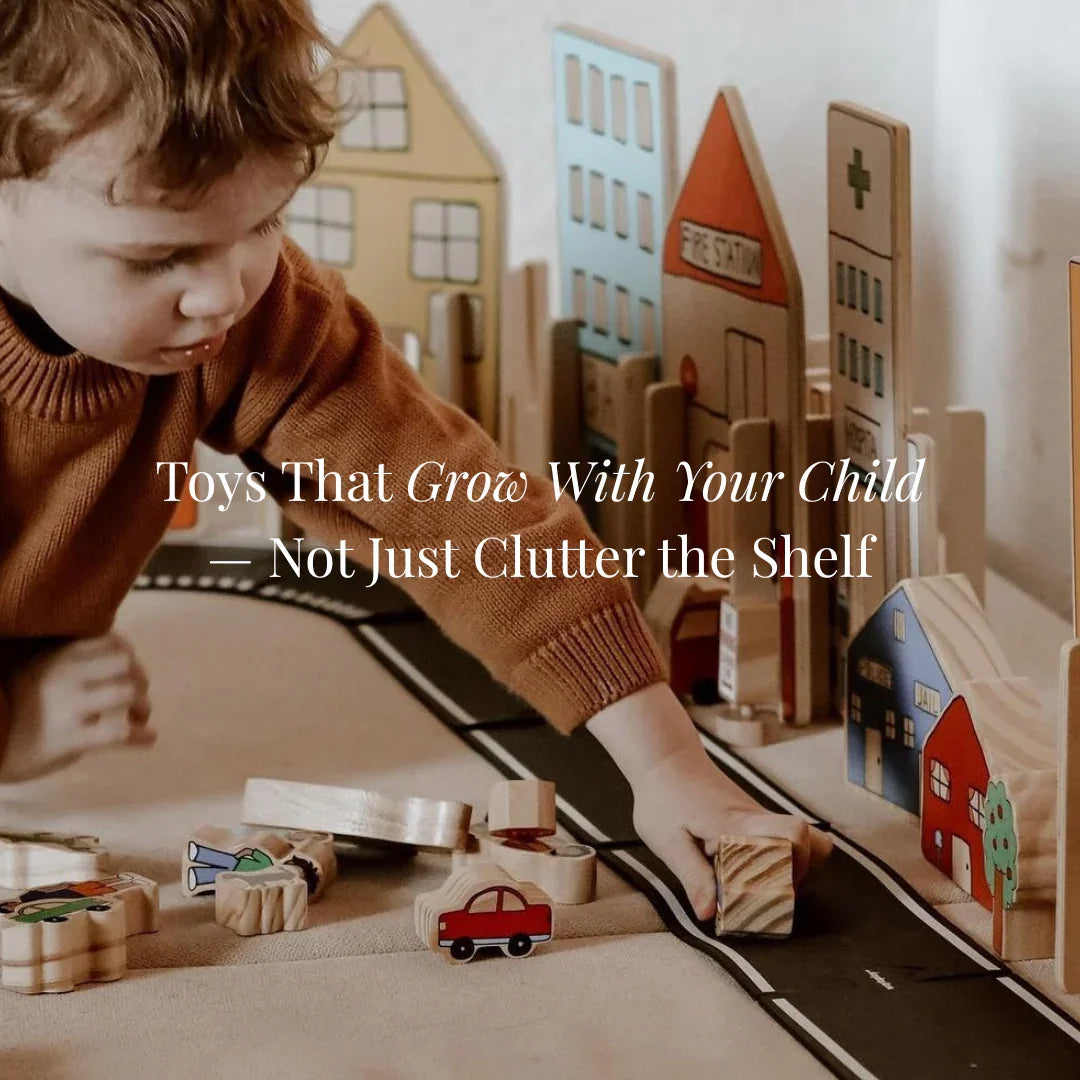
Credit: www.thecuratedparcel.com
Toys That Boost Cognitive Skills
Toys that boost cognitive skills play a crucial role in a child’s development. They challenge the brain, encouraging problem-solving, memory, and critical thinking. Choosing the right toys can make learning feel like play, keeping your child engaged and curious.
Puzzles And Brain Teasers
Puzzles and brain teasers sharpen your child’s ability to think logically and recognize patterns. Jigsaw puzzles, for instance, help improve spatial awareness and hand-eye coordination. Sudoku or memory games push your child to concentrate and remember details.
When my niece struggled with a 3D puzzle, I noticed how she paused, reconsidered, and tried new approaches until she succeeded. This process built her patience and problem-solving skills, showing how these toys do more than entertain—they teach resilience.
Building Blocks And Construction Sets
Building blocks and construction sets encourage creativity while enhancing planning and organizational skills. As your child stacks blocks or connects pieces, they learn about balance, symmetry, and cause and effect. These toys also invite imaginative play, which is essential for cognitive flexibility.
Try asking your child to build something specific, like a bridge or a tower, to boost their ability to follow instructions and visualize outcomes. This kind of guided play turns simple blocks into powerful learning tools.
Creative Play And Imagination
Creative play and imagination are essential for children’s learning and development. They allow kids to experiment, solve problems, and express their ideas in unique ways. Offering toys that encourage creativity helps build skills that matter in school and life, such as critical thinking and emotional intelligence.
Art Supplies And Craft Kits
Art supplies and craft kits give children the tools to bring their ideas to life. Simple items like crayons, colored pencils, and paper can spark endless creativity. Craft kits often include step-by-step instructions, but they also encourage kids to add their own twists and styles.
When children create art, they practice fine motor skills and learn to plan and execute projects. Have you noticed how kids get lost in drawing or building something? That focus is a key part of learning.
- Watercolor sets help kids experiment with colors and blending.
- Modeling clay teaches shapes and spatial awareness.
- DIY craft kits can include making jewelry, decorating objects, or even simple engineering tasks.
Role-playing Sets
Role-playing sets turn everyday objects into scenes for storytelling and imagination. Dressing up as a doctor, firefighter, or chef allows kids to explore different roles and practice social skills. These toys help children understand the world around them by acting out real-life scenarios.
Through role play, kids learn empathy and communication. They also develop problem-solving skills by thinking about what their character would do in various situations. Have you seen how children create entire stories during pretend play? It’s a powerful way to boost language and creativity.
- Kitchen playsets encourage understanding of daily routines and healthy habits.
- Tool kits help kids learn about building and fixing things while using their imagination.
- Dollhouses promote storytelling, planning, and fine motor coordination.
Stem-focused Toys
STEM-focused toys help children learn science, technology, engineering, and math. They make complex ideas simple and fun. Kids explore, build, and solve problems through play. These toys encourage curiosity and critical thinking. They prepare young minds for future challenges.
Science Kits And Experiments
Science kits offer hands-on learning experiences. They include materials for experiments that explain natural phenomena. Children learn about chemistry, biology, physics, and earth science. Kits often come with easy instructions and safety tips.
These toys help kids ask questions and test ideas. They see results and understand cause and effect. Experimenting builds observation and reasoning skills. It also teaches patience and attention to detail.
Coding And Robotics Toys
Coding toys introduce basic programming in a fun way. They use blocks or simple commands to control characters or devices. Robotics toys combine coding with building machines. Kids learn how technology works and how to fix problems.
These toys improve logical thinking and creativity. They teach sequencing, patterns, and problem-solving skills. Coding and robotics encourage teamwork and persistence. Children gain confidence using digital tools early on.
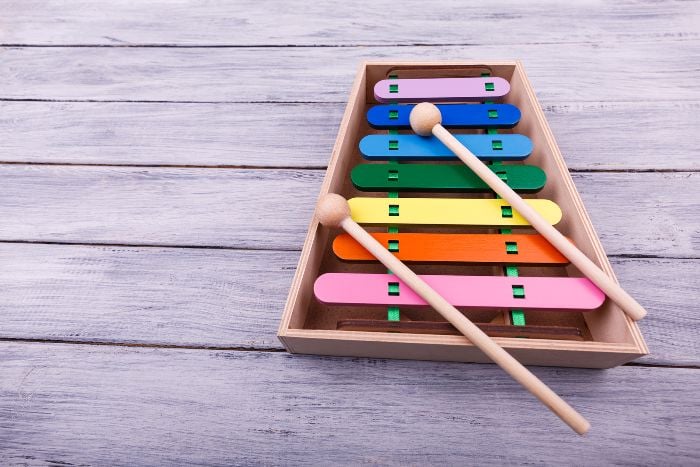
Credit: empoweredparents.co
Toys For Social And Emotional Growth
Toys that support social and emotional growth help children understand their feelings and connect better with others. These toys create opportunities for sharing, teamwork, and empathy. They encourage kids to express themselves and learn how to manage emotions in a safe environment.
Board Games And Cooperative Play
Board games are a fantastic way to teach patience, turn-taking, and fairness. When children play together, they learn to negotiate and handle winning or losing gracefully. Cooperative games, where players work as a team to reach a goal, build trust and encourage communication.
Think about a time when you played a game that required teamwork. Did it change how you approached working with others? Choosing games that require collaboration instead of competition can make a big difference in how your child develops social skills.
- Games like “Pandemic” or “Forbidden Island” require players to solve problems together.
- Simple classic games such as “Candy Land” also teach taking turns and following rules.
- Look for games with clear instructions to avoid frustration and keep the focus on interaction.
Interactive Storytelling Toys
Storytelling toys invite children to create and share stories, boosting their emotional understanding. These toys often include puppets, story cubes, or digital apps that encourage imagination and empathy. By exploring different characters and scenarios, kids practice seeing the world from other points of view.
Have you noticed how your child reacts when they play with a puppet or tell a story? These moments can reveal their feelings and help them express complex emotions. Interactive storytelling also strengthens language skills and builds confidence in social settings.
- Puppets allow children to role-play and explore emotions safely.
- Story cubes inspire creativity by offering random story elements to connect.
- Apps that prompt kids to create digital stories combine fun with emotional learning.

Credit: blushncurls.com
Frequently Asked Questions
What Types Of Toys Improve Cognitive Skills?
Puzzles, building blocks, and memory games enhance cognitive skills. They challenge the brain and improve problem-solving, attention, and reasoning abilities.
Which Toys Boost Creativity In Children?
Art supplies, role-playing sets, and construction kits boost creativity. These toys encourage imagination and allow children to express ideas freely.
Are Stem Toys Educational For All Ages?
Yes, STEM toys teach science, technology, engineering, and math concepts. They are designed for various age groups to support learning at different levels.
How Do Educational Toys Support Language Development?
Books, storytelling kits, and word games promote vocabulary and communication skills. They help children learn new words and improve sentence formation.
Conclusion
Educational toys help children learn while they play. They build skills like problem-solving, creativity, and language. Toys like puzzles, blocks, and art sets support growth. Kids enjoy learning when toys are fun and hands-on. Choosing the right toys can make a big difference.
Parents and teachers can guide children toward smart choices. Playtime becomes a chance to explore and discover. Learning through toys feels natural and exciting. Every child benefits from toys that teach and inspire.