
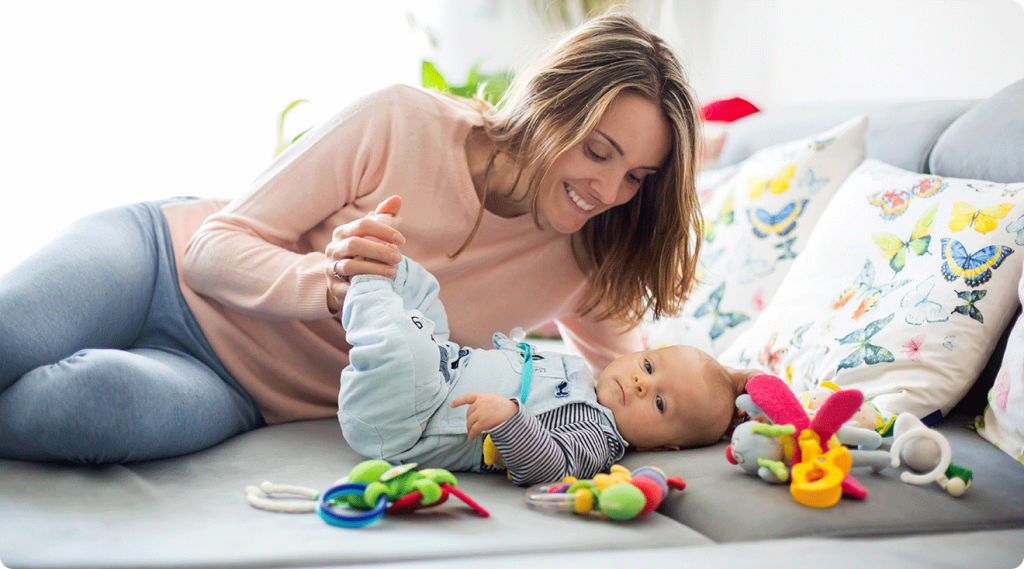
Choosing the right toys for your baby can feel like navigating a maze. With countless options lining the store shelves and popping up in online ads, it’s easy to feel overwhelmed.
But don’t worry, you’re not alone. Understanding what toys your baby truly needs can make a world of difference in their development and happiness. Imagine giving your little one a toy that not only lights up their face but also boosts their brainpower.
Intrigued? Stick around to discover the must-have toys that support your baby’s growth and bring joy to your everyday life. Let’s dive into the essentials that will turn playtime into a powerful learning adventure for your child.

Credit: www.goodhousekeeping.com
Choosing Safe Toys
Choosing safe toys is vital for a baby’s health and happiness. Babies explore the world by touching and tasting objects. Unsafe toys can cause choking, allergic reactions, or injuries. Parents must pick toys that protect and support a baby’s growth. Safety starts with checking materials and design. This helps avoid risks and ensures fun playtime.
Materials To Avoid
Some materials can harm babies. Avoid toys with:
- Lead paint or toxic chemicals
- Small parts that can break off easily
- Sharp edges or points
- Latex or rubber that might cause allergies
- Soft stuffing that can come out and choke
Choose toys made from non-toxic, BPA-free plastics or natural wood. These are safer for babies to mouth and chew.
Age-appropriate Design
Toys must match a baby’s age and skill level. Check the manufacturer’s age label before buying. Age-appropriate toys:
- Have no small parts for babies under three years
- Support motor skills for each growth stage
- Encourage safe exploration without frustration
- Are easy to clean and durable
Proper design helps babies learn and play safely. It keeps parents worry-free and babies happy.
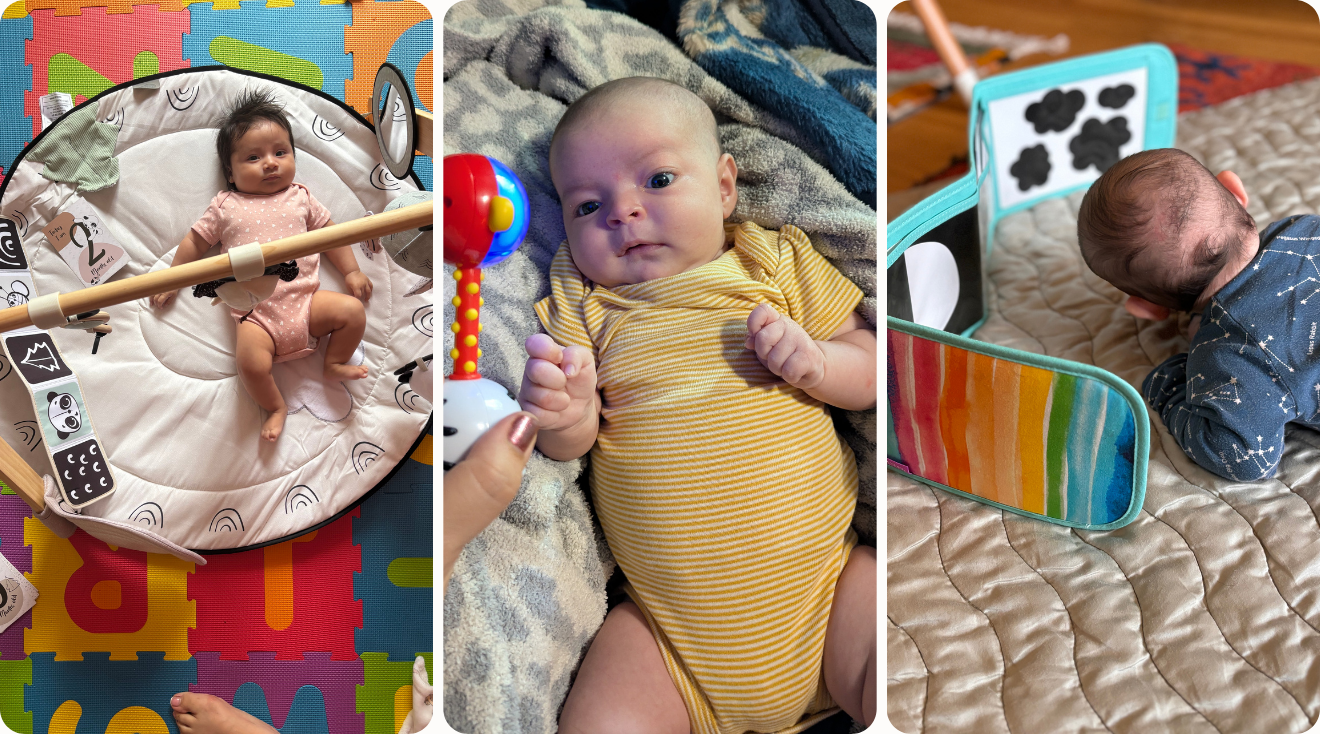
Credit: www.thebump.com
Toys For Sensory Growth
Toys for sensory growth help babies explore the world around them. These toys engage their senses and support brain development. Babies learn through touch, sight, and sound. Sensory toys encourage curiosity and focus.
Textures And Colors
Babies love to touch different textures. Soft, rough, bumpy, and smooth materials keep them interested. Bright colors attract their eyes and help with color recognition. Toys with varied textures and colors help develop fine motor skills and visual tracking.
- Soft plush toys with tags or ribbons
- Rubber teething rings with bumps
- Colorful fabric books
- Stacking rings in bright colors
Sound And Light Features
Toys that make sounds or light up catch babies’ attention. Gentle sounds like rattles or chimes promote auditory skills. Flashing lights help babies focus and learn cause and effect. These features boost sensory processing and concentration.
- Rattles with soft jingles
- Musical toys with simple melodies
- Light-up toys that respond to touch
- Crinkle toys that make soft sounds
Encouraging Motor Skills
Encouraging motor skills in babies is essential for their overall growth. Toys that promote movement help babies develop strength and coordination. These toys support both fine and gross motor skills. They engage babies in activities that require control and precision. Choosing the right toys can make a big difference in their development.
Grasping And Holding Toys
Toys designed for grasping help babies improve hand strength. Soft blocks, rings, and textured balls are perfect examples. These toys encourage babies to reach out and hold objects. Grasping toys also improve finger coordination and hand-eye coordination. Bright colors and interesting shapes attract babies’ attention and motivate play.
Push And Pull Options
Push and pull toys inspire babies to move and explore. Small wagons, toy animals on wheels, and carts are ideal. These toys encourage walking and balance. Babies learn cause and effect by pushing or pulling the toy. Such toys build leg muscles and improve coordination.
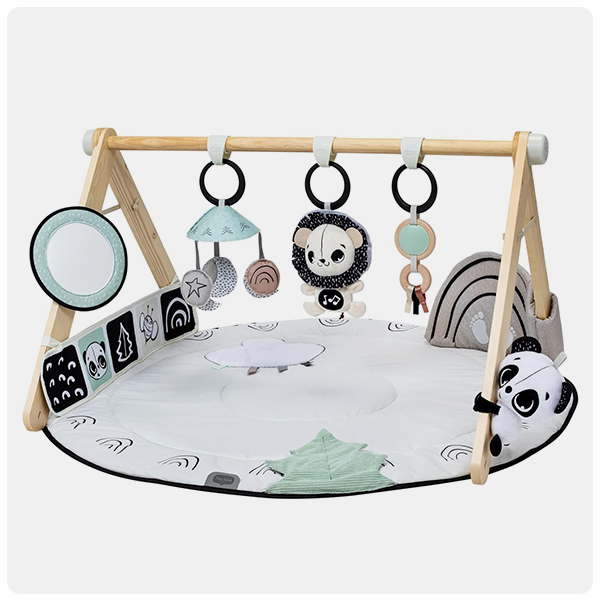
Credit: www.thebump.com
Stimulating Cognitive Development
Stimulating cognitive development in babies is crucial for building the foundation of their learning and problem-solving skills. The right toys can challenge their minds and encourage curiosity. When you choose toys that engage your baby’s brain, you help them understand the world around them better.
Shape Sorters And Puzzles
Shape sorters and puzzles are excellent for teaching babies about shapes, sizes, and spatial relationships. These toys require your baby to match pieces to the correct holes or slots, which enhances their hand-eye coordination and fine motor skills.
When my niece started using a simple shape sorter, I noticed how focused she became. She tried different pieces repeatedly until she found the right fit. This trial-and-error process boosts critical thinking and patience.
Look for toys with bright colors and different textures to keep your baby interested. Start with larger shapes and fewer pieces, then gradually introduce more complex puzzles as they grow.
Interactive Books And Blocks
Interactive books and blocks introduce babies to language, sounds, and cause-and-effect relationships. Books with flaps, textures, and sounds engage multiple senses, making reading an active experience.
Blocks allow babies to stack, knock down, and build, which teaches them about balance and coordination. When your baby builds a tower, you can encourage them by asking, “What happens if you add one more block?” This sparks curiosity and experimentation.
Choose blocks that are lightweight and safe to handle. Pair interactive books with reading time daily to build vocabulary and listening skills early on.
Frequently Asked Questions
What Are The Essential Toys For Newborn Babies?
Newborns need soft, safe toys like rattles and plush animals. These stimulate senses and encourage early development. Toys with contrasting colors help visual focus. Always choose non-toxic, washable materials for safety and hygiene.
Which Toys Promote Baby’s Motor Skill Development?
Toys like stacking blocks, activity gyms, and textured balls boost fine and gross motor skills. They encourage grasping, reaching, and hand-eye coordination. These toys engage babies in active play, which supports muscle strength and movement control.
How Do Sensory Toys Benefit Babies?
Sensory toys stimulate touch, sight, and sound, aiding brain development. They improve cognitive skills and sensory processing. Examples include textured fabrics, musical toys, and colorful mobiles. These toys help babies explore their environment safely.
When Should Babies Start Playing With Interactive Toys?
Babies can start with simple interactive toys around 3 to 6 months. Toys with buttons, lights, or sounds encourage curiosity and cause-and-effect learning. Choose age-appropriate toys that are easy to hold and safe to explore.
Conclusion
Choosing the right toys helps babies learn and grow well. Soft, colorful, and safe toys keep babies happy and curious. Simple toys like blocks or rattles boost their senses and skills. Toys that move or make sounds catch their attention easily.
Always pick toys that fit your baby’s age and needs. Playtime builds strong bonds between you and your baby. Enjoy watching your little one explore and discover new things. Good toys make early learning fun and exciting every day.