

Got a broken electronic toy lying around? Before you toss it out, consider this: that toy might just be a goldmine of possibilities.
Whether it’s a cherished childhood memory, a pricey gadget, or simply a curious piece of tech, broken electronic toys don’t have to end up in the trash. Instead, they can be repurposed, repaired, or even transformed into something entirely new.
You’ll discover creative and practical ways to breathe new life into those broken toys. You’ll not only save money but also find a sense of satisfaction in giving them a second chance. So, let’s dive in and explore the exciting options waiting for you and your broken toys.
Credit: news.cityofsydney.nsw.gov.au
Common Issues In Electronic Toys
Broken electronic toys often stop working due to a handful of common issues. Understanding these problems can help you decide whether to repair, repurpose, or recycle the toy. Knowing what usually goes wrong saves time and frustration when troubleshooting your child’s favorite gadget.
Battery And Power Problems
Dead or leaking batteries are the most frequent cause of failure in electronic toys. Sometimes the toy simply won’t turn on because the batteries are old or inserted incorrectly. Other times, corrosion from battery leaks damages the contacts, preventing the toy from receiving power.
If you’ve ever opened up a toy only to find rusty battery terminals, you know how frustrating this can be. Cleaning the contacts gently with vinegar or a pencil eraser often restores power. Have you checked your toy’s battery compartment recently?
Worn Out Or Broken Buttons
Buttons on electronic toys get a lot of use and often wear out or stop responding. Dirt, dust, or internal damage can cause buttons to stick or fail completely. This issue may make the toy unresponsive or cause it to act unpredictably.
Replacing or cleaning the buttons can sometimes fix the problem. If you’re comfortable opening the toy, try inspecting the button contacts for dirt or damage. Have you noticed your toy’s buttons feeling mushy or not clicking like before?
Speaker And Sound Failures
Sound is a big part of many electronic toys, but speakers and sound chips can break down over time. You might hear crackling, no sound at all, or distorted audio coming from the toy. Dust inside the speaker or a damaged wire could be the culprit.
Testing the sound components and replacing small speakers is often possible. Sometimes, sound problems signal a more complex electronic failure. When was the last time your toy’s sounds worked perfectly?
Faulty Wiring And Loose Connections
Inside electronic toys, tiny wires connect all the parts. These wires can break, loosen, or disconnect with rough handling or age. A loose wire might cause intermittent problems, like the toy working only when you press a certain part.
Carefully examining and resoldering loose wires can bring your toy back to life. If you spot a wire hanging inside the toy, don’t ignore it. Have you checked the toy’s internal wiring for any obvious breaks?
Software And Circuit Board Issues
Some electronic toys rely on simple circuit boards that can fail due to moisture, impact, or manufacturing defects. Issues like frozen screens, unresponsive features, or random resets often point to circuit problems. Unfortunately, these can be harder to fix without specialized tools.
Still, inspecting the board for visible damage or burnt components can help you decide if repair is worth it. Have you seen any burnt smells or discoloration inside the toy?
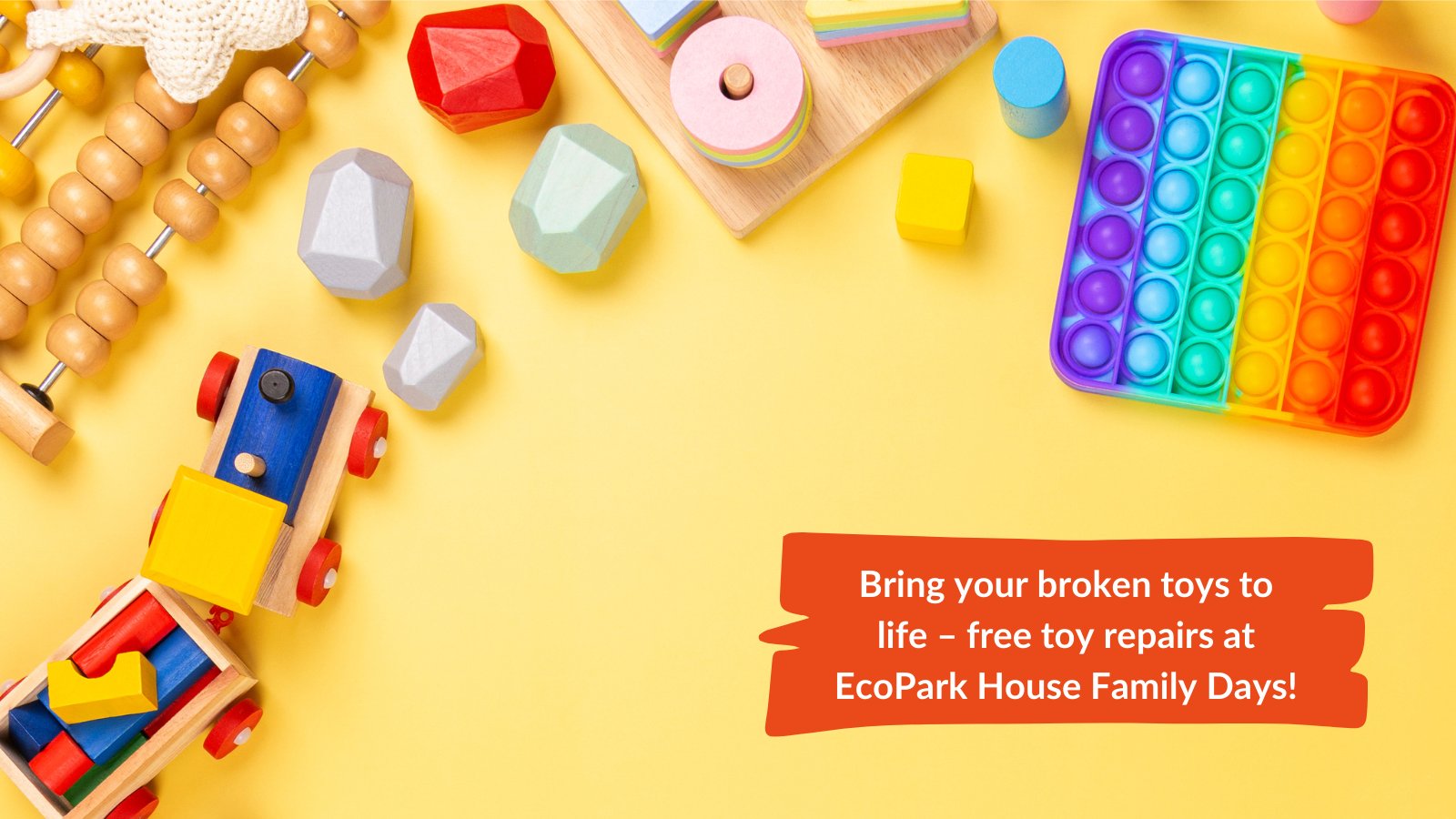
Credit: x.com
Simple Repair Techniques
Simple repair techniques help bring broken electronic toys back to life. These fixes save money and reduce waste. They also provide a fun way to learn about electronics.
Many broken toys have easy problems to solve. Small issues like loose wires, dead batteries, or stuck buttons often cause toys to stop working. Fixing these problems requires only basic tools and a little patience.
Checking And Replacing Batteries
Batteries often cause electronic toys to stop working. Remove the battery cover carefully. Take out old batteries and check for leaks or corrosion. Clean the battery contacts with a dry cloth or a small brush. Insert fresh batteries of the correct type. Close the battery cover securely and test the toy.
Fixing Loose Or Broken Wires
Loose wires inside a toy can interrupt power or signals. Open the toy’s casing with a screwdriver. Look for wires that are disconnected or broken. Use a soldering iron to reconnect loose wires, or twist wires tightly together if soldering is not possible. Be careful not to damage other parts. Close the toy and test it again.
Cleaning Stuck Or Unresponsive Buttons
Buttons can get stuck or stop working due to dirt or wear. Remove the toy’s cover and locate the buttons. Use a cotton swab dipped in rubbing alcohol to clean around the button contacts. Press the button several times to loosen it. Reassemble the toy and check if the button works smoothly.
Replacing Small Parts
Sometimes, small parts like switches, speakers, or lights may fail. Identify the broken part by careful inspection or testing. Order a replacement part online or from a local store. Follow the toy’s manual or online guides to replace the part safely. Test the toy after the replacement.
Creative Reuse Projects
Broken electronic toys do not have to be thrown away. They can find new life through creative reuse projects. These ideas help reduce waste and inspire fun crafts. Kids and adults can enjoy making something fresh from old parts.
Using pieces from broken toys sparks imagination and problem-solving. Small electronic components, buttons, and gears can transform into unique art or useful items. This approach saves money and teaches resourcefulness.
Creating Unique Art Pieces
Parts from electronic toys make great materials for art projects. Use wires, circuits, and plastic shells to build sculptures or collages. Glue and paint can add color and texture. These projects brighten up any room with a tech-inspired touch.
Building Custom Jewelry
Small gears and buttons can become cool jewelry items. Attach them to chains or earring hooks for a steampunk style. This reuse project turns trash into wearable treasures. It’s a fun way to show off creativity and love for gadgets.
Making Educational Tools
Broken toys can help children learn new skills. Use gears and switches to explain basic electronics. Create simple circuits to demonstrate how things work. This hands-on learning is more engaging than reading books alone.
Designing Diy Robots
Combine parts from several broken toys to build new robots. Use motors, wheels, and sensors to create moving models. These DIY robots encourage inventiveness and technical skills. A great project for curious minds and future engineers.
Crafting Functional Home Decor
Turn electronic toy parts into practical home decorations. Make lamps with circuit boards or clocks with gears. These items add a unique, techy look to your space. They also spark conversations about creativity and sustainability.

Credit: www.reddit.com
Safety Tips For Repairs And Reuse
Repairing and reusing broken electronic toys can be fun and rewarding. Safety must come first to avoid accidents. Broken parts and small components can cause harm if handled carelessly. Follow simple safety tips to protect yourself and others during repairs.
Use the right tools designed for small electronics. Avoid forcing parts to fit or work. Check that batteries are removed before opening toys. Damaged batteries can leak harmful chemicals. Work in a clean, well-lit area to see all parts clearly. Keep small pieces organized to prevent loss or choking hazards.
Wear Protective Gear
Wear safety glasses to protect your eyes from sharp parts. Gloves can protect your hands from cuts and chemical exposure. Avoid loose clothing or jewelry that can get caught in tools.
Handle Batteries With Care
Remove batteries before starting any repair. Dispose of damaged or leaking batteries safely. Do not try to recharge non-rechargeable batteries. Store batteries separately from metal objects to prevent short circuits.
Use Proper Tools
- Use small screwdrivers for screws.
- Use tweezers to handle tiny parts.
- Use a soldering iron only if you are trained.
Keep Work Area Child-free
Keep children and pets away from the repair area. Small parts can be choking hazards. Make sure tools are out of reach after use.
Test Toys Safely
Test repaired toys in a safe place. Avoid testing near water or flammable materials. Watch for any unusual heat, smell, or sparks.
Frequently Asked Questions
What Are Safe Ways To Dispose Of Broken Electronic Toys?
Broken electronic toys should be recycled at certified e-waste centers. Avoid throwing them in regular trash to prevent pollution. Some stores offer take-back programs. Proper disposal protects the environment and recovers valuable materials safely.
Can Broken Electronic Toys Be Repaired At Home?
Yes, minor repairs like battery replacement or loose wires can be done at home. Use proper tools and follow safety precautions. For complex issues, professional repair services are recommended to avoid further damage.
How Can Broken Electronic Toys Be Reused Creatively?
Broken toys can be repurposed into art projects, DIY gadgets, or educational tools. Salvage parts like motors, sensors, and buttons for creative reuse. This reduces waste and encourages innovation while extending the toy’s life.
Where To Donate Broken Electronic Toys?
Some schools, makerspaces, and repair workshops accept broken electronic toys for educational purposes. Donating supports learning and repair skills development. Always check the organization’s acceptance policy before donating.
Conclusion
Broken electronic toys do not have to go to waste. Repairing them can save money and reduce trash. Some parts can be reused for new projects or crafts. Recycling helps keep harmful materials out of landfills. Donating toys in good condition gives them a second life.
Always check local options for repair, reuse, or recycling. Taking small steps makes a big difference for the environment. Remember, every broken toy has value beyond its original use.