

Are you searching for a way to challenge your furry friend’s mind and keep them entertained for hours? If you have a clever canine at home, you know that mental stimulation is just as important as physical exercise.
But finding the right toy to keep them engaged can be a real puzzle. That’s where dog puzzle toys come in! These toys are designed to test your dog’s problem-solving skills and provide an exciting challenge. But not all puzzle toys are created equal.
Some are easy to solve, while others can truly stump even the smartest pups. Want to know which ones will give your dog the ultimate brain workout? Stick around as we uncover the most difficult dog puzzle toys that will keep your furry friend on their toes and their tails wagging with excitement!
Credit: www.buzzfeed.com
Top Challenging Dog Puzzle Toys
Top challenging dog puzzle toys test your dog’s intelligence and patience. These toys require problem-solving skills and keep dogs busy for longer periods. They are perfect for dogs that quickly solve simple puzzles and need more mental stimulation.
Such toys come in different designs and difficulty levels. Some involve sliding pieces, hidden compartments, or multiple steps to reach the treats. Choosing the right puzzle toy can help reduce boredom and destructive behavior in dogs.
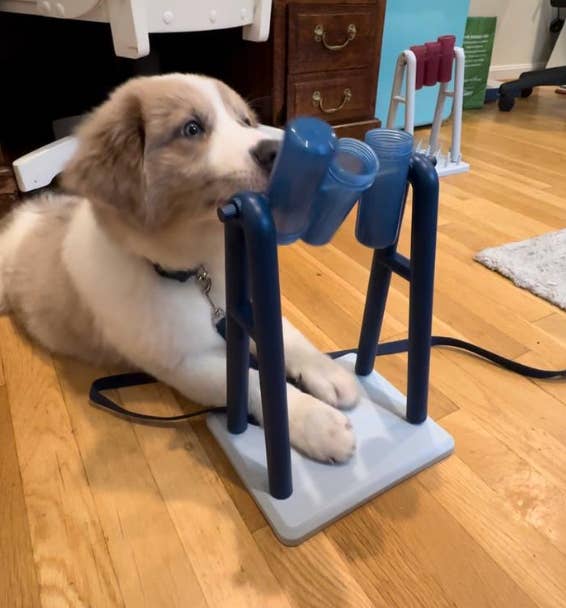
Outward Hound Nina Ottosson Dog Tornado Puzzle
This toy features rotating layers with hidden treat compartments. Dogs must spin the layers to find the snacks inside. It challenges memory and coordination, making it a favorite among puzzle toys.
Trixie Pet Products Flip Board
The Flip Board has several compartments with lids and sliders. Dogs use their nose or paws to open these and access treats. It encourages problem-solving and keeps dogs engaged longer.
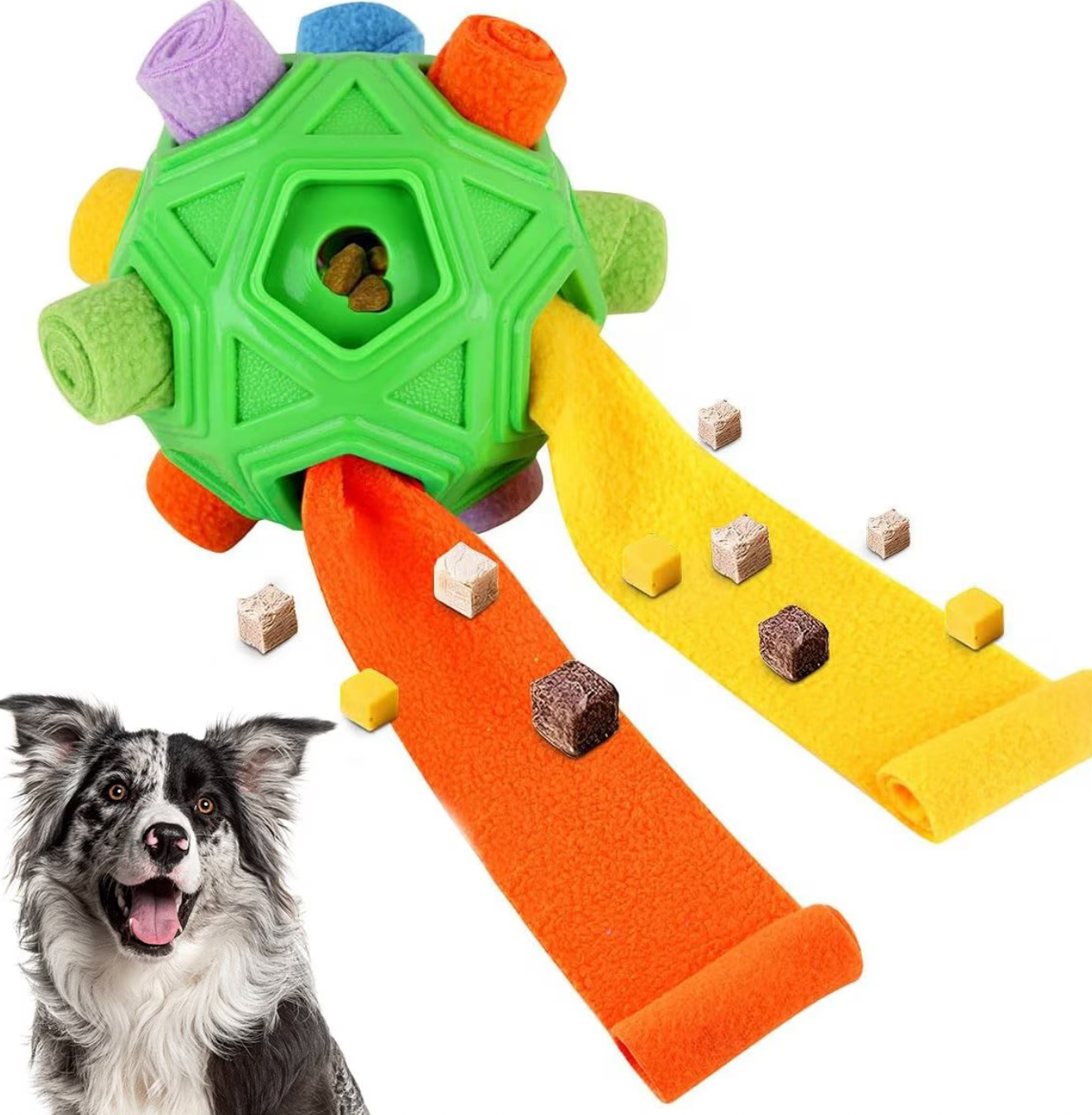
Paw5 Wooly Snuffle Mat
The Snuffle Mat mimics grass where treats are hidden in fabric folds. Dogs must sniff and forage to find the food. It is great for dogs that enjoy sniffing and searching tasks.
Outward Hound Hide N Slide Puzzle
This puzzle features sliding trays and compartments for treats. Dogs slide the panels to reveal hidden snacks. It improves mental skills and hand-eye coordination.
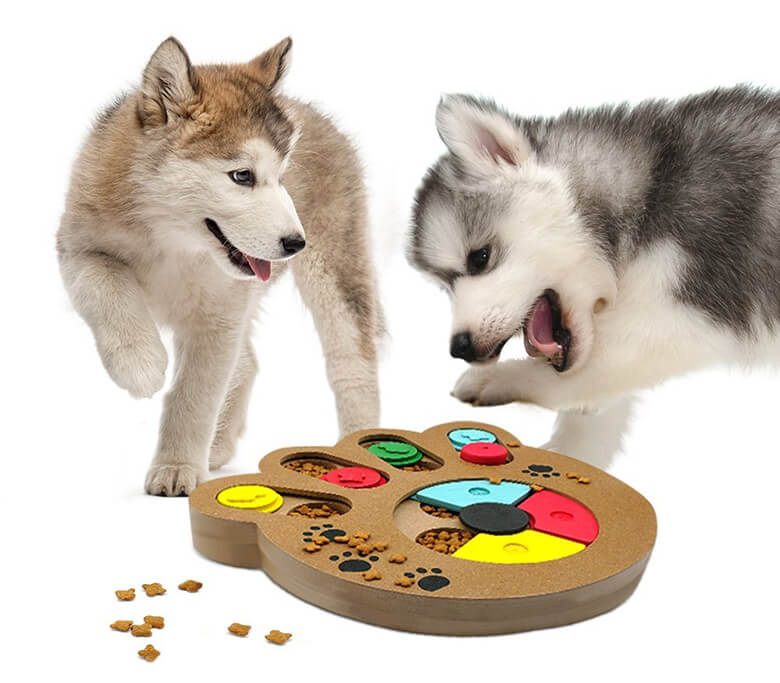
Dog Brick Interactive Puzzle Toy
The Dog Brick has multiple drawers and sliders to hide treats. Dogs learn to pull and slide pieces to get the reward. Its variety of movements makes it highly challenging.
Credit: www.buzzfeed.com
Features That Increase Difficulty
Dog puzzle toys come in many designs and styles. Some are easy, while others challenge your dog’s brain more. Certain features make these puzzles harder. These features test your dog’s memory, problem-solving, and patience.
Understanding what raises the difficulty helps choose the right puzzle for your dog. It keeps them engaged and mentally active. Below are key features that increase the difficulty of dog puzzle toys.
Multiple Steps And Layers
Toys with several steps require more actions to get the reward. Dogs must solve one part before moving to the next. Layers add complexity and make the puzzle last longer. This helps build focus and persistence.
Hidden Compartments
Some puzzles hide treats in small, covered sections. Dogs must find and open each compartment. This feature demands patience and sharp nose skills. It also encourages careful paw and nose movements.
Sliding Or Rotating Parts
Puzzles with movable pieces increase difficulty. Dogs need to slide or rotate parts correctly. These require coordination and understanding of cause and effect. It adds an interactive element that keeps dogs curious.
Varied Textures And Shapes
Different materials and shapes make puzzles harder. Dogs cannot rely on one sense alone. They explore by touch and sight, making the challenge richer. This feature improves sensory awareness and adaptability.
Time-release Mechanisms
Some toys release treats slowly or in timed intervals. Dogs must wait or try multiple times. This tests patience and reduces rapid eating. It turns playtime into a longer mental workout.
Choosing The Right Challenge Level
Choosing the right challenge level for dog puzzle toys is key to keeping your pet engaged and happy. Too easy, and your dog might get bored quickly. Too hard, and frustration can set in, making the experience less enjoyable for both of you.
Think about your dog’s personality and past experiences with toys. Have they solved puzzles before? Are they patient or easily frustrated? Matching the toy’s difficulty to your dog’s skill level helps build confidence and encourages problem-solving.
Understanding Your Dog’s Skill Level
Start by observing how your dog interacts with simpler toys. Do they figure out how to get treats fast, or do they take their time? This gives you a clear picture of their current puzzle-solving abilities.
Dogs with no prior puzzle experience usually benefit from toys with fewer compartments or simpler mechanisms. On the other hand, if your dog quickly masters basic puzzles, it’s time to introduce more complex challenges.
Signs Your Dog Needs A Tougher Challenge
- Your dog solves puzzles within seconds.
- They show excitement but finish quickly and then lose interest.
- Your dog seems to look for new ways to access the treat, experimenting with different tactics.
If you notice these signs, it’s a good signal that your dog is ready for a harder puzzle toy. Increasing difficulty keeps their brain active and prevents boredom.
Balancing Challenge And Fun
While it’s tempting to buy the most difficult puzzle toy available, balance is important. You want your dog to feel challenged but not overwhelmed.
Try introducing new toys gradually. Mix easier puzzles with harder ones during playtime. This way, your dog experiences success and motivation, preventing frustration.
Adjusting Challenge Over Time
Your dog’s abilities will improve as they practice. Keep an eye on their progress and swap toys accordingly.
Consider rotating puzzle toys every few weeks. This keeps things fresh and ensures your dog’s mind stays sharp. How often do you change your dog’s toys to keep them interested?
Tips To Train Dogs With Puzzle Toys
Puzzle toys can be challenging for dogs, especially the most difficult ones designed to test their problem-solving skills. Training your dog to use these toys effectively requires patience and a clear approach. With the right tips, you can turn any frustrating moment into a fun learning experience for both you and your dog.
Start With Simple Puzzles
Begin with easier puzzle toys to build your dog’s confidence. If you introduce a complex puzzle right away, your dog may get discouraged. Simple toys help them understand the concept and feel motivated to try harder puzzles later.
Use High-value Treats
Choose treats your dog loves but doesn’t get often. This makes the reward more exciting and encourages your dog to focus. Avoid low-value treats that might not motivate your dog to solve the puzzle.
Demonstrate How The Puzzle Works
Show your dog how to use the toy by moving the parts or revealing the treats yourself. Dogs learn a lot by watching you, especially if you make it fun and engaging. This demonstration can spark their curiosity and prompt them to try it themselves.
Be Patient And Give Plenty Of Praise
Remember, patience is key. Some dogs take longer to figure out difficult puzzles. Celebrate small successes with praise and affection to keep their spirits high.
Limit Distractions During Training
Choose a quiet, comfortable spot for training sessions. Too many distractions can make it hard for your dog to focus on the puzzle. Short, focused sessions often work better than long, distracted ones.
Increase Difficulty Gradually
Once your dog masters a simple puzzle, slowly introduce more challenging ones. This gradual increase keeps your dog engaged without overwhelming them. It also helps sharpen their problem-solving skills step by step.
Watch For Signs Of Frustration
If your dog seems stressed or gives up quickly, it’s time to take a break or switch to an easier toy. Frustration can turn a fun activity into a negative experience. Always end sessions on a positive note to keep your dog interested.
Credit: www.thisdogslife.co
Frequently Asked Questions
What Makes A Dog Puzzle Toy Difficult?
A difficult dog puzzle toy challenges a dog’s problem-solving skills. It requires multiple steps or clever actions to retrieve treats. Complexity, moving parts, and hidden compartments increase difficulty. These toys keep dogs mentally stimulated and engaged for longer periods.
Which Dog Breeds Benefit Most From Difficult Puzzle Toys?
Highly intelligent and active breeds like Border Collies, Poodles, and German Shepherds benefit most. These breeds need mental challenges to prevent boredom and destructive behavior. Difficult puzzle toys provide necessary stimulation and satisfy their natural problem-solving instincts.
How Do Difficult Puzzle Toys Improve Dog Behavior?
Difficult puzzle toys reduce anxiety and excess energy. They encourage focus and patience, improving impulse control. These toys help prevent destructive habits by keeping dogs mentally and physically engaged. Regular use promotes better overall behavior and happiness.
Are Difficult Dog Puzzle Toys Safe For All Dogs?
Most difficult puzzle toys are safe if chosen appropriately for size and chewing habits. Always supervise your dog during play to prevent choking hazards. Avoid toys with small, detachable parts for aggressive chewers. Select durable materials suitable for your dog’s strength.
Conclusion
Challenging dog puzzle toys keep pets busy and smart. They help dogs use their minds and stay active. Choose puzzles that fit your dog’s skill level and size. Watch your dog’s progress and switch toys as needed. These toys can reduce boredom and destructive behavior.
Simple puzzles may be easy, but the hardest ones test patience. Try different types to find what your dog enjoys most. Keep playtime fun and rewarding for your furry friend. Puzzle toys create a stronger bond between you and your dog.