

Are you curious about what sets toys apart from puzzles? You might have a collection of both at home and wonder if they serve different purposes.
Understanding these differences can help you make smarter choices when picking the perfect plaything or brain-teaser. If you’re a parent, a teacher, or simply someone who loves playtime, knowing what makes each unique can enhance your experience and that of your loved ones.
We’ll dive into what separates toys from puzzles and why it matters to you. Get ready to explore how these fun items impact learning, creativity, and play. Stay with us, and discover why this knowledge can transform your playtime decisions.

Credit: montessori-australia.com
Toy Characteristics
Toys come in many shapes and sizes, each designed to bring joy, stimulate creativity, or simply entertain. Understanding their characteristics helps you choose the right one for yourself or the children in your life. Let’s break down what makes a toy unique and how it serves its purpose.
Purpose And Function
Toys are primarily made for play and enjoyment. They encourage imagination, physical activity, or social interaction. Unlike puzzles, toys often provide immediate fun without requiring problem-solving skills.
Think about a stuffed animal or a remote-controlled car. These toys offer comfort or excitement, letting you dive into a world of make-believe or fast-paced action. Toys can also help develop motor skills or teach basic concepts like colors and shapes.
Types And Variations
Toys come in countless forms, tailored to different ages and interests. Here are some common categories:
- Action figures and dolls:Encourage role-playing and storytelling.
- Building blocks and construction sets:Spark creativity and hand-eye coordination.
- Outdoor toys:Bikes, balls, and jump ropes promote physical exercise.
- Electronic toys:Include interactive features and sound effects for engagement.
Each type serves a different function, so think about what you want the toy to do. Are you looking for calm, quiet play or something that gets you moving? Your choice depends on the experience you want to create.

Credit: www.lalitasartshop.com
Puzzle Features
Puzzles stand out because of their unique features that challenge your mind and keep you engaged. Unlike simple toys, puzzles are designed to make you think, analyze, and solve problems. Understanding these features helps you appreciate why puzzles hold a special place in both learning and entertainment.
Cognitive Challenges
Puzzles push your brain to work in different ways. They improve memory, attention to detail, and problem-solving skills.
Some puzzles require pattern recognition, while others involve spatial reasoning or logical thinking. When you tackle a puzzle, you activate multiple areas of your brain simultaneously.
Have you noticed how solving puzzles can give you a satisfying sense of accomplishment? That feeling comes from exercising your brain and overcoming mental challenges.
Common Puzzle Forms
Puzzles come in many shapes and sizes, each with its own way of testing your mind.
- Jigsaw puzzles:Pieces fit together to form a complete picture, improving spatial awareness.
- Crossword puzzles:Word clues test your vocabulary and reasoning.
- Logic puzzles:Require you to use deductive reasoning to find solutions.
- Sudoku:Number placement challenges your pattern recognition and logic.
Which type do you find most rewarding? Trying different kinds can keep your brain sharp and your interest alive.
Play Experience
The play experience between a toy and a puzzle can be quite distinct, shaping how you or your child interact and learn. While toys often provide open-ended fun, puzzles tend to guide you toward a specific goal. Understanding these differences can help you choose the right activity depending on what kind of engagement or skill development you want.
Engagement Levels
Toys usually offer a more flexible form of engagement. You can create your own rules, stories, or ways to play. This freedom often keeps you entertained for longer periods because the play evolves with your imagination.
Puzzles, on the other hand, focus your attention on solving a problem. The engagement is more concentrated and goal-driven. You might feel a sense of satisfaction once you find the solution, but the interaction is often shorter and more structured.
Skills Developed
Toys help build creativity, social skills, and sometimes physical coordination. For example, building blocks encourage you to experiment and invent. Action figures or dolls often inspire role-playing and communication.
Puzzles develop problem-solving skills, patience, and critical thinking. Completing a jigsaw puzzle trains your visual-spatial reasoning and attention to detail. Logic puzzles challenge your ability to think step-by-step and anticipate outcomes.
Which do you find more rewarding: the freedom to create or the satisfaction of solving? Your answer might reveal what kind of play experience suits you best.
Choosing Between Toy And Puzzle
Choosing between a toy and a puzzle can be a thoughtful process. Both offer fun and learning but serve different purposes. Understanding the factors that influence this choice helps select the right option for any child. Consider the child’s age, interests, and the benefits each option brings. This ensures the choice matches the child’s needs and encourages growth and enjoyment.
Age And Interest Factors
Age plays a big role in deciding between a toy and a puzzle. Younger children often enjoy toys with bright colors and simple shapes. They like toys that move or make sounds. Older kids may prefer puzzles that challenge their thinking and problem-solving skills.
Interest matters too. Some children love building and creating, making puzzles a great fit. Others enjoy role-playing or active play, so toys suit them better. Knowing what excites the child helps pick the right item.
Educational Benefits
Toys and puzzles both help learning but in different ways. Toys often improve motor skills and creativity. They teach cause and effect, social skills, and imagination.
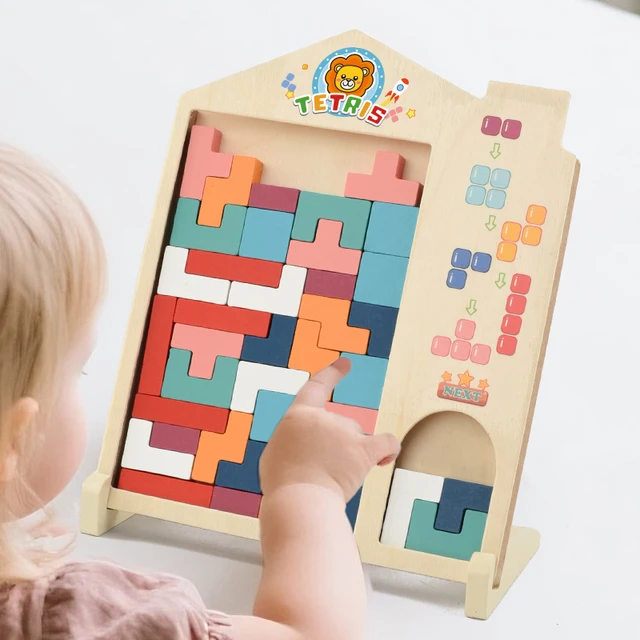
Puzzles boost memory, focus, and critical thinking. They encourage patience and persistence. Puzzles also improve hand-eye coordination and spatial awareness. Choosing between them depends on which skills need more support.
Credit: www.aliexpress.com
Frequently Asked Questions
What Defines A Toy Compared To A Puzzle?
A toy is an object for play and entertainment. A puzzle is a game challenging problem-solving skills. Toys focus on fun, while puzzles promote critical thinking and mental exercise.
Are Puzzles Considered Toys Or Educational Tools?
Puzzles serve as both toys and educational tools. They entertain children while enhancing cognitive skills, memory, and concentration. This dual role makes puzzles valuable for learning and play.
How Do Toys And Puzzles Benefit Child Development Differently?
Toys encourage creativity, imagination, and physical activity. Puzzles improve problem-solving, spatial awareness, and patience. Both support growth, but puzzles focus more on mental development.
Can All Toys Be Puzzles Or Vice Versa?
Not all toys are puzzles, but some toys include puzzles. Puzzles are a specific toy category designed to challenge the mind. Toys can be broad, including dolls, balls, and puzzles.
Conclusion
Toys and puzzles both offer fun and learning. Toys often encourage active play and imagination. Puzzles focus on problem-solving and thinking skills. Each serves a different purpose for children’s growth. Choosing between them depends on what skills you want to develop.
Both can support creativity and learning in unique ways. Enjoying either one can bring joy and challenge. Understanding their differences helps in making better choices. Playtime becomes richer with the right option. Keep exploring both for a balanced experience.