

You want to keep your baby’s toys clean and safe, but what can you use to sanitize them without causing harm? It’s a question every parent or caregiver asks.
Your little one touches toys all day, and germs can quickly build up. Finding the right way to sanitize those toys is not just about cleanliness—it’s about protecting your baby’s health. You’ll discover easy, effective, and safe methods to sanitize your baby’s toys.
Keep reading to learn how to create a cleaner, healthier playtime for your child.
Safe Sanitizing Solutions
Keeping baby’s toys clean is very important for their health. Safe sanitizing solutions kill germs without harming your child. Choosing the right method protects your baby from harmful chemicals and infections. Here are some gentle and effective options to consider.
Natural Ingredients
Natural ingredients are safe and easy to find. Vinegar, lemon juice, and baking soda kill many germs. These items do not leave toxic residues. They work well on plastic and wooden toys.
- Vinegar mixed with water cleans and disinfects.
- Lemon juice adds a fresh scent and fights bacteria.
- Baking soda scrubs away dirt gently.
Use these ingredients diluted in water. Rinse toys well after cleaning. Avoid using pure vinegar on delicate surfaces.
Commercial Sanitizers
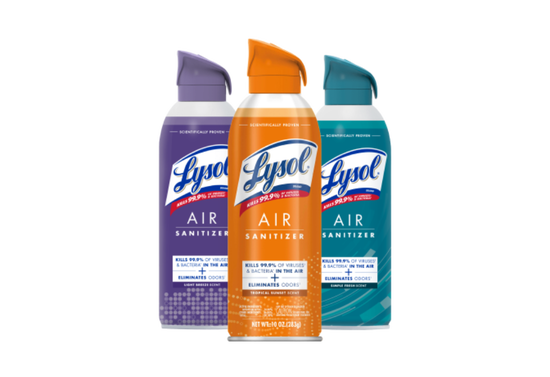
Commercial sanitizers offer convenience and strong germ protection. Choose those labeled safe for baby items. Look for products free of harsh chemicals like bleach or ammonia.
- Disinfectant sprays made for toys and surfaces.
- Sanitizing wipes designed for children’s products.
- Non-toxic, fragrance-free formulas preferred.
Follow product instructions carefully. Test on a small area first. Always rinse toys before giving them back to your baby.
Homemade Mixes
Homemade mixes combine natural and safe ingredients. They provide a budget-friendly way to sanitize. Mixing water with a small amount of mild soap and vinegar works well.
- One cup water, one cup vinegar, a few drops of mild dish soap.
- Shake well and spray on toys.
- Wipe with a clean cloth and rinse.
Store homemade solutions in a sealed bottle. Make fresh batches weekly for best results. Avoid strong chemicals in homemade mixes.
Credit: www.lysol.com
Sanitizing Methods
Keeping baby’s toys clean is very important to prevent germs. Sanitizing removes bacteria and viruses that regular washing might miss. Different methods suit different types of toys and materials. Choose a safe way to protect your child’s health and keep toys looking fresh.
Wiping And Spraying
Wiping toys with a damp cloth and safe sanitizer works well for many surfaces. Use a mild, baby-safe disinfectant spray or a mixture of water and vinegar. Spray lightly, then wipe the toy thoroughly. This method is quick and good for toys with electronic parts or delicate finishes.
Soaking And Rinsing
Soaking toys in warm, soapy water helps remove dirt and germs. Use mild dish soap to avoid harsh chemicals. Let the toys soak for a few minutes, then rinse well with clean water. Air dry completely before giving the toy back to your baby.
Steam Cleaning
Steam cleaning uses hot steam to kill germs without chemicals. It works well on plastic and fabric toys that can handle heat. The steam penetrates small crevices where bacteria hide. This method is safe and eco-friendly, leaving toys fresh and sanitized quickly.
Toy Material Considerations
Sanitizing your baby’s toys isn’t a one-size-fits-all task. The material of each toy plays a big role in how you should clean it safely and effectively. Understanding these differences helps you avoid damage while keeping your little one’s playthings germ-free.
Plastic Toys
Plastic toys are usually the easiest to sanitize. You can wipe them down with a mild soap and warm water solution or use baby-safe disinfectant wipes. Avoid harsh chemicals that might leave residues harmful to your child.
If the toy is dishwasher-safe, placing it on the top rack can save time and ensure thorough cleaning. However, always check the manufacturer’s label first to avoid warping or damage.
Fabric Toys
Fabric toys require gentler care to prevent shrinking or color fading. Most can be cleaned in the washing machine using a gentle cycle and baby-friendly detergent. Placing them inside a mesh laundry bag adds extra protection.
Spot cleaning with a mixture of water and mild soap works well for delicate or stuffed toys you want to avoid washing frequently. Do you notice any musty smells? Let them air dry completely to prevent mold or mildew growth.
Wooden Toys
Wooden toys need careful cleaning to maintain their natural finish and durability. Wiping them with a damp cloth and a little mild soap is usually enough. Avoid soaking these toys to prevent swelling or cracking.
After cleaning, drying quickly with a soft towel helps keep the wood in good shape. You can also apply a small amount of food-grade oil to keep the wood smooth and protected. Have you tried this simple step? It really extends the life of wooden toys.

Credit: www.reddit.com
Sanitizing Frequency Tips
Keeping your baby’s toys clean is important for their health. Sanitizing frequency helps prevent germs from spreading. It also keeps toys safe and fresh for daily play. Follow these tips to know how often to clean and sanitize toys.
Daily Cleaning
Wipe toys with a damp cloth every day. Use mild soap and water for sticky spots. Avoid harsh chemicals that can harm your baby. Focus on toys your baby puts in their mouth. This simple step reduces germs and dirt quickly.
Deep Cleaning Schedule
Sanitize toys more thoroughly once a week. Use baby-safe disinfectants or steam cleaning. Wash soft toys in the washing machine regularly. Dry toys completely before giving them back to your baby. This deep cleaning helps remove hidden bacteria and viruses.
When To Sanitize After Illness
Clean and sanitize toys immediately if your baby is sick. Germs spread easily through shared toys. Use disinfectants safe for babies to kill viruses and bacteria. Wash hands before and after handling toys. This reduces the chance of illness spreading to others.
.png?width=550&height=377&format=png&quality=80)
Credit: www.lysol.com
Frequently Asked Questions
What Household Items Can Safely Sanitize Baby Toys?
You can use mild soap and warm water to clean toys. White vinegar diluted with water is a natural sanitizer. Avoid harsh chemicals to protect your baby’s health.
How Often Should I Sanitize My Baby’s Toys?
Sanitize toys weekly or more often if used frequently. Clean toys after outdoor play or if visibly dirty. Regular sanitizing helps reduce germs and keeps your baby safe.
Can I Use Bleach To Sanitize Baby Toys?
Yes, use a very diluted bleach solution (1 tablespoon bleach per gallon water). Rinse toys thoroughly with water afterward. Avoid strong bleach to prevent harmful residue and odors.
Are Wipes Effective For Sanitizing Baby Toys?
Baby-safe sanitizing wipes can clean toys quickly. Ensure wipes are free from harmful chemicals. Always check product labels for safety before use.
Conclusion
Keeping your baby’s toys clean is crucial for their health. Use safe, simple methods to sanitize them. Mild soap and water work well. Vinegar is a natural option too. Ensure thorough drying to prevent mold. Regular cleaning helps avoid germs.
Prioritize your child’s safety with non-toxic solutions. Check toy labels for cleaning instructions. Maintaining cleanliness becomes easier with routine. Your baby deserves a healthy play environment. Keep it simple, keep it safe. Happy cleaning!