

Have you ever wondered what toys and tools are called in special education? If you’re curious about how these items help children learn and grow, you’re in the right place.
These toys and tools aren’t just fun—they’re carefully designed to support unique learning needs. Understanding their names and purposes can make a big difference in how you support a child’s development. Keep reading to discover the key terms and why they matter for your child or the children you care about.
Types Of Special Education Toys
Special education toys and tools help children learn and grow in unique ways. These items are designed to meet different needs and support various skills. They focus on sensory experiences, communication, and motor skills. Choosing the right type can make learning easier and more enjoyable.
Sensory Toys
Sensory toys stimulate the senses like touch, sight, and sound. They help children explore textures, colors, and shapes. These toys calm anxiety and improve focus. Examples include:
- Fidget spinners and stress balls
- Textured mats and sensory brushes
- Light-up toys and musical instruments
Communication Aids
Communication aids support children who have trouble speaking or understanding words. These tools help express needs and feelings clearly. They include:
- Picture exchange communication systems (PECS)
- Speech-generating devices
- Sign language flashcards
Motor Skill Tools
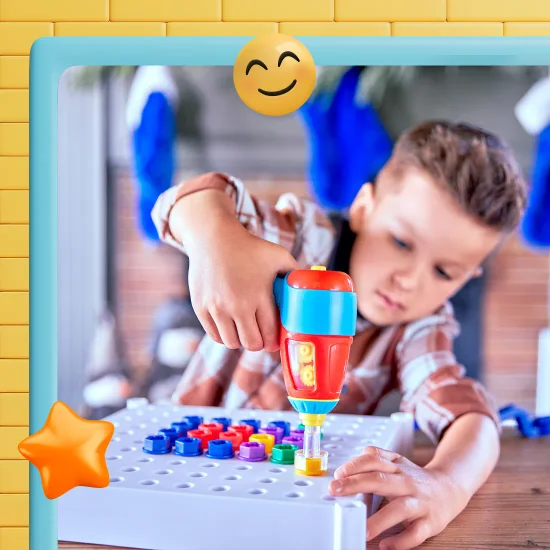
Motor skill tools build hand-eye coordination and muscle strength. They assist in fine and gross motor development. Common tools are:
- Building blocks and puzzles
- Balance boards and therapy balls
- Grip trainers and scissors

Credit: www.sensorytoywarehouse.com
Common Special Education Tools
Special education relies on a variety of tools designed to support learning and development. These tools help break down barriers and make education accessible to every student. Understanding what these tools are can help you better support children who need them.
Assistive Technology Devices
Assistive technology devices are gadgets or software that help students with disabilities perform tasks they might find difficult otherwise. They range from simple tools like picture communication boards to advanced devices like speech-to-text software.
For example, a student with limited hand mobility might use a specialized keyboard or a switch device to interact with a computer. These devices empower students to communicate, learn, and participate more independently.
Have you noticed how technology can change the way someone learns? Assistive devices aren’t just tools; they’re bridges to greater independence.
Adaptive Learning Materials
Adaptive learning materials are specially designed educational resources tailored to a child’s unique learning needs. These include books with large print, tactile learning objects, or puzzles that develop fine motor skills.
Imagine a child struggling to understand shapes and sizes. Using textured blocks or color-coded flashcards can make learning hands-on and more effective. These materials adjust to the learner’s pace and style, making concepts easier to grasp.
What types of materials have you seen make a difference in learning? Sometimes, small changes in teaching tools can have a big impact.
Benefits Of Using Specialized Toys And Tools
Specialized toys and tools in special education are more than just playthings—they are powerful aids that support learning and development. These carefully designed items meet unique needs and help children build essential skills in a fun, engaging way. Understanding their benefits can help you choose the right tools that make a real difference in a child’s growth.
Enhancing Cognitive Skills
Specialized toys challenge your child’s thinking and problem-solving abilities. Puzzles with large pieces or sorting games tailored for different skill levels help improve memory and attention span. Have you noticed how a simple shape sorter can transform a frustrating moment into a rewarding learning experience?
These tools often encourage cause-and-effect understanding and help develop sequencing skills. When children figure out how to fit pieces together or follow steps, they build confidence and critical thinking. You can support this growth by selecting toys that adapt as your child progresses.
Improving Physical Coordination
Many specialized tools focus on fine and gross motor skills. Items like textured balls, weighted utensils, or adaptive scissors help refine hand-eye coordination and muscle control. Think about how using a soft grip pencil can make writing less stressful and more enjoyable.
These toys also promote balance and movement, essential for daily activities. Encouraging your child to play with these tools can increase their independence and ease in physical tasks. What small changes in toys could help your child feel more in control of their movements?
Supporting Emotional Development
Specialized toys provide safe ways for children to express emotions and cope with stress. Sensory tools like fidget spinners or calming mats can reduce anxiety and improve focus. Have you seen how a simple sensory toy can turn a meltdown into a moment of calm?
These tools also encourage social interaction and communication. Playing with others using these toys teaches patience, sharing, and empathy. You can foster emotional growth by choosing toys that invite connection and understanding.

Credit: harkla.co
Choosing The Right Toys And Tools
Choosing the right toys and tools in special education is key to effective learning. These items support skills like communication, motor abilities, and social interaction. Selecting them requires careful thought to match each child’s unique needs. This ensures the tools are both helpful and engaging.
Assessing Individual Needs
Every child has different strengths and challenges. Assessing needs helps find toys and tools that fit well. Consider areas like sensory processing, motor skills, and learning style. Observe the child’s interests and abilities. This guides choices to promote growth and confidence.
Consulting Professionals
Special educators, therapists, and doctors offer valuable advice. They know which tools work best for certain conditions. Discuss goals and challenges with these experts. They can recommend specific products or approaches. Collaboration improves the chances of success.
Safety Considerations
Safety is crucial when choosing toys and tools. Check for small parts that may cause choking. Look for non-toxic materials and sturdy construction. Ensure items are age-appropriate and easy to clean. Safe products protect children and give peace of mind.
Credit: www.schoolspecialty.com
Frequently Asked Questions
What Are Special Education Toys Called?
Special education toys are often called adaptive or therapeutic toys. They help develop skills like motor, sensory, and cognitive abilities. These toys are designed to meet diverse learning needs and promote engagement for children with disabilities or developmental delays.
What Tools Are Used In Special Education?
Tools used in special education include assistive technology devices, sensory tools, and communication aids. These tools support learning, communication, and daily activities for students with disabilities. Examples include speech-generating devices, weighted blankets, and visual schedules.
How Do Special Education Toys Support Learning?
Special education toys support learning by enhancing sensory, motor, and cognitive skills. They provide hands-on experiences and encourage interaction. These toys adapt to individual needs, making learning accessible and enjoyable for children with special needs.
Why Are Adaptive Tools Important In Special Education?
Adaptive tools are crucial because they enable students with disabilities to participate fully in learning. They remove barriers and tailor educational experiences. These tools promote independence, skill development, and confidence in special education settings.
Conclusion
Toys and tools play a vital role in special education. They help children learn and grow in fun ways. Teachers and parents see big benefits from their use. These tools make learning easier and more engaging. They support different learning styles and needs.
Kids can explore new skills at their own pace. Special education becomes more effective with the right tools. Choosing the right toy or tool is important. It can make a huge difference in a child’s learning journey. Always consider the child’s needs and interests.
This ensures the best learning experience.