

Imagine a world where playtime is not just about fun, but also about learning and discovery. This is where STEM educational toys come into play.
These toys are more than just colorful blocks or puzzles; they are tools designed to spark curiosity, encourage problem-solving, and build essential skills in science, technology, engineering, and mathematics. If you’re a parent or educator eager to give the children in your life a head start on their educational journey, you might be wondering: What exactly are STEM educational toys, and why are they so important?
By the end of this article, you’ll not only understand the magic behind these innovative toys but also discover how they can transform the way your child learns and plays. Dive in, and let’s unravel the fascinating world of STEM toys together!
Benefits Of Stem Toys
STEM educational toys offer more than just fun—they provide valuable benefits that help develop essential skills in children. These toys engage young minds in activities that build creativity, problem-solving abilities, and critical thinking. Understanding these benefits can help you choose the right toys that support your child’s growth effectively.
Boosting Creativity
STEM toys encourage you to think outside the box. They often involve building, designing, or experimenting, which sparks imagination and inventiveness.
For example, a simple robotics kit lets you create different machines, pushing your creativity to try new ideas. Have you noticed how children come up with unique solutions when given open-ended STEM toys?
Enhancing Problem-solving Skills
These toys challenge you to find answers and fix issues step-by-step. Whether it’s figuring out how to assemble a puzzle or coding a small robot, you learn to tackle problems logically.
When I first tried a coding toy, I had to debug errors repeatedly. That experience taught me patience and how to break problems into smaller parts. What problems have you solved recently that made you feel proud?
Encouraging Critical Thinking
STEM toys ask you to analyze and evaluate different options before making decisions. They help you weigh pros and cons and anticipate outcomes.
Using a chemistry set, you learn to predict reactions and understand cause and effect. Can you think of a time when thinking critically helped you avoid a mistake or make a better choice?
Credit: www.amazon.com
Types Of Stem Toys
STEM educational toys come in various shapes and forms, each designed to ignite curiosity and develop specific skills. Understanding the different types helps you pick toys that match your child’s interests and learning style. Let’s look at some popular categories that make learning hands-on and fun.
Building And Construction Sets
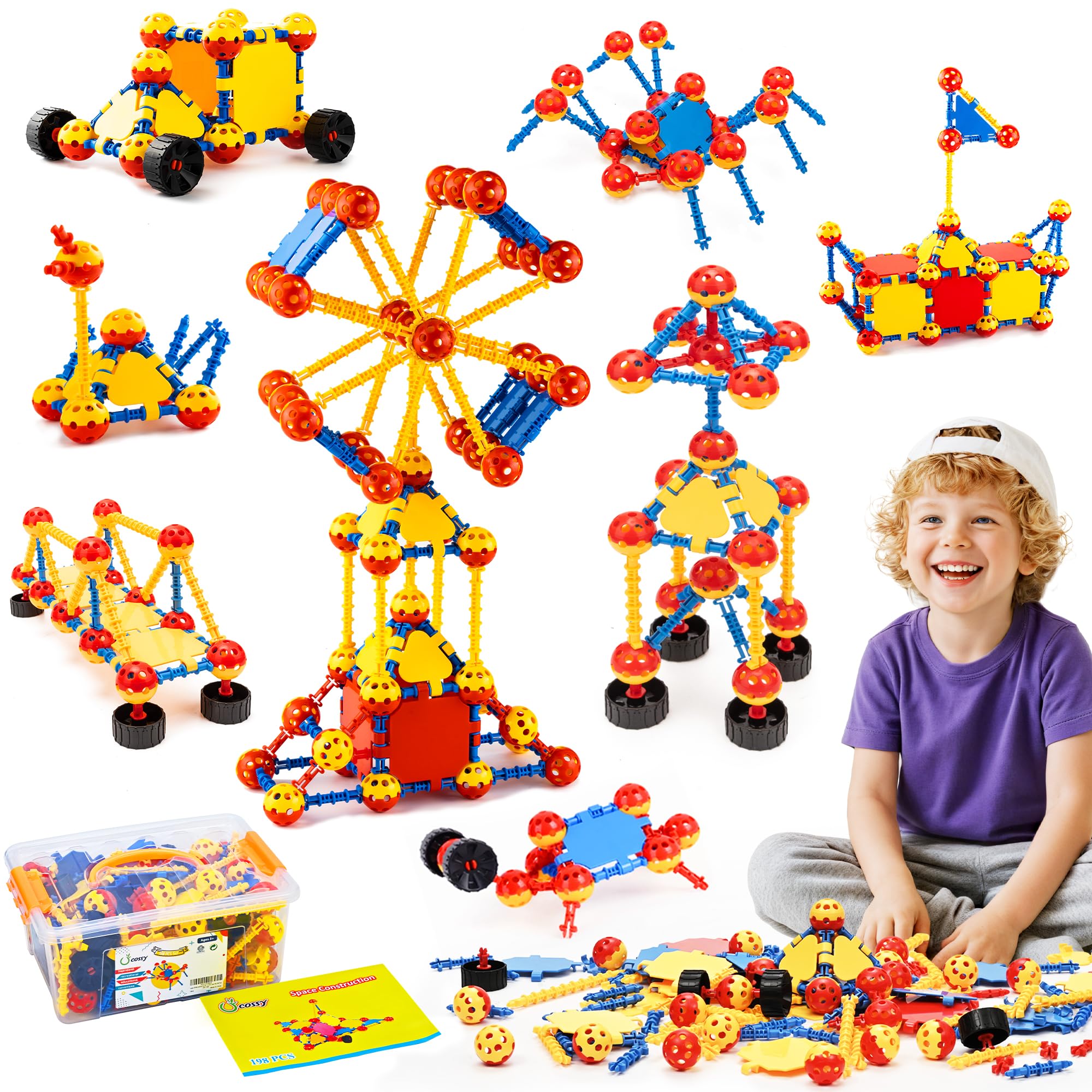
Building sets like LEGO, K’NEX, and Magna-Tiles let kids create structures using blocks, rods, or magnetic pieces. These toys boost spatial reasoning and problem-solving skills as children figure out how to connect parts securely.
When I watched my nephew build a bridge with his set, he kept testing its strength by adding more weight. That simple act of trial and error teaches resilience and critical thinking better than any worksheet.
Do you want your child to develop patience and engineering skills? Construction sets offer endless opportunities to experiment and learn through play.
Robotics Kits
Robotics kits introduce kids to coding and electronics by allowing them to build moving robots or automated machines. Brands like LEGO Mindstorms and Makeblock provide user-friendly kits that combine programming with hands-on assembly.
These kits encourage logical thinking as children write code to control their robot’s actions. It’s fascinating to see kids get excited about debugging their programs, learning persistence in the process.
Could your child’s next favorite hobby be programming a robot? Robotics kits blend creativity and technology in a way that feels like play.
Science Experiment Kits
Science kits offer practical experiments that explain chemistry, physics, or biology concepts. From making slime to growing crystals, these kits make abstract ideas tangible.
My niece once made a homemade volcano that erupted with baking soda and vinegar. That hands-on experience sparked her interest in chemistry far more than reading about reactions ever could.
What if your child could learn scientific principles by doing rather than just observing? Experiment kits turn your home into a mini-lab full of discovery.
Choosing The Right Stem Toy
Choosing the right STEM toy can make a big difference in how your child engages with learning. The perfect toy not only sparks curiosity but also builds confidence and skills step by step. It’s about finding that balance where challenge meets fun, keeping your child excited to explore and learn more.
Age Appropriateness
Every toy is designed with a specific age group in mind, ensuring safety and suitability. Toys for younger kids focus on basic concepts like shapes, colors, and simple building blocks. Older children can handle more complex tasks involving coding, robotics, or engineering.
Giving a toy that’s too advanced can frustrate your child. Too simple, and they might lose interest quickly. Think about the recommended age on the box, but also observe your child’s current abilities and maturity.
Skill Level Considerations
STEM toys range from beginner-friendly kits to advanced projects that require critical thinking and patience. A beginner might enjoy a puzzle that introduces cause and effect, while an experienced child may thrive with a DIY robot kit.
Assess your child’s skill level honestly. Are they just starting out or ready to tackle more detailed instructions? Choosing a toy that matches their skill helps build their confidence and keeps frustration at bay.
Interest Alignment
Does your child enjoy building, experimenting, or solving puzzles? Aligning the toy with their interests makes learning feel like play, not a chore. If they love space, a solar system model could captivate them. If coding excites them, try a programmable robot.
Think about what excites your child daily. What questions do they ask? What activities do they return to? Matching a STEM toy to these interests fuels longer engagement and deeper learning.

Credit: www.amazon.com
Incorporating Stem Toys At Home
Incorporating STEM toys at home creates a hands-on learning experience. These toys help children understand science, technology, engineering, and math through play. They spark curiosity and develop problem-solving skills. Setting up the right environment encourages kids to explore and learn naturally.
Creating A Learning Environment
Designate a special area for STEM toys. Keep it tidy and organized to invite play. Use shelves or bins to store toys neatly. Bright lighting and comfortable seating make the space welcoming. Display educational posters or charts nearby for added inspiration.
Encouraging Exploration
Let children experiment freely with STEM toys. Avoid giving step-by-step instructions all the time. Ask open-ended questions to boost thinking. Praise efforts, not just correct answers. Mixing different types of STEM toys keeps interest high and sparks new ideas.
Balancing Screen Time And Play
Limit screen time to promote active learning with STEM toys. Set clear time limits for electronic devices. Encourage hands-on activities that involve building, creating, or testing. Use STEM toys to complement educational apps or videos. This balance supports deeper understanding and creativity.
Credit: www.amazon.ca
Frequently Asked Questions
What Are Stem Educational Toys?
STEM educational toys are designed to teach science, technology, engineering, and math concepts. They make learning fun through hands-on play. These toys enhance problem-solving skills and creativity in children. They prepare kids for future careers in STEM fields by building critical thinking early.
Why Choose Stem Toys For Children?
STEM toys foster curiosity and encourage exploration. They develop essential skills like logical thinking and teamwork. Kids learn complex subjects in an engaging, interactive way. Choosing STEM toys supports early education and boosts confidence in technical areas. They provide a strong foundation for lifelong learning.
How Do Stem Toys Benefit Child Development?
STEM toys improve cognitive skills like reasoning and analysis. They promote creativity and innovation by encouraging experimentation. Children gain better focus and patience through challenging tasks. These toys also build communication and collaboration skills in group play. Overall, they support holistic brain development.
What Ages Are Stem Toys Suitable For?
STEM toys are available for all age groups, from toddlers to teens. Early childhood toys focus on basic concepts like shapes and colors. Older kids get advanced kits involving robotics and coding. Parents should choose age-appropriate STEM toys to match developmental stages and interests.
Conclusion
STEM educational toys help kids learn science, technology, engineering, and math. They make learning fun and hands-on. These toys build skills like problem-solving and creativity. Kids stay curious and enjoy exploring new ideas. Parents and teachers can use these toys to support learning at home or school.
Choosing the right STEM toys can help children prepare for the future. Simple, playful learning leads to big growth. STEM toys are more than just toys—they are tools for learning. Give children the chance to discover and enjoy STEM today.