

Imagine a world where your child’s toys not only entertain but also educate and inspire creativity. This is the fascinating realm of electronic toys.
Whether you’re a parent looking to enrich your child’s playtime or someone curious about the latest in toy technology, understanding electronic toys can open up a world of possibilities. These aren’t just playthings; they are tools that can help develop skills, ignite imaginations, and keep young minds engaged.
Are you ready to discover how electronic toys can transform playtime into an exciting learning adventure? Let’s dive into the captivating world of electronic toys and explore what makes them a must-have in your child’s toy collection.
Credit: www.toysrus.ca
Types Of Electronic Toys
Electronic toys come in many forms, each designed to entertain and teach in unique ways. These toys use technology to engage children and help develop skills. They often combine fun with learning, making playtime both enjoyable and educational.
Understanding the types of electronic toys helps parents choose the best options for their children’s growth and interest. Below are some popular categories that highlight the variety of electronic toys available today.
Interactive Learning Toys
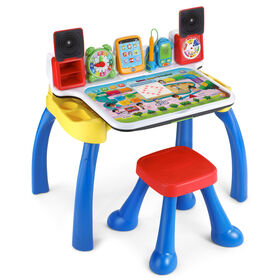
Interactive learning toys help children learn through play. They respond to touch, sound, or movement. These toys teach letters, numbers, shapes, and basic words. Many have buttons to press or screens to touch. They encourage children to explore and practice new skills. These toys improve memory, language, and problem-solving abilities.
Robotic Companions
Robotic companions are toys that move and react like pets or friends. They can walk, talk, and show emotions. These robots often follow commands and interact with children. They provide comfort and companionship while encouraging social skills. Some robots learn from children’s actions and adapt over time. These toys are great for imaginative play and learning responsibility.
Augmented Reality Toys
Augmented reality (AR) toys blend the real world with digital content. They use devices like tablets or smartphones to show virtual images. Children can see animated characters or objects in their environment. AR toys make stories and games more exciting and immersive. They promote creativity and curiosity by combining physical and digital play. These toys also help develop hand-eye coordination and attention.
Credit: www.vtech.co.uk
Benefits For Child Development
Electronic toys offer more than just fun; they play a key role in supporting your child’s development. These toys engage multiple senses and skills, creating learning experiences that are both enjoyable and educational. Understanding how they benefit your child can help you choose toys that truly make a difference.
Enhancing Creativity
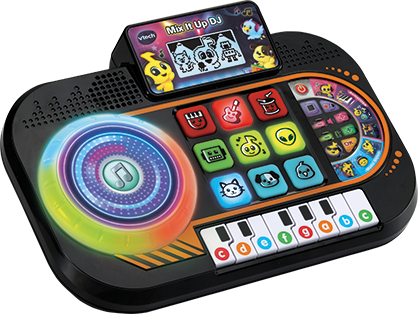
Electronic toys often provide open-ended activities that encourage your child to imagine and create. For example, a toy that lets kids build music or design characters invites them to experiment with ideas. This hands-on play sparks innovative thinking and helps your child express unique thoughts in new ways.
Improving Problem-solving Skills
Many electronic toys challenge children with puzzles or tasks that require logical thinking. When your child figures out how to complete a level or solve a problem, they develop critical reasoning abilities. These moments teach patience and persistence, skills that are useful far beyond playtime.
Boosting Motor Coordination
Using buttons, touchscreens, or controllers helps refine your child’s hand-eye coordination and fine motor skills. Activities like pressing the right sequence or moving parts precisely build control and timing. Over time, these improved motor skills support everyday tasks such as writing and sports.
Safety And Parental Controls
Safety and parental controls play a crucial role in choosing electronic toys. These toys combine fun with technology, which requires extra care. Parents want to ensure their children enjoy without facing risks. Controls help limit access and protect privacy. They also guide children to use toys properly.
Age-appropriate Features
Electronic toys come with features designed for specific ages. These features match children’s skills and understanding. Toys for young kids often have simple buttons and sounds. Older kids may get interactive screens and learning apps. Age-appropriate design helps prevent frustration and accidents. It also supports healthy development through suitable challenges.
Screen Time Management
Many electronic toys include screen time limits. These controls help parents set daily or weekly usage times. Limits prevent children from spending too long on screens. Balanced screen time encourages outdoor play and social interaction. Some toys pause automatically when time runs out. This feature supports healthy habits and reduces eye strain.
Privacy And Data Protection
Electronic toys often collect data to personalize play. Protecting this data is important for children’s safety. Good toys use encryption to keep information secure. Parents should check privacy policies before buying. Toys with parental controls allow monitoring and control over data sharing. This reduces risks of unauthorized access and protects family privacy.

Credit: www.amazon.ca
Future Trends In Electronic Toys
The world of electronic toys is evolving fast. New trends are shaping how kids play and learn. These changes make toys smarter, safer, and more fun.
Future electronic toys will offer unique experiences. They will adapt to each child’s needs and interests. Let’s explore some key trends leading this change.
Ai Integration
Artificial intelligence is making toys smarter. Toys will understand kids’ actions and respond in real-time. They will learn from play patterns and offer new challenges. This creates a more interactive and engaging experience.
AI-powered toys can also help with learning skills. They adapt lessons based on a child’s progress. This makes play both fun and educational.
Sustainable Materials
Eco-friendly toys are gaining popularity. Many manufacturers use recycled plastics and natural fibers. These materials reduce waste and pollution. Parents prefer toys that are safe for kids and the planet.
Durability is also important. Sustainable toys last longer and can be passed down. This reduces the need for frequent replacements.
Personalized Play Experiences
Toys will offer more personalized options. Custom settings allow children to choose how they play. Toys can change difficulty levels based on skill.
Personalized toys help kids feel more connected. They encourage creativity and imagination. Each child gets a unique play experience tailored just for them.
Frequently Asked Questions
What Are Electronic Toys Made Of?
Electronic toys combine plastic, metal, and circuit boards. They use batteries to power lights, sounds, and movements. These components work together to create interactive play experiences for children.
How Do Electronic Toys Benefit Children?
Electronic toys enhance learning by developing skills like problem-solving and hand-eye coordination. They engage kids with sounds and visuals, making education fun and interactive. This boosts creativity and cognitive growth.
Are Electronic Toys Safe For Toddlers?
Most electronic toys are designed with safety features for toddlers. They use non-toxic materials and have no small parts to prevent choking. Always check age recommendations before purchasing to ensure safety.
Why Are Electronic Toys Popular Among Kids?
Electronic toys attract kids with interactive features like lights and sounds. They provide engaging, hands-on learning experiences. Their ability to respond and adapt keeps children entertained longer.
Conclusion
Electronic toys make playtime more fun and interactive. They help children learn while having fun. Many types exist, from simple sound toys to complex robots. Parents find them useful for developing skills. Kids enjoy exploring new features and sounds. Choosing the right toy depends on the child’s age and interests.
Electronic toys bring a new way to play and grow. They combine technology with imagination in exciting ways. A smart choice for modern playtime.