

Have you ever wondered how the toys your child plays with can shape their learning and growth? Educational toys are more than just fun—they are powerful tools that help develop skills, spark creativity, and build confidence.
If you want to give your child a head start in learning while keeping playtime exciting, understanding what educational toys are is the first step. Keep reading to discover how these toys can transform your child’s development and why they deserve a special place in your home.
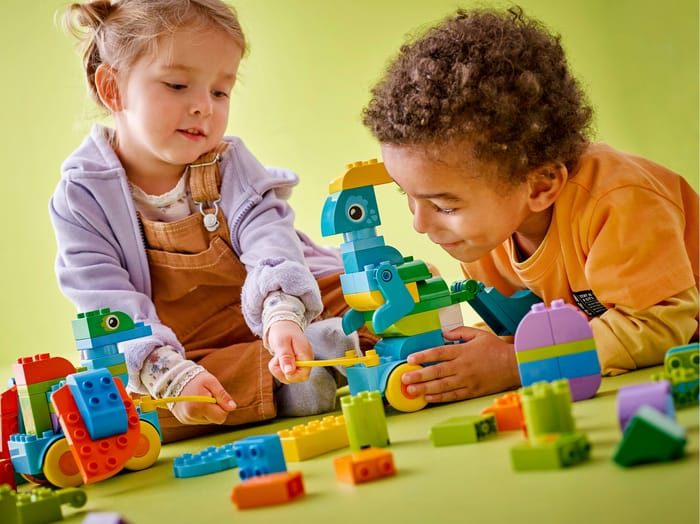
Credit: www.lego.com
Benefits Of Educational Toys
Educational toys play a vital role in a child’s growth. They offer more than just fun. These toys help children learn skills that last a lifetime. The benefits reach many areas of development. Here are some key ways educational toys support young minds.
Cognitive Skill Development
Educational toys boost thinking and problem-solving skills. They encourage kids to explore and ask questions. Toys like puzzles and building blocks improve memory and focus. These activities strengthen a child’s ability to understand new ideas. Learning happens through play, making it natural and fun.
Enhancing Creativity
Creative toys inspire imagination and original thinking. Art supplies, musical instruments, and role-play sets spark new ideas. Kids learn to express themselves in different ways. This builds confidence and helps children see things differently. Creativity grows when children feel free to explore.
Improving Social Skills
Many educational toys promote sharing and teamwork. Group activities teach children how to communicate well. They learn patience, cooperation, and empathy. Playing with others helps kids build strong friendships. Social skills gained through play prepare children for life.
Types Of Educational Toys
Educational toys come in many forms, each designed to help children learn in different ways. They encourage skills like problem-solving, creativity, and communication. Understanding the types of educational toys can help parents choose the right tools for a child’s growth.
Stem Toys
STEM toys focus on science, technology, engineering, and math. They help children explore concepts through hands-on activities. Kids build, experiment, and discover how things work.
- Building blocks and kits
- Robotics sets
- Simple machines and circuits
These toys promote critical thinking and logical skills.
Art And Craft Kits
Art and craft kits inspire creativity and fine motor skills. Children use colors, shapes, and textures to make projects. These kits often include paints, clay, beads, and paper.
- Painting sets
- Modeling clay kits
- Jewelry making supplies
Such toys boost imagination and self-expression.
Language And Literacy Tools
Language toys help with reading, writing, and speaking. They teach letters, words, and sounds in fun ways. These tools support vocabulary and communication skills.
- Alphabet puzzles
- Storytelling games
- Interactive books
These toys build confidence in language use.
Choosing The Right Educational Toys
Choosing the right educational toys can make a big difference in your child’s learning and enjoyment. The perfect toy should challenge their mind without causing frustration. It’s about finding that balance where education meets fun, so your child stays curious and engaged.
Age Appropriateness
Every child develops at their own pace, but toys designed for specific age groups help target the right skills. A toy meant for toddlers won’t suit a 7-year-old and vice versa. Check the recommended age on the packaging and think about your child’s current abilities.
For example, puzzles with large pieces work well for younger kids, while complex building sets can challenge older children. Buying toys that are too advanced might discourage your child, while too simple toys might bore them quickly. What new skills do you want your child to build right now?
Safety Considerations
Safety should never be an afterthought. Look for toys made from non-toxic materials and avoid small parts if your child is still putting things in their mouth. Sharp edges and loose components can also pose risks.
Always inspect toys regularly for wear and tear. Sometimes, a toy that was safe when new becomes hazardous after a few months of use. How often do you check your child’s toys for safety?
Aligning With Interests
Choosing educational toys that match your child’s interests makes learning natural and exciting. If your child loves animals, consider toys that teach about wildlife or habitats. If they enjoy building, construction kits can develop spatial skills and creativity.
Think about what sparks your child’s enthusiasm and find toys that enhance that passion. This approach keeps learning relevant and personal. What hobbies or topics does your child light up talking about?

Credit: www.amazon.ca
Incorporating Play Into Learning
Incorporating play into learning helps children grasp new ideas easily. Play creates a natural space for learning. It makes education enjoyable and memorable. Children stay curious and motivated through playful activities. Learning feels less like work and more like fun.
Creating Engaging Playtime
Engaging playtime captures children’s attention and keeps them involved. Toys with bright colors and interesting shapes draw interest. Activities that challenge thinking encourage kids to try again. Playtime should invite creativity and imagination. Changing up toys and games stops boredom and keeps learning fresh.
Balancing Fun And Education
Toys that teach and entertain at the same time work best. Mixing learning goals with play helps children absorb knowledge better. Avoid toys that feel like chores or drills. Let children explore ideas at their own pace. Fun moments build positive feelings about learning.
Encouraging Exploration
Exploration sparks discovery and problem-solving skills. Toys that allow building, sorting, and experimenting inspire questions. Children learn by testing what works and what does not. Open-ended toys promote creative thinking and new ideas. Exploration helps children connect learning to real life.

Credit: www.amazon.ca
Frequently Asked Questions
What Are Educational Toys And Their Main Benefits?
Educational toys are designed to promote learning and skill development. They enhance cognitive, motor, and social skills while making learning fun and engaging for children of all ages.
How Do Educational Toys Improve Child Development?
These toys stimulate creativity, problem-solving, and critical thinking. They help children develop fine motor skills, language, and emotional intelligence through interactive play.
Which Age Groups Benefit Most From Educational Toys?
Educational toys are beneficial for all ages, from infants to teenagers. Each toy is tailored to suit developmental stages and learning needs specific to the child’s age.
Are Educational Toys Better Than Regular Toys?
Yes, educational toys offer added learning value beyond entertainment. They support developmental milestones and encourage active, purposeful play, unlike standard toys that focus mainly on amusement.
Conclusion
Educational toys play a vital role in child development. They make learning fun and interactive. Kids grasp concepts faster through play. These toys improve critical thinking and problem-solving skills. They also boost creativity and imagination. Parents can choose toys based on their child’s interests.
It’s important to select age-appropriate options. This ensures safety and maximizes learning benefits. Educational toys can turn playtime into a valuable learning experience. They offer a great way to bond with children too. Investing in these toys is investing in your child’s future.
Make learning enjoyable and engaging with the right educational toys.