
Are you wondering about the right age for introducing your child to electronic toy cars? You’re not alone.
As parents, you want to provide your little ones with toys that are not only fun but also safe and beneficial for their development. The world of electronic toy cars is vast and exciting, yet it can also be a bit confusing.
How do you know when your child is ready to zoom around with these high-tech toys? We’ll explore the perfect age to introduce electronic toy cars to your child, ensuring they get the most enjoyment and educational value. Stick around to discover how these toys can become a thrilling part of your child’s playtime while nurturing essential skills.

Credit: www.vevor.ca
Age Recommendations For Electronic Toy Cars
Electronic toy cars come in many styles for different ages. Choosing the right age range helps keep play safe and fun. Age recommendations guide parents to pick suitable models. These suggestions consider size, speed, and complexity of the toy cars.
Toddlers And Preschoolers
For toddlers, look for small, slow cars with easy controls. Toys with simple buttons or push mechanisms work best. Cars with large wheels and no sharp edges keep play safe. Most models suit children aged 1 to 3 years. These toys help develop motor skills and hand-eye coordination.
Early Elementary Age
Children aged 4 to 7 enjoy cars with remote controls or basic driving features. Toys at this level often have moderate speed and more detailed designs. They help improve problem-solving and spatial awareness. Look for sturdy builds and easy-to-use remotes. Safety features like automatic stop are important.
Older Children
Kids aged 8 and above can handle faster, more complex electronic cars. These models may include rechargeable batteries and advanced controls. They allow for longer playtime and more realistic driving experiences. Older children enjoy customizing and upgrading their cars. Supervision is still advised for very fast models.

Credit: elegantelectronix.com
Safety Features To Look For
Safety is the top priority when choosing electronic toy cars for children. Parents must know which features protect their kids during play. These safety features reduce risks and ensure fun stays safe.
Electronic toy cars come with various safety measures. Understanding these helps pick the right car for a child’s age and skill level. Here are key safety features to consider.
Speed Limits And Controls
Speed limits keep the car at a safe pace for young drivers. Many models offer adjustable speeds. This allows parents to set a slower speed for beginners. Remote controls add another layer of safety. They let adults stop or steer the car if needed. Look for cars with easy-to-use speed and control settings.
Battery Safety
Batteries power electronic toy cars but require careful handling. Choose cars with built-in protection against overcharging. Look for sealed battery compartments to prevent access by children. Avoid models with exposed wires or fragile battery covers. Safe batteries reduce risks of leaks, overheating, or shocks.
Build Quality And Materials
Strong construction helps protect kids during play. Durable plastic or metal bodies resist impacts and rough use. Rounded edges prevent cuts or scrapes. Check that parts fit tightly and do not come loose easily. Non-toxic materials are essential for children’s health. A well-built car offers both safety and long-lasting fun.
Choosing The Right Model By Age
Choosing the right electronic toy car for your child involves more than just picking a cool design. Age plays a crucial role in ensuring the toy is safe, fun, and beneficial for your little one. Understanding what features suit different age groups can make your choice easier and more effective.
Size And Weight Considerations
Young children need smaller, lighter cars that they can easily control. A bulky or heavy model might frustrate a toddler who’s just learning to steer. For kids under 3, look for cars designed specifically with lightweight materials and simple controls to keep their play safe and enjoyable.
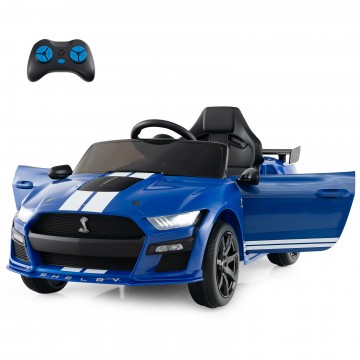
As children grow, they can handle bigger, more powerful cars. Kids aged 4 to 7 often enjoy models that support higher speeds and more complex steering. Think about where your child will use the car too—indoor or outdoor spaces affect the ideal size and weight.
Design And Themes
Kids are drawn to designs that match their interests, which changes with age. Younger children might prefer cars featuring bright colors and popular cartoon characters. These designs hold their attention and encourage imaginative play.
Older kids often want realistic models resembling actual cars or themed versions like race cars or off-road vehicles. Matching your child’s interests can make the toy more engaging and increase the time they spend playing actively.
Skill Development Benefits
Electronic toy cars aren’t just fun; they help develop important skills. For toddlers, these toys boost hand-eye coordination and basic motor skills by encouraging simple steering and control. Watching your child’s confidence grow as they master these basics can be incredibly rewarding.
For older children, electronic cars can enhance problem-solving and spatial awareness. Models with adjustable speed or remote controls challenge kids to think strategically and improve their focus. How does your child react to new challenges? Choosing a model that matches their current skills can keep them motivated and learning.
Credit: www.costway.ca
Maintenance And Usage Tips
Maintaining electronic toy cars properly can extend their life and keep the fun going longer. Knowing how to care for the battery, store the vehicle, and encourage safe play helps you get the most out of your child’s investment. Let’s look at some practical tips that make maintenance simple and effective.
Charging Best Practices
Always use the charger that comes with the toy car. Using a different charger might damage the battery or cause safety issues.
Charge the battery fully before the first use. This ensures the battery performs at its best right from the start.
Avoid overcharging by unplugging the charger once the battery is full. Many parents have learned the hard way that leaving the car plugged in overnight can reduce battery life.
Storage And Care
Keep the toy car in a dry, cool place when not in use. Excess heat or moisture can damage electrical parts and the battery.
Clean the car regularly with a soft cloth to remove dirt and dust. This helps prevent wear on moving parts and keeps the car looking great.
If the car won’t be used for a while, remove the battery or disconnect it to avoid slow discharge and potential damage.
Encouraging Safe Play
Set clear rules about where the toy car can be driven. Smooth, flat surfaces reduce the risk of accidents and damage.
Teach your child to avoid water puddles and steep slopes. These can harm the car’s electronics and cause injuries.
Supervising playtime ensures the toy is used safely and encourages your child to respect the car’s limits. Have you noticed how a little guidance can make playtime more enjoyable for everyone?
Frequently Asked Questions
What Is The Ideal Age For Electronic Toy Cars?
Electronic toy cars are best suited for children aged 3 to 8 years. They offer safe, fun, and manageable play experiences for this age range. Always check manufacturer recommendations for specific age guidelines.
Can Toddlers Safely Use Electronic Toy Cars?
Yes, toddlers aged 3 and above can safely use electronic toy cars designed for their age. These models have safety features like speed limits and sturdy designs to ensure safe play.
Are Electronic Toy Cars Suitable For Older Kids?
Electronic toy cars are generally designed for younger children but some advanced models suit kids up to 12 years. Features like higher speed and remote controls appeal to older children.
How To Choose The Right Age Electronic Toy Car?
Choose based on the child’s age, size, and skill level. Check for safety features, speed limits, and ease of use. Manufacturer age recommendations help select the proper model.
Conclusion
Electronic toy cars suit many ages, from toddlers to young kids. Safety and size matter most when choosing the right model. Younger children need slower, simpler cars with strong safety features. Older kids can handle faster, more detailed models. Parents should check the recommended age on each toy.
This helps ensure fun and safe playtime for every child. Remember, the right electronic car can bring hours of joy. Simple choices lead to happy, active play for your little ones.