

Are you ready to dive into the intriguing world of puzzles? These captivating creations have been entertaining minds for centuries, challenging us to think outside the box.
But have you ever wondered: is a puzzle just a toy with multiple parts, or is there more to it? As you piece together each section, you’re not only solving a puzzle but also unlocking a world of creativity and problem-solving skills.
We’ll explore the fascinating aspects of puzzles that go beyond being mere toys. Discover how they can sharpen your mind, boost your mood, and even bring people together. Keep reading to uncover the hidden benefits of puzzles that might just surprise you!
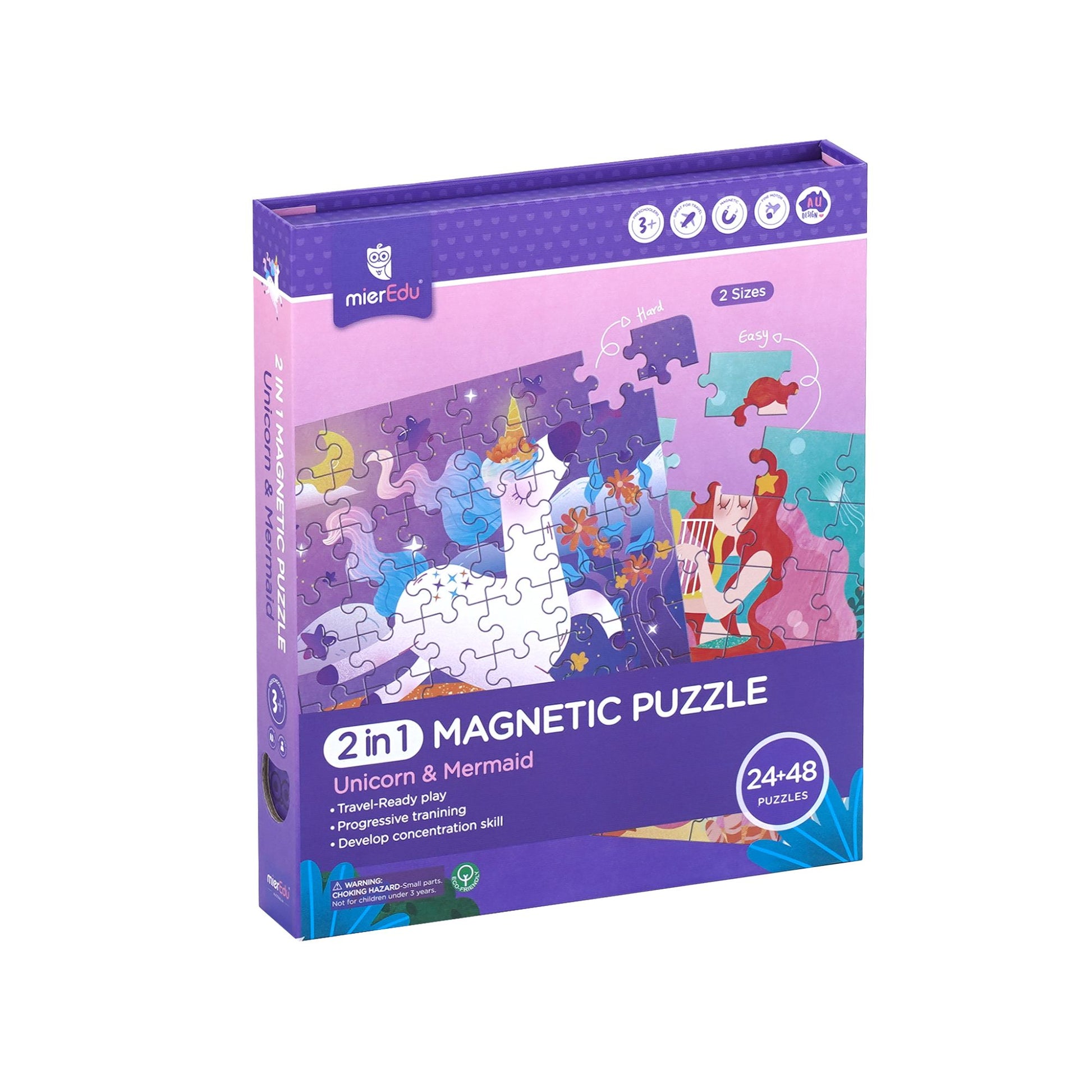
Credit: www.toyworld.co.nz
What Makes A Puzzle A Toy
What makes a puzzle a toy goes beyond just being a collection of pieces. A puzzle challenges your mind while providing entertainment. It combines physical parts with mental engagement, turning simple pieces into a playful experience.
Components Of Puzzles
At the core, a puzzle consists of multiple parts that fit together in a specific way. These parts can be made from wood, cardboard, plastic, or even metal. Each piece has a unique shape or image that connects to others, requiring you to think carefully about placement.
Some puzzles include:
- Interlocking pieces with tabs and slots
- Flat pieces with images forming a complete picture
- 3D parts that build structures or models
These components demand attention and patience, turning the puzzle into a hands-on activity. Have you ever noticed how fitting the last piece into place gives a sense of accomplishment? That feeling is why puzzles are more than just toys—they are tools for problem-solving.
Types Of Puzzle Toys
Puzzles come in many forms, each offering different types of challenges. Some focus on images, others on shapes or logic, and some combine all these elements.
- Jigsaw Puzzles:Classic flat puzzles that form pictures once completed.
- Mechanical Puzzles:Objects like Rubik’s Cubes or twisty puzzles that require manipulation to solve.
- Logic Puzzles:Brain teasers where you use clues to find solutions, often without physical pieces.
- 3D Puzzles:Build models such as buildings, animals, or vehicles from multiple parts.
Each type offers a unique way to engage your brain and hands. What kind of puzzle toy captures your interest the most? Understanding these types can help you choose puzzles that keep your mind sharp and your playtime fun.
Credit: ca.style.yahoo.com
Benefits Of Playing With Puzzles
Puzzles are more than just toys with many pieces. They offer many benefits for players of all ages. Playing with puzzles can improve the mind and build important skills. These benefits support learning and brain health in fun ways.
Cognitive Skills Development
Puzzles help the brain work better. They improve memory by making players remember shapes and colors. Puzzles also boost concentration and attention to detail. The brain practices recognizing patterns and organizing pieces. This mental exercise strengthens thinking and reasoning skills. It helps players become more focused and clear-minded.
Enhancing Problem-solving Abilities
Completing puzzles is like solving a challenge. Players learn to plan and test different ideas. They try new ways to fit pieces together. This builds patience and persistence. Puzzles teach how to break big problems into smaller steps. These skills transfer to real-life situations. Problem-solving becomes easier with regular puzzle play.
How Puzzles Encourage Learning
Puzzles are more than just fun challenges; they play a significant role in boosting your learning skills. When you work on a puzzle, your brain actively engages in problem-solving, pattern recognition, and critical thinking. These activities lay a strong foundation for acquiring new knowledge and sharpening your mental abilities.
Educational Themes In Puzzles
Puzzles often come with themes that teach you about the world. You might find puzzles featuring maps, animals, historical events, or famous artworks. This variety helps you learn new facts while you piece together the puzzle.
For example, a puzzle with the solar system can help you remember the names and order of planets. A language puzzle can improve your vocabulary and spelling skills. These themes make learning a natural part of play, turning fun into an educational experience.
Interactive Learning Through Play
Playing with puzzles encourages hands-on learning. You don’t just passively receive information; you interact with it. This active involvement makes the knowledge stick better in your mind.
Try assembling a puzzle with a friend or family member. Discussing the pieces and strategies can enhance communication and teamwork. Have you noticed how solving puzzles together often leads to shared aha moments? That’s the power of interactive learning.
When you focus on the shapes, colors, and how pieces fit together, you improve your spatial awareness and fine motor skills. These are practical abilities that support everyday tasks, from reading maps to organizing your workspace.
Choosing The Right Puzzle
Choosing the right puzzle can make all the difference in how much fun and challenge you get from it. Puzzles come in many shapes, sizes, and difficulty levels, so picking one that suits your needs and interests is important. Whether you’re shopping for a child or yourself, thinking about the puzzle’s fit for the user will help you enjoy the experience more.
Age-appropriate Options
Consider the age of the person who will use the puzzle. Younger children need puzzles with larger, easy-to-handle pieces that help develop their motor skills and basic problem-solving abilities. For example, a toddler might enjoy simple wooden puzzles with chunky pieces, while older kids might prefer puzzles with more pieces and detailed images.
Adults often enjoy puzzles with hundreds or even thousands of pieces, which require patience and attention to detail. But don’t overlook puzzles designed for seniors that focus on cognitive stimulation without being too frustrating. Have you checked the recommended age on the puzzle box before buying? It’s a quick way to avoid disappointment.
Material And Complexity Considerations
The material of the puzzle impacts durability and user experience. Wooden puzzles are sturdy and great for younger kids, while cardboard puzzles are lightweight and offer a wide variety of designs. Plastic puzzles with interlocking pieces add a tactile dimension, which some people find satisfying.
Complexity isn’t just about the number of pieces. Look at the image on the puzzle and the shape of the pieces too. Puzzles with repetitive patterns or similar colors can be much harder than those with clear, distinct images. Ask yourself: do you want a relaxing activity, or a real challenge that will push your patience and focus?

Credit: www.thebump.com
Frequently Asked Questions
What Defines A Puzzle As A Toy With Multiple Parts?
A puzzle is a toy made of many pieces that fit together. These parts challenge the mind by requiring problem-solving skills. The pieces usually form a complete picture or shape when assembled. This multi-part nature distinguishes puzzles from single-piece toys.
Are All Puzzles Considered Toys With Multiple Parts?
Most puzzles consist of multiple interlocking pieces, making them toys with parts. However, some puzzles, like brain teasers, may not have physical pieces but still offer problem-solving fun. Generally, puzzles involve assembling several components, classifying them as toys with multiple parts.
How Do Puzzles Benefit Children’s Cognitive Development?
Puzzles improve problem-solving, memory, and spatial skills in children. Handling multiple parts enhances fine motor skills and hand-eye coordination. They encourage patience and concentration, making puzzles valuable educational toys.
Can Puzzles Be Suitable For All Age Groups?
Yes, puzzles come in varying difficulty levels for all ages. Simple puzzles with fewer parts suit toddlers, while complex ones challenge adults. This versatility makes puzzles a popular toy across generations.
Conclusion
Puzzles often have many parts that fit together. They challenge the mind and improve focus. Puzzles can be fun and educational at the same time. Many people enjoy puzzles as a hobby or pastime. These toys promote problem-solving and patience.
So yes, a puzzle is a toy with multiple parts. It offers both play and learning in one. Try one to see how it feels. You might find it relaxing and rewarding. Puzzles remain a popular choice for all ages.