
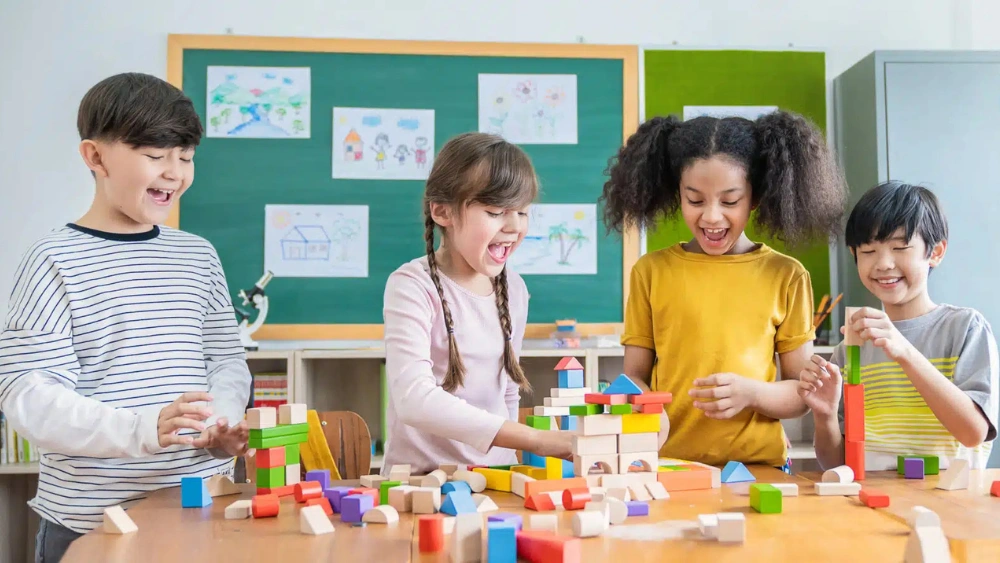
Imagine a world where your child can learn math while stacking colorful blocks, or discover the basics of engineering while assembling a toy car. Toys are not just about fun and games; they are powerful tools that can shape your child’s mind.
If you’ve ever wondered how toys can do more than just entertain, you’re in the right place. This article will open your eyes to the surprising ways in which toys can educate your kids, blending playtime with learning seamlessly. You’ll discover how the right toys can spark creativity, boost cognitive skills, and even improve social interactions.
So, if you want to turn playtime into an educational adventure for your child, keep reading. You’ll be amazed at what you find out!

Credit: smallbiztrends.com
Role Of Toys In Skill Development
Toys play a crucial role in shaping your child’s abilities and skills. They do more than just entertain; they challenge the mind, improve physical coordination, and encourage social connections. Understanding how toys contribute to different skill areas can help you choose the best ones to support your child’s growth.
Cognitive Growth
Toys like puzzles, building blocks, and memory games stimulate your child’s thinking and problem-solving skills. These activities require focus and planning, helping the brain develop stronger connections.
Have you noticed how a child’s eyes light up when they finally fit the last piece of a puzzle? That moment shows real cognitive progress. Offering toys that encourage exploration can boost your child’s curiosity and ability to learn new concepts.
Motor Skills Enhancement
Physical toys such as balls, ride-on cars, and shape sorters improve hand-eye coordination and muscle control. These toys challenge your child to use their hands and fingers in precise ways.
Watching a toddler grasp and stack blocks demonstrates how motor skills develop through play. Providing toys that match your child’s current abilities ensures steady progress in their physical coordination.
Social Interaction
Toys that encourage sharing and cooperation, like board games or role-playing sets, help your child learn important social skills. Playing with others teaches communication, patience, and empathy.
Have you observed how children negotiate rules during a game? These moments are vital for building relationships and understanding social norms. Choosing toys that invite group play can strengthen your child’s ability to connect with others.

Credit: www.amazon.ca
Types Of Educational Toys
Educational toys help children learn important skills while having fun. These toys develop thinking, creativity, and problem-solving abilities. Different types of toys focus on various learning areas. Choosing the right toy can support a child’s growth in many ways.
Building Blocks And Puzzles
Building blocks and puzzles enhance spatial awareness and fine motor skills. Kids learn to recognize shapes, sizes, and patterns. These toys encourage patience and concentration. Children improve hand-eye coordination as they stack blocks or fit puzzle pieces together. Group play with blocks also boosts social skills.
Stem Toys
STEM toys introduce science, technology, engineering, and math concepts early. They inspire curiosity and logical thinking. Toys like coding kits, robots, and simple machines make learning interactive. Kids experiment and discover how things work. STEM toys prepare children for future challenges in a fun way.
Creative Art Supplies
Creative art supplies nurture imagination and self-expression. Drawing, painting, and crafting build fine motor skills and color recognition. Art helps children communicate feelings and ideas. These supplies encourage open-ended play, allowing kids to explore without limits. Creativity grows alongside confidence and focus.
Play-based Learning Benefits
Play-based learning helps children grow in many ways. It uses toys and fun activities to teach skills naturally. Kids learn while they enjoy themselves. This method makes learning easy and effective.
Through play, children develop abilities that last a lifetime. They explore ideas, try new things, and understand the world better. This type of learning supports different areas of growth.
Problem Solving
Toys encourage kids to think and find answers. Puzzles, building blocks, and games challenge them to solve problems. They learn to plan steps and test ideas.
Problem solving through play boosts creativity and confidence. Children practice patience and learn from mistakes. These skills help in school and daily life.
Language Acquisition
Playing with others helps kids learn new words and sentences. Toys like storybooks and role-play sets improve speaking skills. Children listen, repeat, and express thoughts clearly.
Language grows faster in a playful setting. Kids enjoy talking and sharing stories. This builds strong communication skills early on.
Emotional Expression
Toys give children a way to show feelings safely. Dolls, action figures, and art supplies help express joy, fear, or sadness. Play allows kids to understand their emotions better.
Expressing emotions through play supports mental health. It teaches children to handle feelings and build empathy. This helps them relate well with others.

Credit: www.amazon.ca
Choosing Toys For Effective Learning
Choosing the right toys for effective learning is more than just picking something colorful or popular. It requires attention to what truly benefits your child’s development and keeps them engaged. When you select toys thoughtfully, you set the stage for meaningful play that boosts skills and curiosity.
Age Appropriateness
Toys should match your child’s age to support their growth properly. Younger kids need simple toys that help develop motor skills, like stacking blocks or soft balls. Older children benefit from more complex toys that challenge their thinking, such as puzzles or science kits.
Giving a toddler a complicated toy might frustrate them, while a baby won’t get much from a detailed model set. What type of toy has your child enjoyed the most so far, and why do you think it clicked with their current abilities?
Safety Considerations
Safety is crucial when choosing toys. Avoid toys with small parts if your child is still putting things in their mouth. Check labels for non-toxic materials and sturdy construction to prevent accidents.
Think about the environment where your child will play. If outdoors, toys should be weather-resistant and easy to clean. Have you checked if the toy meets safety standards before buying it?
Encouraging Curiosity
Look for toys that invite exploration and problem-solving. Building sets, art supplies, and interactive books can inspire kids to ask questions and learn by doing. Toys that change or grow with your child keep their interest alive longer.
Ask yourself if the toy encourages your child to create their own stories or figure out new ideas. How often do you see your child inventing games or experiments with their toys?
Frequently Asked Questions
How Do Toys Improve Kids’ Cognitive Skills?
Toys stimulate children’s thinking and problem-solving abilities. They encourage creativity, memory, and logical reasoning. Educational toys help kids learn concepts like numbers and shapes while having fun.
Can Toys Enhance Social Development In Children?
Yes, toys promote social skills by encouraging sharing, cooperation, and communication. Group play with toys teaches children how to interact and build friendships effectively.
What Types Of Toys Support Language Learning?
Toys like puzzles, books, and storytelling kits boost vocabulary and comprehension. Interactive toys encourage children to express themselves and improve their speaking skills.
How Do Toys Aid Emotional Growth In Kids?
Playing with toys helps children understand and express emotions. Role-playing toys nurture empathy, patience, and self-regulation by simulating real-life scenarios.
Conclusion
Toys help children learn in many important ways. They build skills like thinking, talking, and moving. Playing with toys also boosts creativity and social skills. Kids explore new ideas and solve problems while having fun. Choosing the right toys can support growth at every age.
Parents and teachers can guide play to make learning strong. Toys are more than just fun—they are tools for learning. Helping kids play smart prepares them for a brighter future. Learning through play truly shapes young minds every day.