

Have you ever wondered how the simple act of playing with toys can shape your child’s learning? Toys are not just for fun—they are powerful tools that help kids develop important skills.
When your child plays, they are actually building creativity, problem-solving abilities, and even social skills without realizing it. You will discover how toys educate kids in ways you might not expect. Keep reading to learn how choosing the right toys can make a big difference in your child’s growth and future success.
Credit: www.planetspark.in
Role Of Toys In Skill Development
Toys play a powerful role in shaping your child’s abilities and growth. They are more than just fun objects; they act as tools that help build essential skills. Understanding how toys contribute to different areas of development can guide you in choosing the best ones for your child’s learning journey.
Cognitive Growth
Toys stimulate your child’s brain by encouraging problem-solving and critical thinking. Puzzles, building blocks, and memory games challenge kids to think ahead and plan their moves. Have you noticed how children focus deeply when trying to fit pieces together? This concentration sharpens their cognitive skills naturally.
Simple toys like shape sorters help children recognize patterns and categorize objects. These experiences boost their ability to understand and organize information, which is crucial for learning in school and everyday life.
Motor Skills Enhancement
Handling toys helps your child develop fine and gross motor skills. Activities like stacking blocks or threading beads improve hand-eye coordination and finger dexterity. You might see your little one struggling at first, but with practice, their movements become smoother and more precise.
Outdoor toys such as balls and tricycles promote large muscle movements, enhancing balance and strength. These physical skills are essential not just for play but for daily tasks like writing and dressing independently.
Emotional Intelligence
Playing with toys often involves role-playing and storytelling, which nurture emotional understanding. When children use dolls or action figures to act out scenarios, they explore feelings like empathy and compassion. Have you ever watched a child comfort a toy during play? That moment reflects real emotional growth.
Toys also teach patience and frustration management. Figuring out how a toy works or waiting for a turn builds self-control and resilience. These lessons are foundational for healthy social interactions as your child grows.

Credit: justinhmontgomery.com
Types Of Educational Toys
Educational toys come in many forms, each designed to boost different skills in kids. Understanding the types helps you pick toys that match your child’s interests and learning needs. Let’s look at some popular categories that truly make learning fun and effective.
Building And Construction Sets
Building sets like LEGO or magnetic tiles let kids create anything they imagine. They improve hand-eye coordination and teach spatial awareness. I noticed my niece spent hours figuring out how to balance her structures, which sharpened her problem-solving skills without her even realizing it.
These toys also encourage patience and planning. You might ask your child how they decided on their design. This simple question can deepen their thinking and communication skills.
Puzzles And Brain Teasers
Puzzles challenge kids to think critically and recognize patterns. Whether it’s jigsaw puzzles or logic games, these toys boost memory and focus. I once saw a child who struggled with attention improve greatly after regularly playing puzzle games, showing how powerful they can be.
Brain teasers also teach kids to approach problems from different angles. Have you noticed how your child reacts when a puzzle gets tricky? Supporting their effort can build resilience and confidence.
Creative Art Supplies
Art supplies like crayons, paints, and clay encourage self-expression and fine motor skills. When children create art, they learn to communicate ideas and emotions visually. Your child might surprise you by inventing new ways to use colors or shapes.
Creative play also enhances imagination and decision-making. Try asking your child to tell a story about their artwork. This simple act can turn a fun activity into a rich learning experience.
Play And Social Learning
Play is a powerful tool for social learning among children. Through play, kids interact with peers and adults, gaining important social skills. These interactions help children understand how to work with others, express themselves, and solve problems together. Toys often create situations where kids must cooperate and communicate, building vital skills that support their growth.
Collaboration And Sharing
Toys encourage children to share and collaborate during playtime. When kids play with building blocks or team-based games, they learn to take turns and work together. Sharing toys helps children develop patience and respect for others’ ideas. This collaboration teaches them how to build friendships and work as part of a group.
Communication Skills
Playing with toys often requires talking and listening. Children explain their ideas, ask questions, and negotiate roles. These conversations improve their vocabulary and help them express thoughts clearly. Effective communication during play builds confidence in speaking and understanding others.
Problem-solving In Groups
Group play with toys creates challenges that need teamwork. Kids figure out how to solve puzzles or complete tasks together. This process teaches children to think critically and listen to different viewpoints. Solving problems as a team promotes creativity and cooperation, important skills for life.
Incorporating Toys In Learning Routines
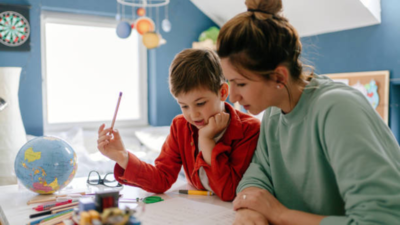
Incorporating toys into learning routines helps children absorb knowledge naturally. Toys make learning fun and keep kids interested. They create a hands-on experience that supports understanding and skill-building. Learning with toys encourages children to explore and practice new ideas actively. Using toys in daily study can improve focus and memory in young learners.
Balancing Play And Study
Mixing playtime with study time keeps children motivated. Short learning sessions followed by play help maintain attention. Play breaks refresh the mind and reduce stress. Setting clear times for study and play builds good habits. Parents and teachers should watch for signs of tiredness or boredom.
Choosing Age-appropriate Toys
Select toys that match the child’s age and skill level. Toys that are too easy or too hard can cause frustration. Age-appropriate toys promote confidence and challenge thinking. Look for toys that teach colors, shapes, numbers, or letters for younger kids. Older children benefit from puzzles, building blocks, and science kits.
Encouraging Imaginative Play
Imaginative play boosts creativity and problem-solving skills. Toys like dolls, action figures, and costumes inspire stories and role-playing. Children practice social skills and language during pretend play. Encouraging imagination helps kids express emotions and ideas. Offer open-ended toys that allow multiple uses and scenarios.
Credit: timesofindia.indiatimes.com
Frequently Asked Questions
How Do Toys Enhance Kids’ Learning Abilities?
Toys stimulate creativity and problem-solving skills in kids. They encourage exploration and critical thinking, making learning fun and effective. Toys also improve hand-eye coordination and sensory development, promoting cognitive growth in children.
What Types Of Toys Promote Educational Growth?
Educational toys like puzzles, building blocks, and interactive games boost cognitive and motor skills. Role-playing toys enhance social and language skills. STEM toys specifically encourage science, technology, engineering, and math learning in kids.
Can Toys Improve Social Skills In Children?
Yes, toys encourage cooperative play, sharing, and communication among kids. Group games and role-playing toys teach empathy, teamwork, and conflict resolution. These social interactions are vital for emotional and interpersonal development.
At What Age Do Toys Start Educating Kids Effectively?
Toys start educating children from infancy by promoting sensory development. As kids grow, toys support language, motor, and cognitive skills. Age-appropriate toys ensure effective learning aligned with developmental stages.
Conclusion
Toys play a vital role in kids’ learning. They teach essential skills. Through play, children explore their world. They develop creativity and problem-solving abilities. Social skills grow as they share and cooperate with others. Educational toys make learning fun and engaging.
Parents should choose toys that match their child’s age and interests. This ensures meaningful playtime. Encouraging play with educational toys supports a child’s growth. A balanced mix of play and learning benefits development. Toys are not just fun; they’re powerful learning tools.
Let’s embrace their potential in our children’s lives.