

Imagine seeing your 3-year-old’s face light up with joy as they shake a tiny tambourine or press the colorful keys of a mini keyboard. Toy instruments are not just toys; they are a gateway to creativity and learning.
But how do you make sure your child gets the most out of them? You might wonder how these small, vibrant instruments can influence your child’s development. What if you could unlock the hidden potential in these toys to boost your child’s cognitive and motor skills?
You’ll discover simple ways to introduce toy instruments to your little one. You’ll learn why these musical tools are more than just fun distractions and how they can be a stepping stone in your child’s growth. Stay with us as we delve into practical tips and tricks to turn playtime into a rich, educational experience for your toddler. Ready to strike the right chord? Let’s get started!
Credit: www.walmart.com
Choosing The Right Toy Instruments
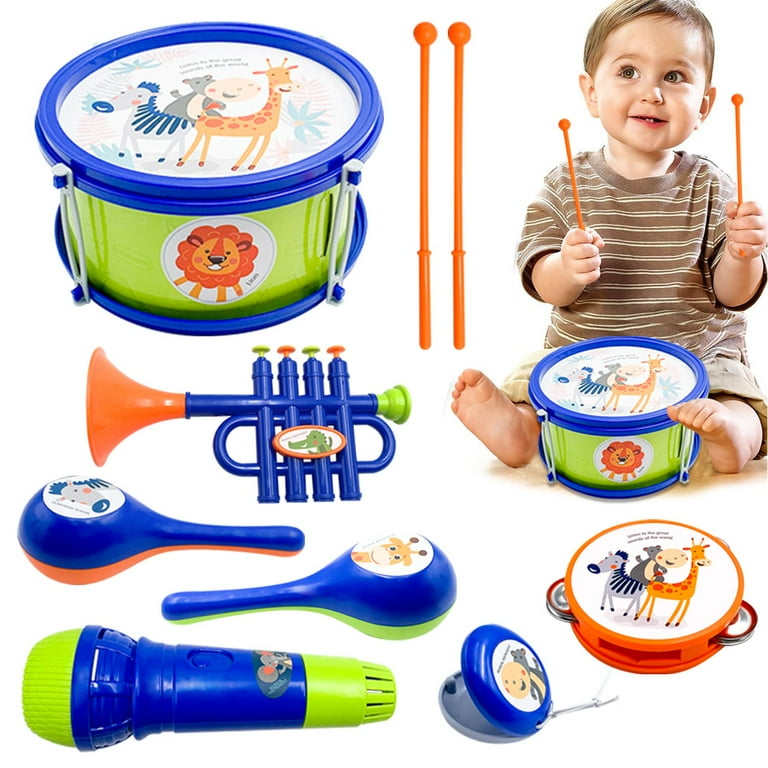
Toy instruments help three-year-olds explore music and develop creativity. Choose colorful, durable options that are easy to hold. Encourage playtime by demonstrating simple tunes and rhythms, fostering a love for music early on.
Choosing the right toy instruments for your three-year-old is a delightful adventure that can spark their creativity and love for music. At this tender age, children are curious and eager to explore new sounds. Selecting instruments that captivate their imagination while being safe and easy to handle is crucial. Let’s dive into the essential aspects you need to consider to make the best choices for your little musician.Understanding Safety And Durability
Safety should be your top priority. Look for instruments made of non-toxic materials. Ensure there are no small parts that can be swallowed. Durability is equally important. Kids can be rough, and you want instruments that won’t break easily. Opt for sturdy designs that can withstand enthusiastic play.Considering Size And Weight
Imagine your child trying to hold a heavy drum or a large guitar. It’s not just about fun; it’s about practicality. Choose instruments that fit comfortably in their small hands. Lightweight options allow them to play with ease, encouraging longer play sessions. This means more time for creativity and less frustration.Exploring Sound Quality
Sound quality matters, even for toy instruments. You want sounds that are pleasant and engaging. Avoid instruments that are overly loud or harsh. A soft, melodic tone can inspire your child to explore different rhythms and melodies. This nurtures their auditory senses and keeps their interest alive.Identifying Interest And Preferences
Every child is unique. Some may show an early interest in percussion, while others might be drawn to strings or wind instruments. Pay attention to what catches their eye. If they love banging on pots, a toy drum might be perfect. Tailoring choices to their preferences can boost their enthusiasm and engagement.Encouraging Creativity Through Variety
Variety is the spice of musical exploration. Introduce a mix of instruments to encourage creativity. A set of maracas, a mini keyboard, and a xylophone can offer a range of sounds and experiences. This variety helps your child discover different musical concepts and fosters an early appreciation for diverse sounds.Thinking About Budget-friendly Options
Toy instruments come in all price ranges. You don’t have to spend a fortune for quality. There are many affordable options that offer excellent play value. Consider sets that include multiple instruments at a reasonable price. This allows your child to explore without breaking the bank.Creating A Musical Environment At Home
What kind of musical environment are you creating at home? Setting up a little music corner with toy instruments can be inviting. Encourage your child to explore and create their own tunes. This space becomes their personal stage, sparking joy and creativity every day. Choosing the right toy instruments for your three-year-old is about understanding their needs and interests. It’s an opportunity to nurture their love for music and creativity. With the right choices, you can make music an integral part of their early development.Engaging Playtime Activities
Introduce toy instruments to spark creativity in 3-year-olds during playtime. These fun tools enhance listening and motor skills. Encourage musical exploration and foster a love for rhythm and sound through playful activities.
Engaging playtime activities with toy instruments can transform your toddler’s day into an exciting learning adventure. These activities are not only fun but also help in developing key skills like coordination, creativity, and listening. By using toy instruments, you can create an interactive environment that encourages your child to explore sounds and rhythms.1. Create A Mini Band
Invite your child to form a mini band with their toy instruments. Gather items like a toy drum, xylophone, and maracas. Encourage them to play each instrument in turn, experimenting with different sounds. Can you imagine the joy on their face when they hit the drum and hear the beat? Let them lead their band, making up their own songs. This boosts their confidence and creativity. You can join in, taking turns to play, and even introduce a simple song structure.2. Musical Storytelling
Turn story time into a musical journey. As you read a story, use toy instruments to bring the narrative to life. If the story mentions rain, shake maracas to mimic the sound of raindrops. This method not only keeps your child engaged but also enhances their understanding of the story. Encourage them to choose instruments that match different parts of the tale. This activity can spark their imagination and improve their ability to associate sounds with actions.3. Rhythm And Movement
Combine music with movement to keep your child active. Use toy instruments to create a rhythm for them to move to. Can they march to the beat of a tambourine or hop to the sound of a xylophone? This activity helps with motor skills and coordination. Encourage them to create their own dance moves. You might be surprised by their creativity and enthusiasm!4. Sound Exploration
Dedicate time for sound exploration with toy instruments. Allow your child to explore each instrument, discovering how it makes different sounds. Ask them, what happens when they tap a xylophone key gently versus with more force? This exploration is crucial for developing their auditory skills. It helps them recognize differences in pitch, tone, and volume.5. Sing-along Sessions
Enhance sing-along sessions by adding toy instruments. Choose simple songs that your child loves, and use toy instruments to accompany the singing. Encourage them to play along and keep the rhythm. This not only makes singing more fun but also reinforces their musical timing. You can even create a family band, with everyone playing a role. Engaging playtime with toy instruments can open a world of discovery for your child. Which activity will you try first?Encouraging Creativity Through Music
Music isn’t just a form of entertainment; it’s a powerful tool for sparking creativity in young minds. Toy instruments for 3-year-olds are perfect for encouraging creativity through music. They offer a playful and accessible way for children to express themselves while developing essential skills.
How Toy Instruments Stimulate Imagination
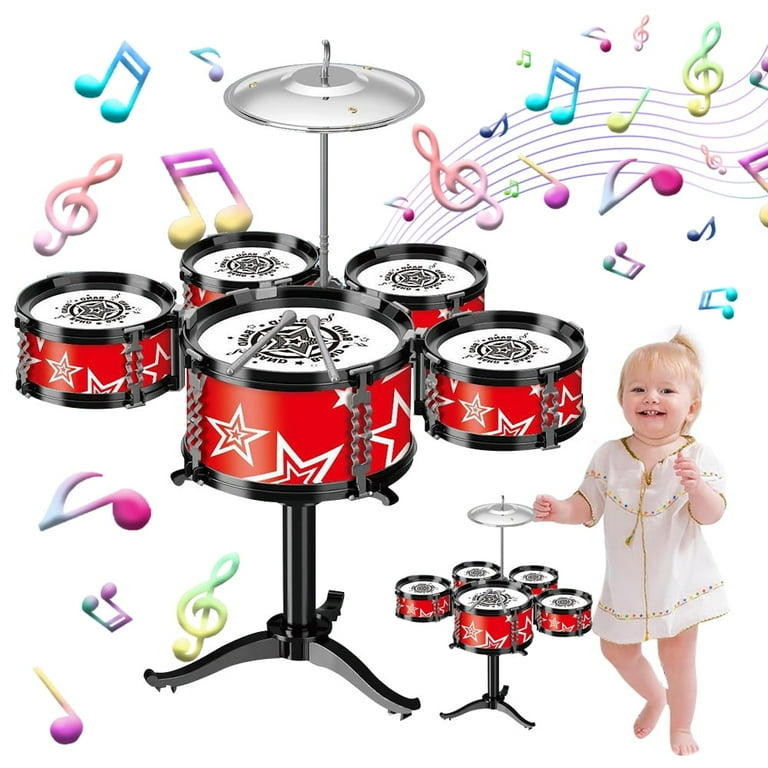
When children pick up a toy instrument, they enter a world of possibilities. A simple toy drum can become the heartbeat of a marching band or the rhythm of a jungle adventure. These imaginative play scenarios help children think creatively and stretch their imagination.
Building Confidence And Self-expression
Playing a toy instrument allows children to explore sounds and rhythms without fear of judgment. This freedom encourages them to express themselves boldly and confidently. You might notice your child singing along or creating their own melodies. Celebrate these moments and watch their confidence soar.
Developing Motor Skills
Toy instruments are not just about sound; they also engage children’s hands and fingers. Whether they’re pressing keys on a toy piano or shaking maracas, they are refining their motor skills. This physical interaction helps in the development of hand-eye coordination.
Creating A Musical Environment
Consider setting up a dedicated music corner at home. Fill it with a variety of toy instruments to spark curiosity. You can occasionally join in, playing alongside your child. This shared experience fosters a love for music and strengthens your bond.
Encouraging Group Play
Invite friends or family over for a musical jam session. Encourage children to play together, creating their own band. This group play fosters teamwork and teaches them the basics of collaboration. You might be surprised by the creative tunes they compose.
Have you ever wondered what kind of music your child could create with just a few toy instruments? Let them explore and make music a joyful part of your daily routine. The creativity they discover today might be the foundation for future artistic endeavors.
Credit: www.walmart.com

Credit: www.amazon.com
Frequently Asked Questions
What Instrument Should A 3 Year Old Learn?
A 3-year-old can start with simple instruments like a toy piano, ukulele, or percussion instruments. These are easy to use and help develop rhythm. Prioritize fun and exploration to spark interest in music.
How To Use Musical Instruments With Toddlers?
Introduce simple instruments like shakers or drums. Encourage exploration through play. Sing along to enhance engagement. Supervise to ensure safety. Keep sessions short and fun to maintain interest.
What Age Should A Child Start Playing Musical Instruments?
Children can start playing musical instruments around age 5 to 7. Interest and readiness are important factors. Choose instruments suited for their size and strength. Early musical exposure enhances cognitive development. Encourage regular practice for skill improvement. Tailor lessons to the child’s pace and enthusiasm for best results.
What Is The Best First Instrument For A Child To Learn?
The best first instrument for a child is the piano. It builds musical foundation and improves hand-eye coordination. The piano’s versatility makes learning enjoyable and easier for young children. Another great option is the ukulele, which is small and has simple chords for beginners.
Conclusion
Toy instruments bring joy to three-year-olds. They spark creativity. Encouraging play with these instruments helps children learn. They explore sounds and rhythms. It’s a fun way to boost development. Parents should choose safe, durable toys. Always supervise playtime. Interaction with toy instruments builds motor skills.
It enhances listening skills too. Playing together strengthens bonds. Sharing musical moments creates lasting memories. Music becomes a playful adventure. A delightful learning journey. Perfect for little explorers. Encourage musical play. Watch your child grow. Enjoy the magic of music.