

Imagine watching your 2-year-old explore the world with curiosity and delight. As a parent or caregiver, you want to nurture that sense of wonder and help your child learn through play.
Enter sensory bins—a simple yet powerful tool that can transform playtime into a rich learning experience. Sensory bins engage your child’s senses, spark their creativity, and boost their cognitive skills, all while providing endless fun. But how do you use them effectively?
And what makes them so beneficial for your little one? We’ll guide you through the magic of sensory bins, showing you how to create and utilize them to captivate your child’s imagination. Whether you’re new to sensory play or looking to enhance your existing activities, you’ll find valuable tips and ideas that are easy to implement. Ready to unlock a world of discovery and joy for your toddler? Let’s dive in and explore the wonders of sensory bins together.
Benefits Of Sensory Bins
Sensory bins provide a fun and educational activity for two-year-olds. They help develop fine motor skills and creativity. By exploring different textures and materials, children enhance their sensory experiences and cognitive abilities.
Introducing sensory bins to your 2-year-old can be a delightful and educational experience. These simple yet effective tools are more than just boxes filled with fun. They offer a multitude of benefits that can significantly aid in your child’s development. Let’s dive into how sensory bins can be a game-changer for your little one.Develops Fine Motor Skills
Playing with sensory bins encourages children to use their fingers and hands in new ways. Scooping, pouring, and pinching different materials help strengthen their hand muscles. This is crucial for tasks like writing and buttoning clothes later on.Enhances Cognitive Growth
Sensory bins are a great way to introduce concepts like cause and effect. As your child discovers how items move and interact, they learn about the world in a hands-on manner. This kind of play nurtures curiosity and critical thinking.Boosts Language Skills
While engaging with sensory bins, children often describe what they feel and see. This is a fantastic opportunity for you to introduce new vocabulary. You might hear your child say, “The rice feels soft,” or “The beans make a loud noise.”Supports Emotional Development
Sensory bins can be calming for young children. The repetitive actions involved can help manage emotions and reduce anxiety. Consider adding soothing textures like soft sand or water beads.Encourages Social Interaction
Sharing a sensory bin with friends or siblings can foster cooperation and communication. Children learn to take turns and share ideas during play. This can be a great way to build friendships and social skills.Sparks Creativity And Imagination
A sensory bin is a blank canvas for your child’s imagination. With a few toys and props, they can create entire worlds. This kind of play encourages creativity and storytelling skills. As you explore the world of sensory bins, consider the endless possibilities they offer. What new adventures will your child embark on today?Choosing Safe Materials
Choosing safe materials for sensory bins is crucial when engaging your toddler in play. At two years old, children are naturally curious, and sensory bins can be a fantastic way to nurture this curiosity. However, safety should always be a priority to ensure a fun and worry-free experience.
Non-toxic Options
When selecting materials for sensory bins, non-toxic options are essential. Young children tend to explore with their mouths, making it important that the items are safe if accidentally ingested. Look for materials labeled as non-toxic, such as natural food items like rice, pasta, or oats. You can also include water beads, ensuring they’re specifically labeled as non-toxic and safe for children.
Consider using homemade play dough, which you can customize using flour, water, and food coloring. This ensures that even if your child decides to taste their play dough creation, it’s entirely safe.
Age-appropriate Items
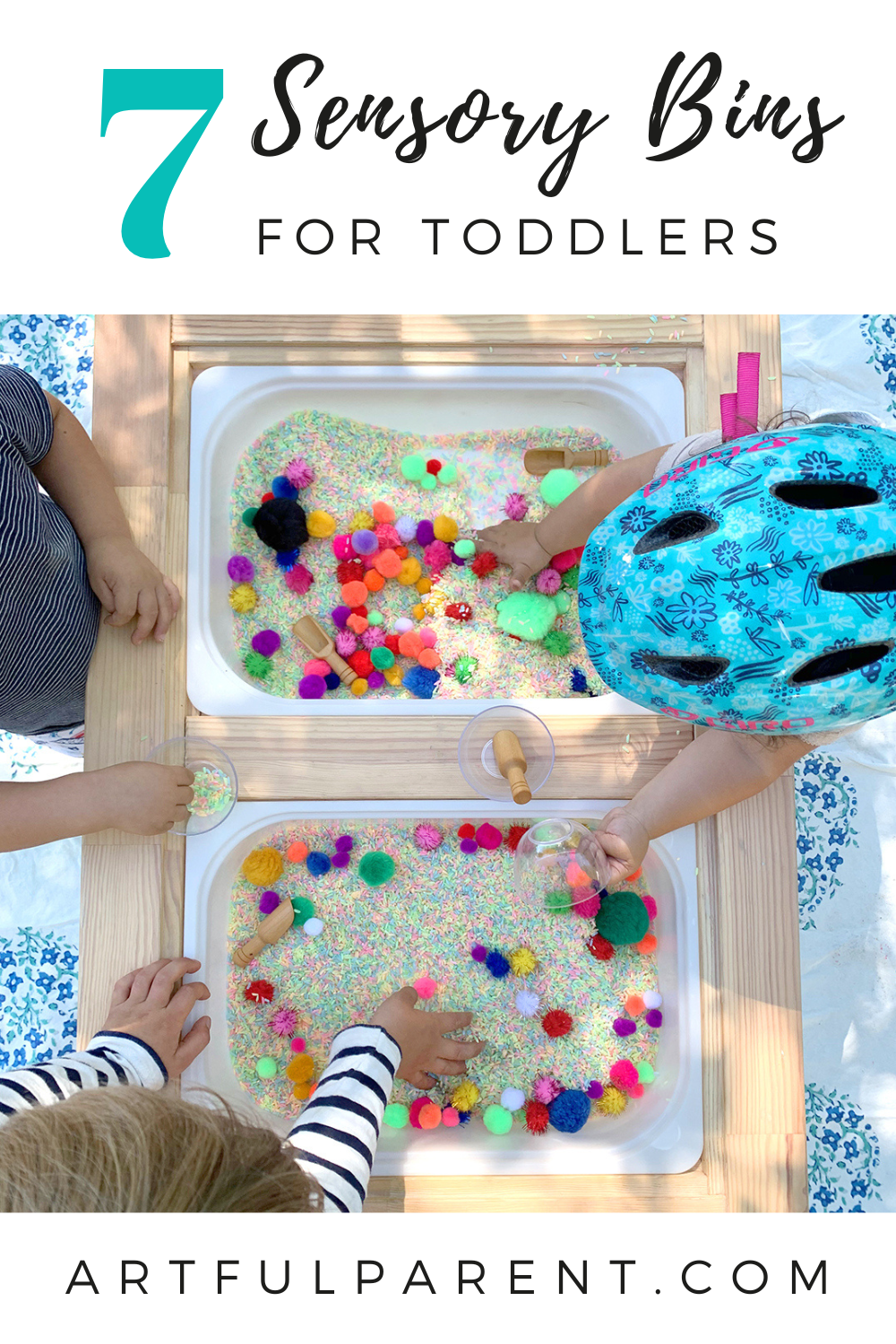
Choosing age-appropriate items keeps sensory play both safe and engaging. At two years old, children are developing fine motor skills, so items like large buttons, chunky beads, and soft pom-poms are ideal. They are big enough to handle without posing a choking hazard.
Think about including items that stimulate different senses. For example, you might use scented rice or textured fabrics. These not only captivate your child’s interest but also support their sensory development.
Would your child enjoy exploring different textures and scents? This can be a great way to introduce them to the world around them while ensuring safety and engagement.
- Non-toxic natural food items
- Homemade play dough
- Large buttons and beads
- Scented rice
- Textured fabrics
Creating Themes
Creating themes with sensory bins can captivate two-year-olds and spark their curiosity. Use different textures and colors to stimulate their senses and encourage exploration.
Creating themes for sensory bins can transform playtime into an unforgettable adventure for your two-year-old. By introducing different themes, you stimulate their imagination, expand their learning horizons, and keep them engaged. Themed sensory bins provide a structured yet creative way to explore the world, offering a unique blend of fun and education. As you dive into theme creation, consider the following ideas that can bring excitement and wonder to your child’s play.Nature-inspired Themes
Nature-inspired sensory bins can introduce your little one to the beauty of the natural world. Use items like leaves, pinecones, and small stones to mimic a forest environment. Add toy animals such as squirrels or birds to enhance the experience. You can even include a magnifying glass for your child to explore textures up close. What sounds do leaves make when crushed? Encourage your child to listen and describe. This not only develops sensory skills but also encourages verbal expression.Color-based Themes
Creating a color-based sensory bin is both simple and effective for teaching your child about colors. Choose a color and fill the bin with objects of varying shades. Consider using items like colored rice, pom-poms, or colored pasta. Add matching toys or objects to deepen the theme. Challenge your child to find objects of the same color around your home. This activity enhances their ability to differentiate and categorize colors, making learning interactive and fun.Seasonal Themes
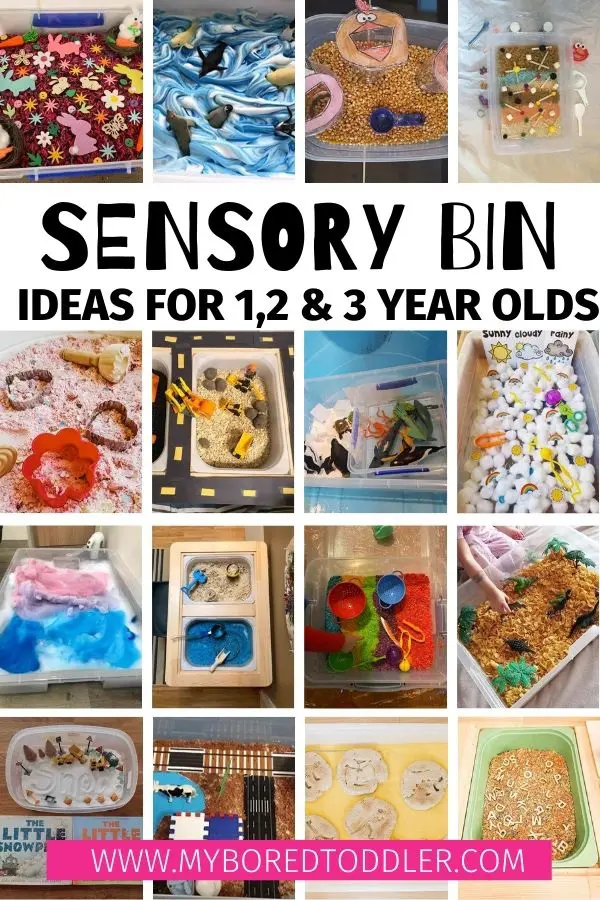
Seasonal themes are perfect for helping your child understand the changes in the world around them. Create a winter bin with cotton balls as snow and small sled toys. For a summer bin, use sand, seashells, and mini beach toys to mimic the beach. Discuss what makes each season unique and encourage your child to share their own experiences. How does your child react to the idea of seasons changing? This can spark conversations about weather, clothing, and holidays, enriching their comprehension and curiosity.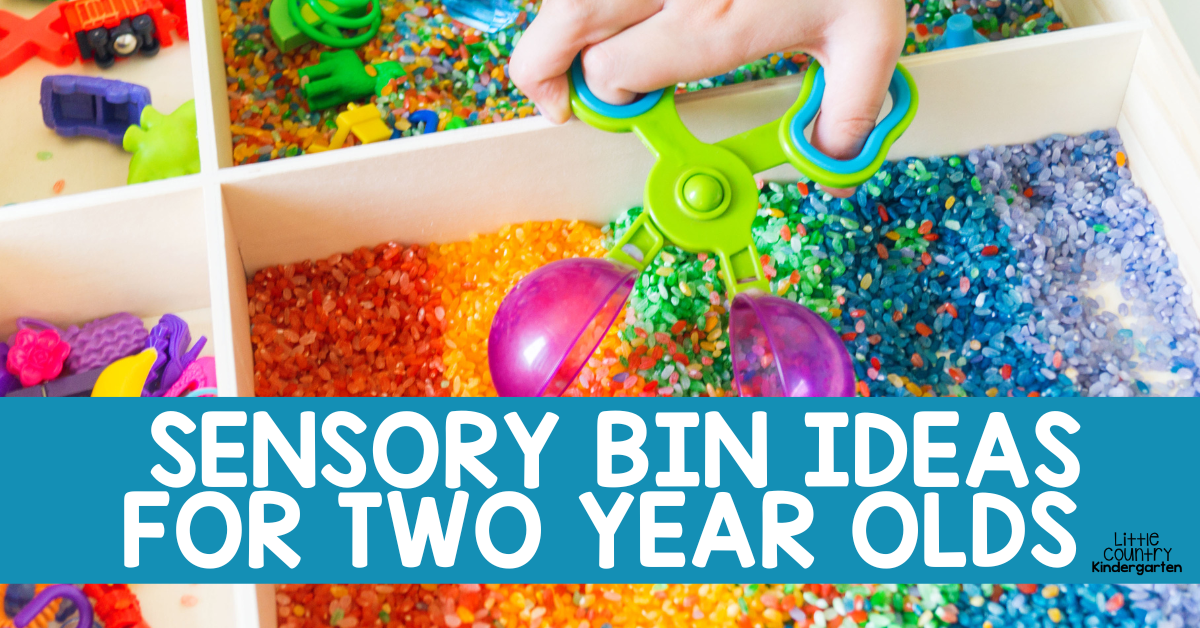
Credit: littlecountrykindergarten.com
Setting Up The Sensory Bin
Setting up a sensory bin for 2-year-olds offers endless exploration. Fill it with safe, touchable items like rice or pasta. Include colorful toys or spoons to encourage imaginative play and fine motor skills.
Setting up a sensory bin for your curious two-year-old is an exciting adventure that promises hours of exploration and learning. As you prepare this creative and stimulating activity, you’ll find the setup process is as engaging as the play itself. Let’s dive into the essentials of crafting the perfect sensory bin environment.Container Selection
Choosing the right container is crucial for an effective sensory bin. Opt for a sturdy, shallow bin that’s easy for little hands to reach into. Plastic bins are a popular choice; they’re durable and easy to clean. You might want to consider transparent containers so your child can see through the sides and get a sneak peek at what’s inside. Think about the size of the container. It should be large enough to fit various sensory items but not so big that it overwhelms your child. If you’re planning to use water or messy materials, ensure the bin is waterproof and has smooth edges to prevent any accidents.Organizing The Space
Creating a dedicated space for sensory play can enhance the experience. Find a quiet corner in your home where your child can concentrate without distractions. Lay down a mat or towel to catch any spills and to define the play area. This not only helps with cleanup but also signals to your child where the boundaries of play are. Consider the lighting. Natural light can make the colors and textures in the bin more vibrant, sparking your child’s curiosity. Keep all necessary supplies nearby—such as scoops, cups, or towels—to make the play session seamless. Do you have a special spot in your home that feels like a sanctuary for creativity? Setting up a sensory bin there could turn it into your child’s favorite play area.Guiding Playtime
Sensory bins offer a fun and educational experience for two-year-olds. Fill them with various textures like rice or beans to stimulate touch and sight. These bins encourage exploration and creativity, helping toddlers develop fine motor skills while playing.
Guiding playtime with sensory bins can be a delightful and educational experience for your 2-year-old. It’s not just about keeping them entertained; it’s about nurturing their curiosity and developing their senses. By guiding them thoughtfully, you can turn simple play into a valuable learning opportunity.Encouraging Exploration
Let your child take the lead. Watch as they scoop, pour, and sort materials. Each movement is a step towards learning. Create a safe environment by choosing age-appropriate materials. Avoid small objects that could pose a choking risk. Instead, opt for larger items like big pasta shells or chunky wooden blocks. Use sensory bins to introduce new concepts. For instance, fill a bin with sand, shells, and toy sea creatures to spark conversations about the ocean. This approach makes learning seamless and fun.Interactive Play Ideas
Turn playtime into a storytelling session. Use the items in the bin to create stories together. This not only enhances their creativity but also develops language skills. Incorporate themes that align with your child’s interests. If they love animals, create a mini zoo with toy animals and natural materials. This keeps them engaged and excited. Encourage them to use their imagination. Ask questions like, “What do you think this animal eats?” or “Where does this live?” Prompting them to think beyond what they see enhances critical thinking. Guiding playtime with sensory bins can be transformative. As you engage with your child, consider what other everyday experiences can be turned into learning moments. What can you discover together today?Incorporating Learning
Sensory bins offer a fun way for 2-year-olds to explore textures, colors, and shapes. Fill bins with items like rice, beans, or water beads, and watch curiosity thrive. Tailor themes to engage young minds, sparking creativity and learning through play.
Incorporating learning into sensory bins for 2-year-olds can be a delightful experience. These bins offer more than just play; they nurture essential skills. As toddlers explore textures, colors, and objects, they engage in meaningful learning. Each sensory bin can be tailored to promote specific developmental areas. Parents can use sensory bins to introduce new concepts and encourage curiosity. With the right materials, sensory bins can transform into powerful educational tools.Language Development
Sensory bins foster language development in young children. As toddlers interact with different items, they learn new words. Describing textures, colors, and shapes enhances vocabulary. Parents can ask questions, prompting children to express thoughts. Naming objects and actions aids in language acquisition. Singing songs or rhymes during playtime enriches the experience.Fine Motor Skills
Sensory bins are excellent for improving fine motor skills. Picking up small items helps strengthen finger muscles. Pouring, scooping, and sorting require precise hand movements. Manipulating objects enhances hand-eye coordination. These activities prepare children for writing and other tasks. Simple movements in sensory play have lasting benefits.Problem-solving
Sensory bins encourage problem-solving skills. Children learn to navigate challenges and find solutions. Experimenting with materials teaches cause and effect. Sorting objects by size or color requires logical thinking. Sensory bins can include puzzles or tasks to solve. Problem-solving activities build confidence and critical thinking.Maintaining Interest
Engage two-year-olds with sensory bins filled with varied textures and colors. These interactive tools captivate their attention and encourage exploration. Incorporating everyday items like rice, beans, or water can spark curiosity and maintain their interest for longer periods.
Maintaining interest in sensory bins for 2-year-olds involves creativity and variety. Young children are naturally curious, and sensory bins can capture their attention with new elements. By changing materials and themes, you keep their exploration fresh and exciting. This helps in enhancing their learning and sensory skills effectively.Rotating Materials
Switch out items in the sensory bin regularly. Use simple materials like rice, beans, or pasta. Swap these with water beads or sand occasionally. Add everyday objects like spoons, cups, or toy cars. Children love discovering new textures and shapes. Frequent changes make each sensory play session unique.- Introduce natural elements like leaves or shells.
- Include soft fabrics like cotton balls or felt.
- Change color themes with dyed rice or pasta.
Introducing New Themes
Create themed sensory bins to stimulate interest. Themes can be based on seasons, holidays, or favorite animals. For a summer theme, use sand, seashells, and toy fish. During holidays, include themed items like mini pumpkins or Easter eggs. Familiar themes encourage imaginative play and storytelling.| Seasonal Theme | Materials |
| Winter | White rice, snowflake cutouts, small penguins |
| Spring | Green beans, flower petals, toy insects |
Credit: artfulparent.com
Tips For Cleanup
Cleaning up after sensory play with your 2-year-old can be a breeze if you have the right strategies in place. Sensory bins are fantastic for enhancing your toddler’s creativity and motor skills, but the aftermath can sometimes feel overwhelming. However, with a few smart tips, you can turn cleanup into a fun and manageable task. Let’s dive into some effective methods to make tidying up a stress-free experience.
Quick Cleanup Methods
- Use a Large Mat:Place a large mat or tarp under the sensory bin to catch spills. This makes it easier to gather and dispose of materials without needing to vacuum or sweep.
- Designate a Cleanup Zone:Have a specific area where all sensory play occurs. This helps contain messes to one spot, making it simpler to clean.
- Keep a Dustpan Handy:A small dustpan and brush can quickly sweep up any stray items from the floor. It’s a simple tool but can save you a lot of time.
Involving Toddlers
- Make it a Game:Turn cleanup into a fun activity by challenging your toddler to see who can gather the most items. This encourages participation and creates a sense of accomplishment.
- Sing Cleanup Songs:Singing a catchy cleanup song can make the process more enjoyable and engaging for your toddler. It helps them associate tidying up with fun.
- Use Color Sorting:Encourage your child to sort items by color or type as they clean. This not only aids in organizing but also boosts their learning and categorization skills.
Have you ever thought about how involving your toddler in the cleanup process could transform their perspective on tidying up? By integrating these methods, you can make cleanup an integral part of the sensory play experience, fostering responsibility and teamwork in your little one. What strategies do you use to make cleanup efficient and enjoyable?
Credit: myboredtoddler.com
Frequently Asked Questions
Are Sensory Bins Good For 2 Year Olds?
Sensory bins are excellent for 2-year-olds, promoting exploration, fine motor skills, and cognitive development. They provide hands-on learning and stimulate curiosity. Use safe materials like rice, beans, and toys. Encourage imaginative play and language development through interaction. Always supervise to ensure safety and enhance the learning experience.
What Is Sensory Play For A 2 Year Old?
Sensory play involves activities that stimulate a 2-year-old’s senses, such as touch, sight, sound, taste, and smell. It enhances cognitive development, motor skills, and problem-solving abilities. Examples include playing with sand, water, or textured toys. Sensory play encourages creativity, exploration, and learning through engaging, hands-on experiences.
What Age Should You Start Sensory Bins?
Start sensory bins at 6 months old, ensuring supervision. Use age-appropriate, non-toxic materials. Encourage exploration and creativity safely.
What To Put In A Sensory Table For Toddlers?
Fill a sensory table with sand, water, colored rice, or pasta. Add toys like scoops, cups, and funnels. Include natural items like leaves, pinecones, or seashells. Enhance with scented playdough or soft fabrics. These items stimulate toddlers’ senses and encourage exploration and creativity.
Conclusion
Sensory bins offer toddlers a fun learning experience. These bins stimulate their senses and spark creativity. They help develop fine motor skills and hand-eye coordination. Parents can easily create sensory bins at home. Use everyday items like rice, sand, or pasta.
Change themes to keep things exciting. Always supervise play to ensure safety. Encourage your child to explore and discover. Sensory play fosters curiosity and boosts confidence. It’s a great bonding activity for families. Try different textures and colors for variety.
Enjoy watching your child learn and grow through sensory play.