

Imagine the joy on your child’s face as they whip up a pretend feast, serving imaginary tea to their favorite stuffed animals. Kitchen playsets for 3-year-olds are not just toys; they are gateways to creativity, learning, and endless fun.
You might be wondering how something so simple can have such a big impact on your child’s development. The secret lies in the blend of play and learning these playsets offer. By engaging your little one in imaginative cooking adventures, you’re nurturing their cognitive skills, encouraging social interaction, and even sparking an interest in real-life cooking.
Curious about how you can make the most of these playsets for your child’s growth and happiness? Keep reading to discover practical tips and creative ideas that will transform playtime into an enriching experience for your toddler.
Engaging Playtime Ideas
Engaging playtime ideas with kitchen playsets spark creativity in children. They offer diverse opportunities for learning and fun. Children explore roles, develop skills, and enjoy imaginative adventures. These playsets are perfect for inspiring young minds. Let’s dive into some engaging playtime ideas.
Cooking Show Fun
Turn your kitchen playset into a cooking show stage. Encourage your child to be the chef. They can create and present meals with their toy food. Use a play microphone for added excitement. This boosts their confidence and language skills.
Grocery Shopping Adventure
Set up a mini grocery store next to the play kitchen. Provide a basket or bag for shopping. Label play food with prices using paper and markers. Your child can “buy” ingredients and cook meals. This enhances their math and decision-making skills.
Restaurant Role Play
Transform the playset into a bustling restaurant. Your child can be the chef or server. Create menus using paper and crayons. Invite family members to “order” meals. This activity improves social skills and creativity.
Color And Shape Sorting
Use kitchen playsets to teach colors and shapes. Sort play food by color or shape. This activity strengthens their cognitive skills. It’s a fun and educational experience.
Picnic Time
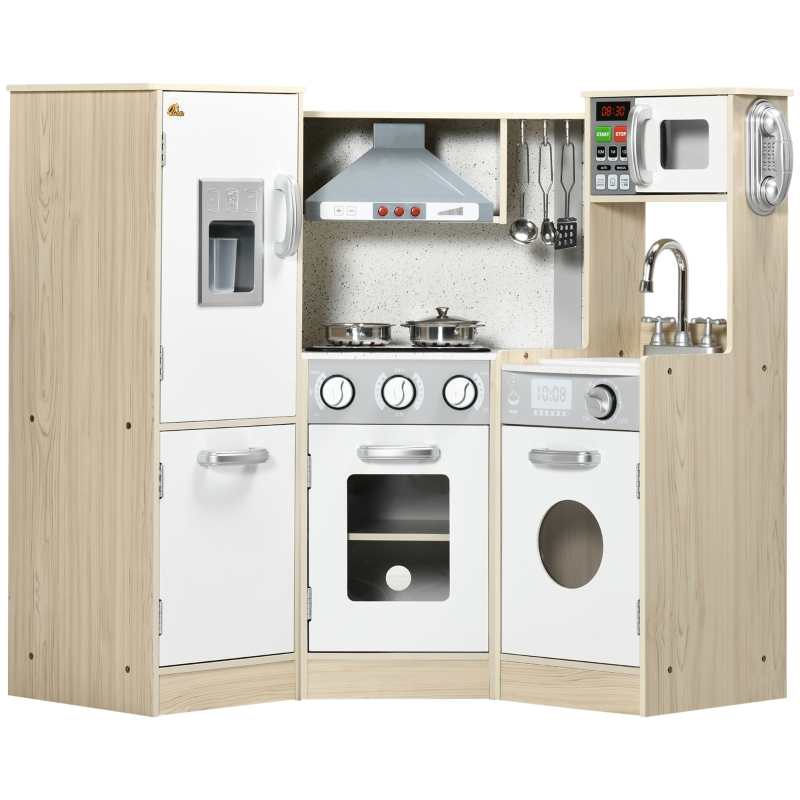
Organize a pretend picnic using the playset. Lay a blanket on the floor. Pack play food and utensils into a basket. Your child can serve meals to dolls or stuffed animals. This encourages sharing and social interaction.
Credit: www.aosom.com
Educational Benefits
Kitchen playsets offer many educational benefits for 3-year-olds. These toys engage young minds and help them learn through play. Children develop important skills while having fun. Below are some educational benefits of kitchen playsets.
Language Development
Kids learn new words while playing with kitchen sets. They name food items and utensils. This practice expands their vocabulary. They also engage in pretend conversations. These interactions improve their communication skills.
Social Skills
Playing with others teaches children to share and cooperate. Kids learn to take turns and work together. This fosters teamwork and empathy. They develop friendships and understand different roles in a social setting.
Problem-solving Skills
Kitchen playsets encourage problem-solving. Children figure out how to use different tools. They learn to match food items and utensils. This enhances their logical thinking. They also learn to make decisions during play.
Fine Motor Skills
Handling small items improves fine motor skills. Kids grasp and manipulate objects. This strengthens hand-eye coordination. These skills are essential for writing and daily tasks.
Imagination And Creativity
Kids create imaginary scenarios with kitchen playsets. They invent recipes and meal ideas. This stimulates their creativity. It also allows them to express themselves freely.
Safety Tips For Parents
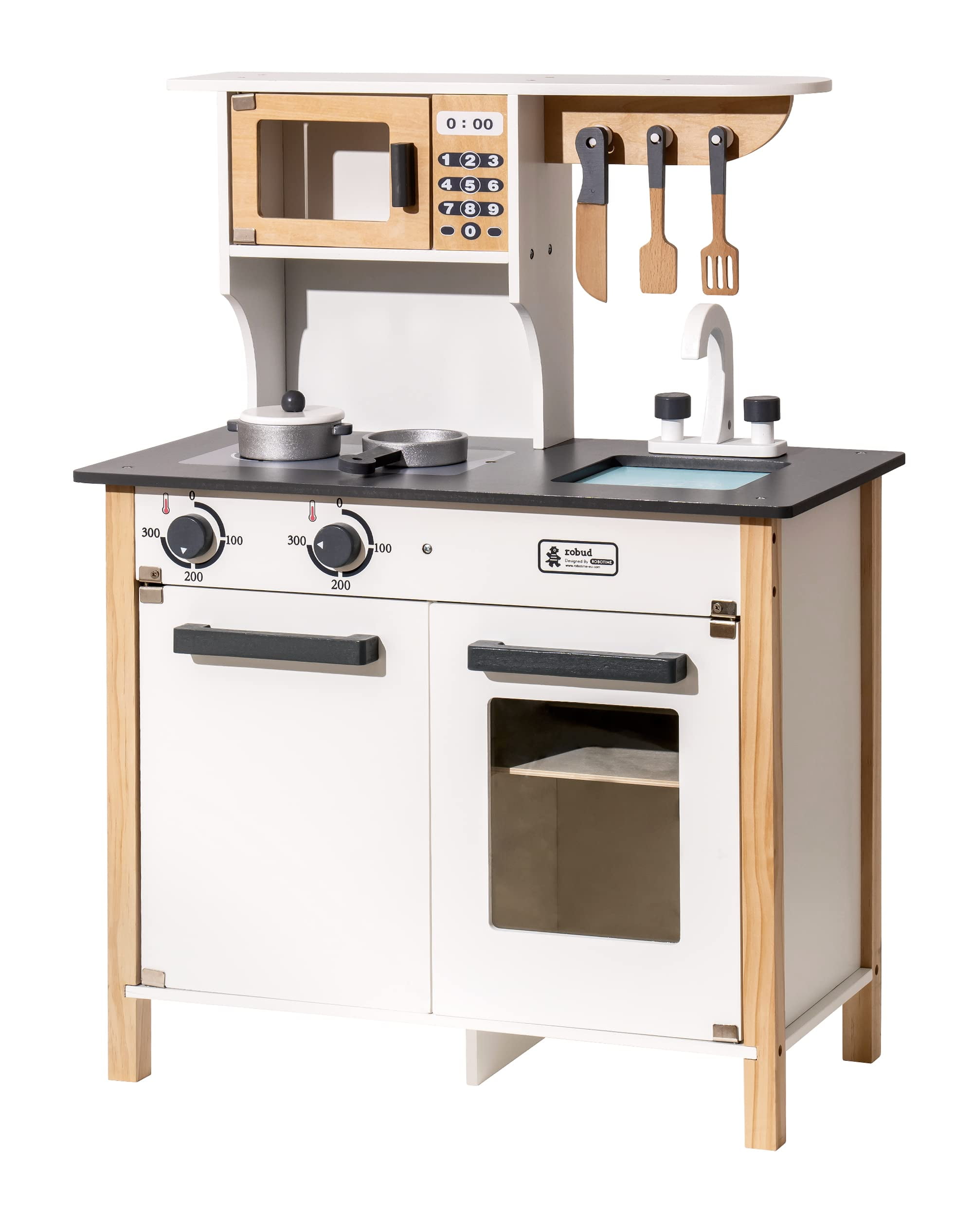
Using kitchen playsets with toddlers can be a delightful experience. These toys spark imagination and creativity in young minds. Ensuring safety is crucial while children explore these playsets. Parents must be vigilant to ensure a safe playing environment. Below are essential safety tips for parents to keep in mind.
Check For Small Parts
Examine the playset for tiny components. Avoid sets with small parts that can be swallowed. Choose age-appropriate toys for three-year-olds. This reduces choking hazards.
Ensure Sturdy Construction
Inspect the playset’s build quality. Ensure it’s robust and well-made. Flimsy toys may break easily. They can cause harm if pieces detach. Select durable materials for safety.
Watch Sharp Edges
Feel the edges of the playset. Sharp or rough surfaces can injure small hands. Choose playsets with smooth edges. This minimizes the risk of cuts or scrapes.
Monitor Playtime
Supervise your child during play. Keep an eye on interactions. Kids can be unpredictable. Your presence ensures immediate assistance if needed.
Teach Safe Play Practices
Guide your child in safe play habits. Explain how to handle toys gently. Encourage sharing and cooperation. This fosters a safe and friendly play environment.
Store Properly
Organize toys after play. Store playsets safely away from reach. This prevents accidental falls or injuries. Neat storage promotes safety.

Credit: www.amazon.com
Credit: www.walmart.com
Frequently Asked Questions
Why Are Play Kitchens For 3 Year Olds?
Play kitchens are ideal for 3-year-olds as they boost imagination, social skills, and motor development. They encourage role-play, creativity, and interaction with peers. These toys help in understanding real-life activities, fostering cognitive growth. Play kitchens are safe, educational, and designed for preschoolers’ interests and abilities.
At What Age Do Kids Stop Playing With Kitchen Sets?
Kids usually stop playing with kitchen sets between ages 8 and 12. Interests shift to more complex activities. Every child is different, so this can vary. Parents should encourage creative play as long as the child enjoys it.
How Does A Play Kitchen Help A Child’s Development?
A play kitchen fosters creativity, enhances social skills, and improves problem-solving abilities. It encourages role-playing and teamwork. Children develop fine motor skills by handling utensils and pretend food. Play kitchens also aid in language development as kids describe their actions and engage in imaginative storytelling.
What Age Is Appropriate For An Ikea Play Kitchen?
The Ikea play kitchen is suitable for children aged 3 and up. It encourages imaginative play and creativity. Always supervise younger children to ensure safe play. Follow assembly instructions carefully for durability and safety. The kitchen set offers a fun, engaging experience for kids, fostering learning through role-playing activities.
Conclusion
Kitchen playsets spark joy and creativity in young minds. These toys offer endless fun while teaching life skills. Your child can learn sharing, teamwork, and imagination. Simple pretend play can boost their confidence. So, encourage your child to explore and play.
Watch as they invent stories and create memories. These playsets are more than toys; they’re learning tools. They help kids grow in a fun way. Happy playtime leads to happy learning. Choose a kitchen playset that suits your child’s interests.
Enjoy watching them play chef and discover the world of cooking.