

Imagine the joy of seeing your dog not only entertained but also mentally stimulated. You’ve probably noticed how much your furry friend enjoys playtime.
But what if you could turn that playtime into a rewarding brain workout? Puzzle toys are not just a fun pastime; they are a brilliant way to boost your dog’s intelligence and keep them engaged. If you’re wondering how to teach your dog to use a puzzle toy effectively, you’re in the right place.
This guide will walk you through simple steps to turn your dog’s playtime into a thrilling adventure. Get ready to unlock a world of fun and learning for your pet, keeping them happy and healthy. Let’s dive into the secrets of making puzzle toys an exciting part of your dog’s daily routine!
Choosing The Right Puzzle Toy
Choosing the right puzzle toy plays a key role in teaching your dog to enjoy it. The perfect toy fits your dog’s size, personality, and skill level. A good fit keeps your dog interested and motivated to solve puzzles. It also prevents frustration or boredom during playtime.
Understanding the different types of puzzle toys helps in making the best choice. Each toy offers a unique challenge and reward system for your dog. Matching the toy to your dog’s abilities boosts confidence and learning speed.
Types Of Puzzle Toys
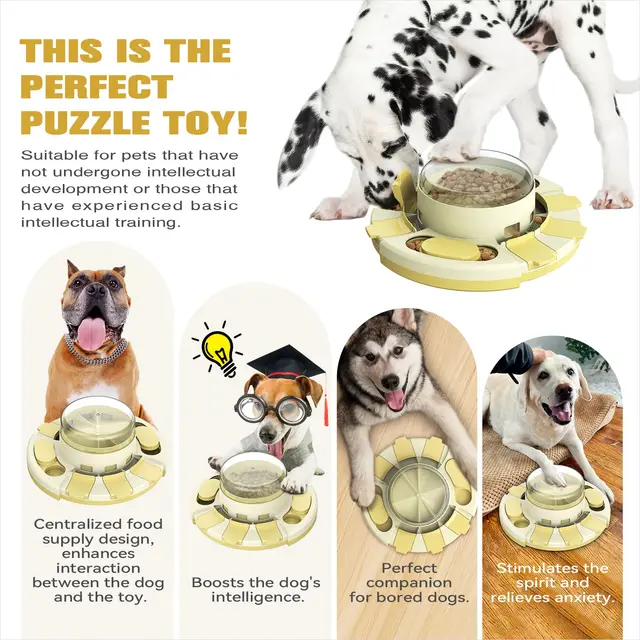
Puzzle toys come in various styles. Some require your dog to slide pieces to find treats. Others need your dog to lift lids or spin compartments.
- Interactive feeders:These slow down eating and challenge your dog to get food.
- Hide-and-seek toys:Your dog must find hidden treats inside compartments.
- Sliding puzzles:Dogs move parts to reveal rewards.
- Snuffle mats:Dogs sniff and dig to locate treats.
Selecting Based On Dog’s Skill Level
Start with simple toys for beginners. Choose puzzles with large pieces and easy access to treats. This helps your dog learn the concept without stress.
For dogs with some experience, select toys with moderate difficulty. These toys have smaller compartments or require multiple steps.
Advanced dogs enjoy complex puzzles. These challenge problem-solving skills and keep their minds sharp. Adjust the toy’s difficulty as your dog improves.
Credit: www.aliexpress.com
Introducing The Toy To Your Dog
Introducing a puzzle toy to your dog is the first step toward fun and learning. The goal is to make the toy interesting without causing stress. Dogs need time to understand the new object. Patience and gentle guidance help your dog feel safe and curious.
Start by showing the toy in a calm space. Let your dog sniff and explore it freely. Avoid forcing the toy into play. This builds trust and sets a positive tone for future sessions.
Creating Interest And Curiosity
Place the puzzle toy where your dog can see it easily. Keep the area quiet and free from distractions. Let your dog approach the toy at their own pace. Praise your dog softly for any interaction with the toy.
Use gestures like tapping or rolling the toy gently to catch attention. Watch your dog’s body language. Signs of curiosity include sniffing, pawing, or nudging the toy. Encourage these behaviors with a happy voice. This turns the toy into a fun challenge.
Using Treats As Motivation
Hide small treats inside the puzzle toy. Start with easy-to-find places. Let your dog see you put the treat inside first. This helps your dog connect the toy with rewards.
Show your dog how to get the treat by partially opening the toy. Cheer when your dog tries to get the treat. Use treats your dog loves. This keeps motivation high and learning positive.
Gradually increase the difficulty as your dog gets better. Keep sessions short to maintain interest. End with a reward and praise to make your dog happy.
Step-by-step Training Process
Teaching your dog to use a puzzle toy takes patience and clear guidance. The process involves showing your dog how the toy works. Then, encouraging them to play alone. Finally, increasing the challenge to keep them interested. Each stage builds your dog’s confidence and skills.
Demonstrating How It Works
Start by showing your dog the puzzle toy. Let them see you open compartments or move parts. Place treats in easy-to-reach spots. Use your hand to guide your dog’s nose or paw to the treat. Praise your dog when they try to interact with the toy. Keep sessions short and positive to hold their attention.
Encouraging Independent Play
Once your dog understands the basics, step back. Allow your dog to explore the toy alone. Stay nearby to offer encouragement but avoid helping. Use treats to reward your dog’s success. This builds their confidence and curiosity. Repeat often so your dog learns to enjoy the challenge.
Gradually Increasing Difficulty
Make the puzzle toy harder as your dog improves. Move treats to less visible spots. Add more compartments or obstacles. Watch your dog’s reaction to adjust difficulty. Praise your dog for solving tougher parts. This keeps the game fun and mentally stimulating.

Credit: www.mirror.co.uk
Troubleshooting Common Issues
Teaching your dog to use a puzzle toy can be a fun and rewarding experience, but it doesn’t always go smoothly. You might find your dog getting frustrated or losing interest. Troubleshooting these common issues can help both you and your dog enjoy the process more and get the best results from the toy.
Dealing With Frustration
Frustration is a common reaction when your dog can’t figure out the puzzle right away. If you notice your dog whining or giving up, it’s a sign to step back and simplify the challenge.
Try breaking the task into smaller steps. For example, start by showing your dog how to get a treat from an easier part of the toy. Praise your dog often to boost confidence and reduce stress.
Ask yourself: Is the puzzle too hard for your dog’s current skill level? Adjust the difficulty by removing some obstacles or partially exposing the treats. This keeps frustration low and motivation high.
Keeping Your Dog Engaged
Dogs can quickly lose interest if the puzzle toy doesn’t feel rewarding or fun. To keep your dog engaged, vary the types of treats you use. High-value treats like small pieces of chicken or cheese work wonders.
Mix up the puzzle toys or change the way you hide treats to maintain curiosity. Sometimes, playing alongside your dog or timing play sessions for when your dog is most alert can make a big difference.
Consider setting short, frequent sessions rather than long ones. This prevents boredom and keeps your dog eager for the next turn. What small changes could you try today to make puzzle time more exciting for your dog?

Credit: www.amazon.ca
Frequently Asked Questions
How Do I Introduce A Puzzle Toy To My Dog?
Start by showing the toy and letting your dog sniff it. Then, place treats inside the toy to spark interest. Guide your dog gently on how to access the treats. Use praise and patience throughout the process for best results.
What Are The Best Treats For Puzzle Toys?
Choose small, soft treats that your dog loves and can eat quickly. Avoid hard or large treats that may frustrate your dog. Using high-value treats motivates your dog to engage more with the puzzle toy.
How Long Should Training Sessions Last?
Keep sessions short, around 10 to 15 minutes, to maintain your dog’s attention. Frequent, brief sessions prevent boredom and build positive associations. End each session on a happy note with praise or a reward.
How Can I Encourage My Dog If They Struggle?
Stay patient and offer gentle guidance without forcing. Break down the puzzle into simpler steps. Use treats as encouragement and celebrate small successes to boost confidence and interest.
Conclusion
Teaching your dog to use a puzzle toy takes time and patience. Start slow and keep sessions short. Praise your dog for every small success. Puzzle toys help keep dogs smart and busy. They reduce boredom and improve problem-solving skills.
Watch your dog’s progress and adjust the toy’s difficulty. Enjoy watching your dog have fun while learning. Consistency will make a big difference in results. Puzzle toys create a stronger bond between you and your dog. Keep practicing and stay positive throughout the process.