

Are you tired of seeing your kids’ favorite outdoor plastic toys lose their vibrant color and charm after just one season? You’re not alone.
Sun, rain, and harsh weather can quickly turn those cherished toys into faded memories. But here’s the good news: there’s a simple solution to keep them looking fresh and new. By learning how to seal outdoor plastic toys effectively, you can extend their life and bring back the joy they once sparked in your little ones.
Imagine the delight on their faces when their beloved toys stay bright and inviting, year after year. Dive into this guide to discover the secrets of sealing and protecting those treasured playthings. Your backyard adventures are about to get a colorful upgrade!
Choosing The Right Sealant
Choosing the right sealant is key to protecting outdoor plastic toys. The sealant prevents damage from sun, water, and dirt. It also keeps colors bright and toys safe for children. Picking a sealant that fits the toy’s material and outdoor use is important. This guide helps you find the best sealant for your plastic toys.
Types Of Sealants For Plastic
- Acrylic Sealants:Easy to apply and dry quickly. They offer good protection from UV rays and water.
- Polyurethane Sealants:Very durable and long-lasting. They resist scratches and harsh weather well.
- Epoxy Sealants:Provide a tough, hard coating. Ideal for toys exposed to rough play and moisture.
- Silicone Sealants:Flexible and waterproof. Good for sealing gaps but less durable on surfaces.
- Spray Sealants:Convenient for even coverage. Best for lightweight plastic toys and quick touch-ups.
Factors To Consider
- Type of Plastic:Some plastics need special sealants. Check compatibility before buying.
- Weather Exposure:Choose sealants that protect against sun, rain, and cold.
- Child Safety:Use non-toxic, safe sealants for toys children use often.
- Durability:Pick sealants that last long and resist wear from play.
- Ease of Application:Some sealants are easier to apply than others. Consider your skill level.

Credit: www.amazon.com
Preparing Toys For Sealing
Preparing your outdoor plastic toys for sealing is a key step to ensure the sealant adheres well and lasts longer. Skipping this process can lead to peeling or a patchy finish, which defeats the purpose of sealing. Let’s focus on making your toys clean, smooth, and ready to protect against weather and wear.
Cleaning And Drying
Start by washing the toys thoroughly with warm, soapy water. Use a soft brush or cloth to scrub away dirt, grime, and any mold or mildew spots. Pay attention to crevices where dirt tends to hide.
After washing, rinse well with clean water to remove soap residue. It’s crucial that the toys are completely dry before sealing. Moisture trapped under the sealant can cause bubbles or peeling later on.
Allow the toys to air dry in a warm, sunny spot if possible. If you’re in a hurry, you can use a towel to speed up drying, but make sure no dampness remains.
Surface Repair Tips
Inspect the toys for cracks, scratches, or rough spots. Small damages can weaken the seal and reduce the toy’s lifespan outdoors. Fix these areas before sealing.
Use plastic-friendly filler or epoxy putty for cracks or holes. Smooth the repair with fine-grit sandpaper once it’s dry. This creates a flat, even surface for sealing.
If the toy has loose parts or peeling paint, secure or remove them first. A stable surface ensures the sealant binds properly. Have you ever sealed a toy only to find the paint peeling off? Taking time here saves frustration later.
Applying Sealant Properly
Applying sealant properly protects outdoor plastic toys from weather damage. It keeps the toys looking new and prevents cracks and fading. Doing the job right needs the right tools and careful steps. A good seal creates a strong barrier against sun, rain, and dirt.
Tools And Techniques
Use a clean, soft brush or foam applicator to apply the sealant. Choose a sealant made for plastic surfaces to ensure good adhesion. Work in a well-ventilated area to avoid breathing fumes. Clean the toy surface with mild soap and water before sealing. Dry the toy completely to help the sealant stick better.
- Dip the brush or foam in the sealant.
- Apply thin, even coats to avoid drips.
- Cover all areas, including crevices and corners.
- Use smooth, long strokes to spread the sealant.
- Allow the first coat to dry before adding more.
Drying And Curing Times
Sealant needs time to dry and cure for full protection. Drying time is how long the sealant feels dry to touch. Curing time is how long it takes to harden completely. Both times depend on temperature, humidity, and sealant type.
| Sealant Type | Drying Time | Curing Time |
|---|---|---|
| Acrylic | 30 minutes to 1 hour | 24 to 48 hours |
| Polyurethane | 2 to 4 hours | 72 hours |
| Epoxy | 4 to 6 hours | 7 days |
Do not use the toy before the sealant cures. This prevents damage and ensures long-lasting protection. Store toys indoors during curing if possible to avoid dust and moisture.

Credit: www.amazon.com
Maintaining Shine Over Time
Keeping your outdoor plastic toys looking shiny and new takes more than just a one-time sealing. Over time, exposure to sun, rain, and dirt can dull their surface and wear down protective coatings. Maintaining that fresh, glossy look requires a mix of regular care and timely touch-ups to protect the finish effectively.
Regular Cleaning
Cleaning is the foundation of maintaining shine. Dirt and grime can scratch the surface if left unattended, so rinse the toys with water regularly.
Use a mild soap solution and a soft cloth or sponge for gentle scrubbing. Avoid harsh chemicals or abrasive tools that can damage the plastic or strip the sealant.
Have you noticed how a quick wash can instantly brighten up your toys? Make this a weekly habit to keep the shine lasting longer.
Reapplication Guidelines
Sealants don’t last forever. Depending on your climate and how often the toys are exposed to harsh elements, you might need to reapply the sealant every 3 to 6 months.
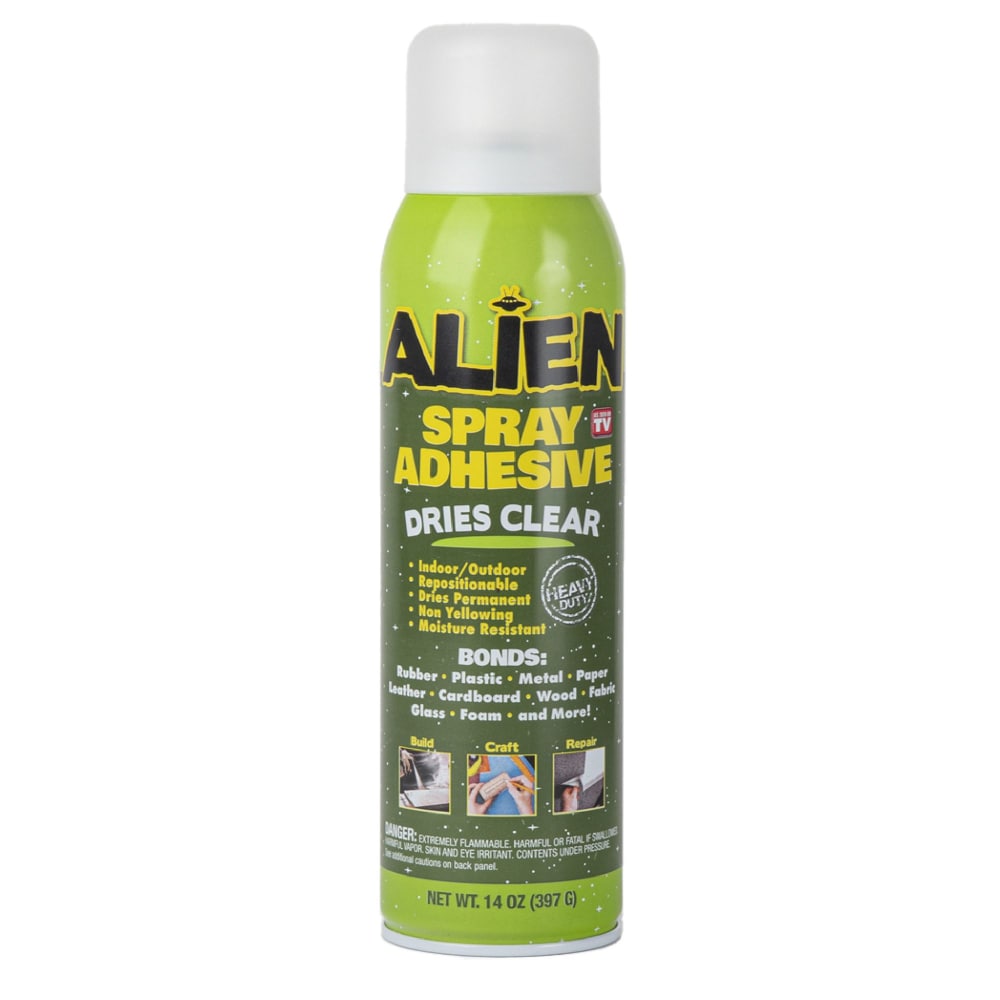
After cleaning and drying the toy completely, apply a thin, even layer of plastic-safe sealant or protectant. Follow the product instructions carefully to avoid buildup or uneven coverage.
Don’t wait until the shine is completely gone—reapplying earlier can extend the life of the seal and keep the surface protected. How often have you found that a little maintenance prevents bigger damage down the road?
Credit: www.ralphs.com
Frequently Asked Questions
How Do I Prepare Plastic Toys Before Sealing?
Clean toys thoroughly with soap and water. Remove dirt and grime. Dry completely to ensure the sealer adheres properly. Sand any rough areas gently for better sealing results.
What Type Of Sealer Is Best For Outdoor Plastic Toys?
Use a clear acrylic spray sealer. It provides UV protection and waterproofing. This type of sealer prevents fading and damage from sun and rain exposure.
How Often Should I Reseal Outdoor Plastic Toys?
Reseal every 6 to 12 months. Check for signs of wear or fading. Regular maintenance keeps toys protected and looking new longer.
Can Sealing Plastic Toys Prevent Color Fading?
Yes, sealing with UV-resistant coatings helps prevent color fading. The sealer blocks harmful UV rays that degrade plastic pigments over time.
Conclusion
Sealing outdoor plastic toys keeps them safe and looking good longer. It stops water, dirt, and sun damage from ruining the toys. Use the right sealant and follow the steps carefully. This protects colors and prevents cracks or fading. Clean the toys first for best results.
Regular sealing helps toys last through all seasons. Easy to do and worth the effort. Keep your kids’ favorite toys strong and bright. Simple care makes a big difference in outdoor fun.