

Remember the joy and laughter those vibrant outdoor toys once brought to your kids? Over time, the sun’s relentless rays might have dulled their colors, leaving them looking tired and neglected.
But don’t worry; you don’t need to say goodbye to those cherished playthings just yet. Imagine reviving their former glory with a few simple tricks, transforming your backyard into a vibrant playground once more. This guide will reveal easy steps to restore faded plastic outdoor toys, turning back the clock on wear and tear.
Ready to bring back the joy and sparkle to your children’s playtime? Let’s dive in and discover how!

Credit: www.amazon.ca
Causes Of Fading In Plastic Toys
Faded plastic outdoor toys don’t just lose their charm—they also become more fragile and less safe to use. Understanding why these toys fade can help you take better care of them and restore their original look. The causes of fading often come down to a few key factors that affect plastic’s color and durability over time.
Sunlight Exposure Effects
Sunlight is one of the biggest enemies of plastic toys. UV rays break down the chemical bonds in plastic, causing colors to fade and surfaces to become brittle.
If you’ve ever noticed your child’s favorite toy turning chalky or dull after a summer of play, that’s the UV damage in action. You can slow this down by storing toys in the shade or using UV-protective sprays.
Impact Of Weather Conditions
Outdoor toys face more than just sunlight. Rain, humidity, and temperature swings also contribute to fading and wear.
Water can seep into tiny cracks, weakening the plastic from inside. Meanwhile, freezing and thawing cycles cause expansion and contraction, which can lead to cracking and color loss.
Have you checked if your toys are dry before putting them away? Moisture left on surfaces speeds up damage.
Material Degradation Over Time
Plastic isn’t designed to last forever. Over time, the pigments and polymers in toys naturally break down.
Older toys often show uneven fading or discoloration, especially in parts exposed to more sunlight or rough handling.
Understanding this gradual breakdown helps you decide when to restore, repair, or replace your outdoor toys to keep playtime safe and colorful.
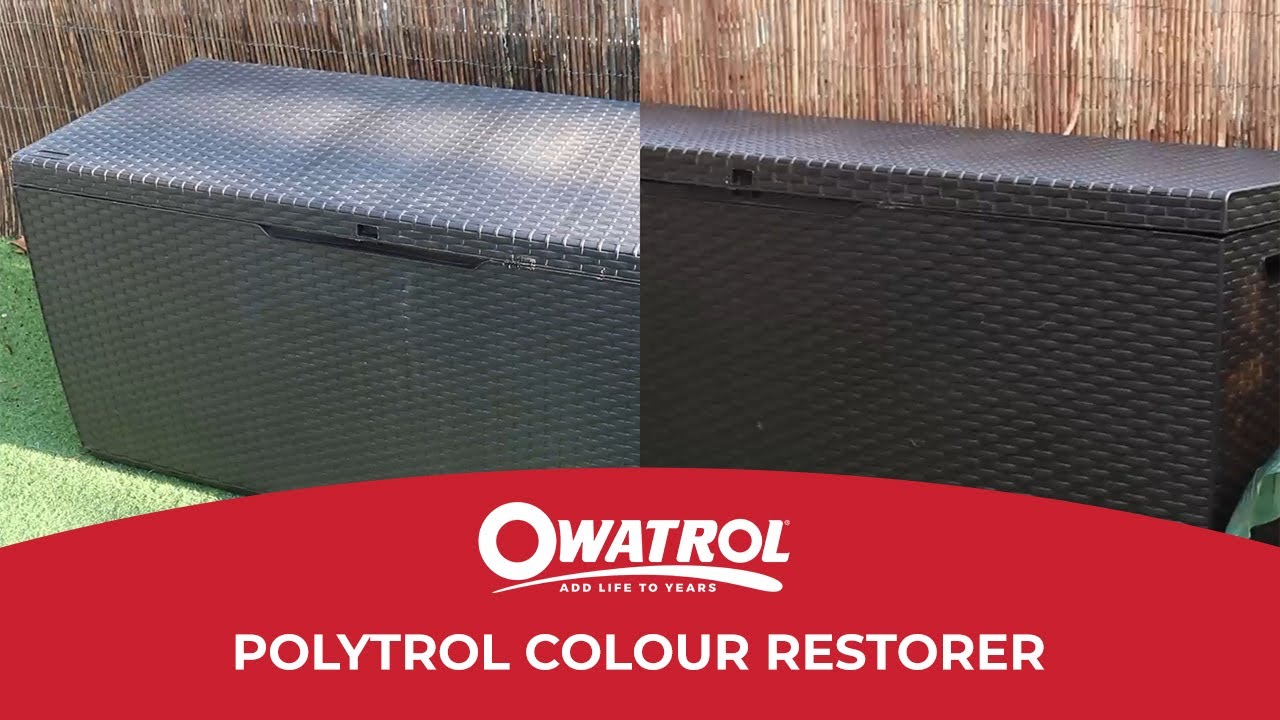
Credit: www.youtube.com
Safe Cleaning Methods
Cleaning your faded plastic outdoor toys doesn’t have to be complicated or harsh. Using safe cleaning methods protects the toys from further damage while bringing back their bright colors. Let’s look at simple ways you can refresh your kids’ favorite playthings without risking harm.
Using Mild Soap And Water
A gentle mix of mild soap and warm water is often all you need to start cleaning plastic toys safely. Use a soft cloth or sponge to avoid scratching the surface.
Dip the cloth in the soapy water and wipe down the toy thoroughly. Rinse with clean water and dry with a towel or let it air dry in the sun.
Have you noticed how even a basic cleaning can brighten faded colors? This approach keeps the plastic intact and removes surface dust and dirt effectively.
Removing Stubborn Dirt And Grime
Sometimes, dirt sticks in crevices or on rough surfaces, making it harder to clean with just soap and water. For these spots, try a soft-bristled toothbrush dipped in the soapy solution.
Gently scrub the tough areas without pressing too hard to avoid scratches. If grime persists, a paste made from baking soda and water can help lift it away.
Apply the paste, let it sit for a few minutes, then scrub softly and rinse off. Have you tried this baking soda trick before? It’s a safe, non-toxic way to tackle grime without chemicals.
Diy Brightening Techniques
Brightening faded plastic outdoor toys can be simple and cost-effective. DIY techniques use common household items to restore colors. These methods clean and brighten plastics without harsh chemicals.
Try these easy treatments to bring life back to your toys. Each option is safe and gentle for plastic surfaces.
Baking Soda And Vinegar Paste
Mix baking soda with white vinegar to form a thick paste. Apply the paste on the toy’s surface using a soft cloth. Let it sit for 15 minutes to loosen dirt and stains. Scrub gently with a brush in circular motions. Rinse thoroughly with water and dry with a towel. This paste helps remove grime and brighten dull plastic naturally.
Hydrogen Peroxide Treatment
Hydrogen peroxide works well to fade yellowing on plastic toys. Pour a small amount into a spray bottle or container. Apply evenly over the affected areas. Leave the toy in sunlight for about 3 to 4 hours. The sun activates the peroxide, lifting stains and restoring whiteness. Rinse the toy with water after treatment and dry it completely.
Lemon Juice Application
Lemon juice contains natural acids that brighten plastic surfaces. Squeeze fresh lemon juice onto the faded parts of the toy. Rub gently with a cloth or sponge to spread the juice. Let the juice sit for 10 to 20 minutes to break down discoloration. Rinse with water and wipe dry. Lemon juice also leaves a fresh, clean scent on the toy.

Credit: www.amazon.ca
Preventing Future Fading
Preventing future fading is key to keeping your outdoor plastic toys looking vibrant and new. Fading happens because of constant exposure to sunlight, moisture, and dirt. Taking a few simple steps can protect your toys and save you time and effort in restoration later.
Proper Storage Tips
Storing toys properly when not in use is the easiest way to avoid fading. Try to keep them in shaded areas or inside a shed, especially during peak sunlight hours. If you don’t have a storage shed, consider using weatherproof bins or covers to shield toys from direct sun and rain.
Have you noticed how some toys left under trees still fade despite the shade? That’s because UV rays can penetrate through leaves. Placing toys in fully enclosed spaces or under solid covers works best to block sunlight completely.
Protective Coatings
Applying a protective coating can add a strong barrier against UV damage. Look for spray-on UV protectants designed for plastics; they’re easy to apply and dry quickly. These coatings help preserve color and prevent the plastic from becoming brittle over time.
Remember to check the label to ensure the product is safe for children’s toys. You can reapply the coating every few months, especially before the sunny season starts, to maintain the protection.
Regular Maintenance Routine
Cleaning your toys regularly removes dirt and grime that can accelerate fading. Use mild soap and water, then rinse thoroughly to avoid residue buildup. Avoid harsh chemicals that might damage the plastic or strip away protective coatings.
Set a schedule—maybe once a month or after heavy use—to inspect and clean your toys. This habit helps you catch early signs of fading or damage and address them before they worsen. How often do you check your toys for wear and tear?
Frequently Asked Questions
How Can I Restore Faded Plastic Outdoor Toys?
Clean toys thoroughly, then use a plastic restorer or heat gun carefully. This revives color and smoothness, making toys look new.
What Household Items Brighten Faded Plastic Toys?
Use baking soda, vinegar, or lemon juice to clean and brighten plastic toys naturally. These items remove grime and enhance color.
Is Sanding Effective For Faded Plastic Toys?
Light sanding removes surface oxidation and roughness, improving appearance. Use fine-grit sandpaper gently to avoid damaging the plastic.
Can Uv Protectants Prevent Toy Fading?
Yes, UV protectants shield plastic toys from sun damage. Applying them regularly helps maintain color and prolong toy life.
Conclusion
Restoring faded plastic outdoor toys takes time and care. Clean the toys well before starting any treatment. Use gentle methods like baking soda or vinegar to brighten colors. Sun damage can be tough, but regular cleaning helps. Keep toys in shade to slow fading.
Small steps bring back much of the original look. Enjoy the toys longer with simple, safe fixes. Your kids will love playing with bright, clean toys again. Try these tips to keep outdoor toys fresh and fun.